Women’s Golden Goose Shoes: The Surprisingly Worth It Sneaker You Need in 2026

Introduction
You have probably seen them on Instagram, on the feet of your most stylish friend, or in the window of a boutique that made you do a double take. Women’s Golden Goose shoes have this magnetic pull that is hard to explain until you actually own a pair.
They are scuffed. They are distressed. They cost hundreds of dollars. And somehow, they are one of the most coveted sneakers in fashion right now.
If you are sitting there wondering whether Golden Goose shoes are worth the hype, you are not alone. I had the same question. This article walks you through everything: the history behind the brand, the most popular styles for women, how they fit, how to style them, where to buy authentic pairs, and whether the price tag is actually justified.
By the end, you will know exactly whether these are the right shoe for you.
What Exactly Are Golden Goose Shoes?
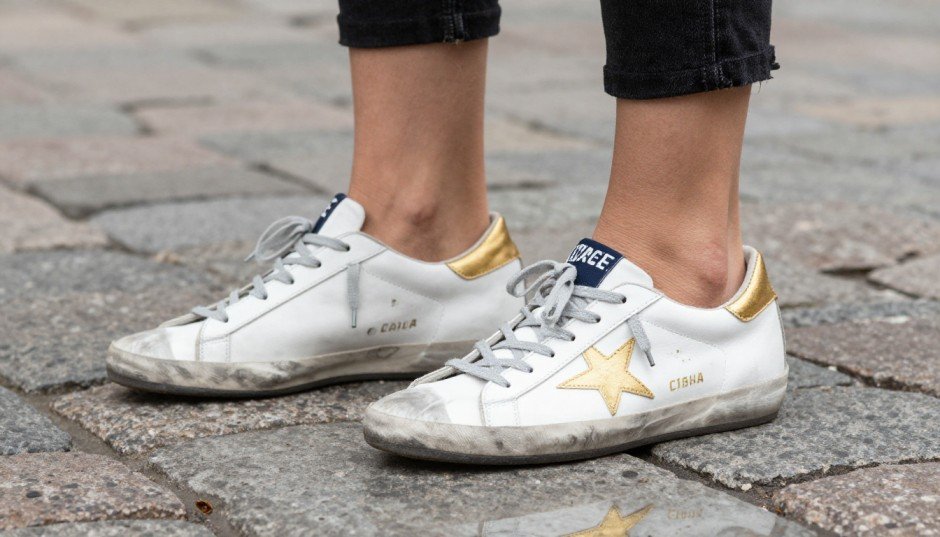
Golden Goose is an Italian luxury sneaker brand founded in Venice in 2000 by Francesca Rinaldo and Alessandro Gallo. The brand built its entire identity around one bold idea: sneakers that look lived-in right out of the box.
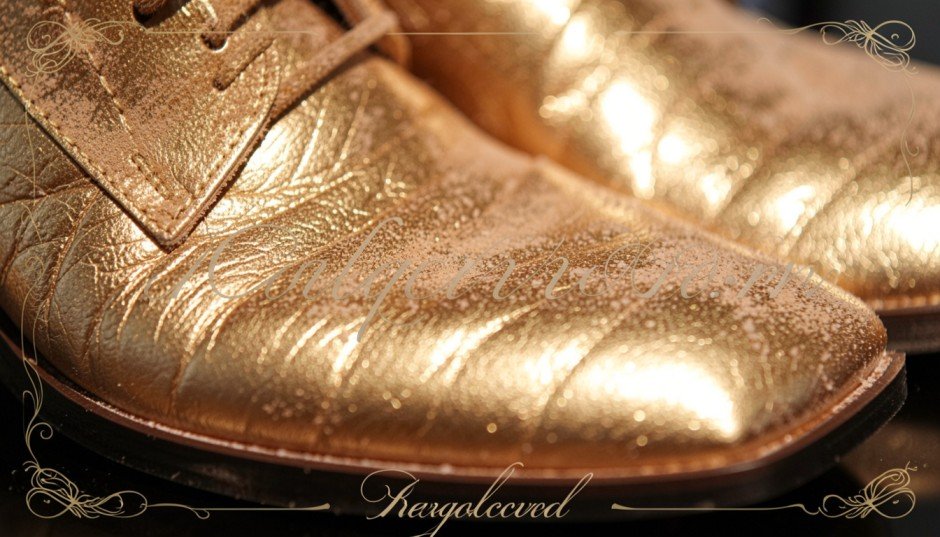
Every pair comes pre-distressed. That means intentional scuffs, worn-down soles, and a vintage feel that most brands would consider a defect. Golden Goose turned that defect into a design statement.
The brand sits firmly in the luxury sneaker category. Most styles for women range from $500 to $600, with limited editions climbing higher. That price point surprises a lot of people. But once you understand the craftsmanship behind each pair, it starts to make more sense.
Golden Goose produces its shoes in Italy using premium materials like full-grain leather, suede, and glitter canvas. The construction is meticulous. The distressing is done by hand on each individual shoe.
The Most Popular Women’s Golden Goose Shoe Styles
The Super-Star: The Style That Started Everything
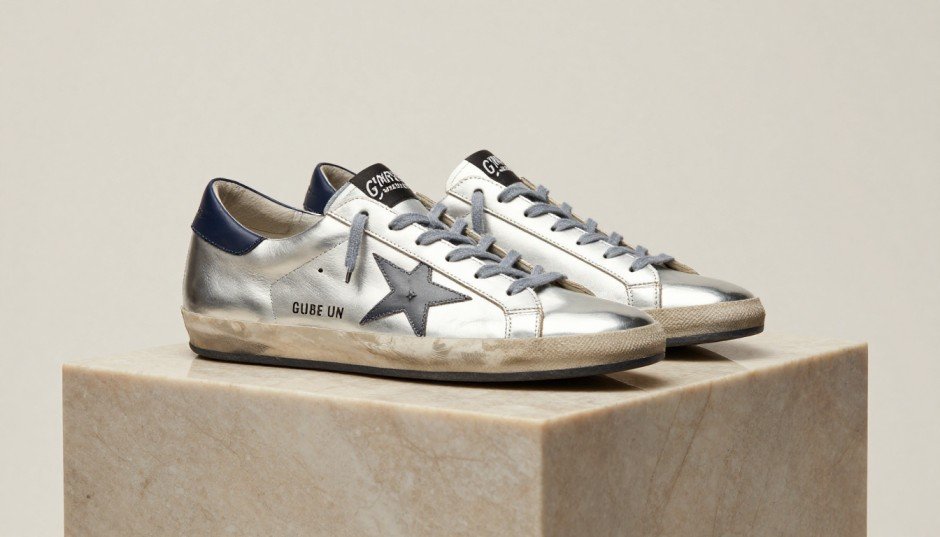
The Super-Star is the original Golden Goose silhouette and still the most recognizable. It features the signature side star logo, a low-top cut, and that classic Italian craftsmanship you feel the moment you put it on.
The Super-Star comes in dozens of colorways every season. You can find clean white leather versions, bold metallic options, and everything in between. It pairs effortlessly with jeans, dresses, tailored trousers, or casual weekend fits.
If you want to start your Golden Goose collection with one pair, this is the one to buy.
The Ball Star
The Ball Star looks almost identical to the Super-Star at first glance. The key difference is in the star detail: on the Ball Star, the star is perforated rather than applied. It gives the shoe a slightly sportier, more understated look.
Women who want the Golden Goose aesthetic without the bold branding often gravitate toward the Ball Star. It is a quieter shoe that still carries all the luxury quality.
The Slide
The Slide is exactly what it sounds like: a slip-on sneaker. It has no laces and a simple, clean silhouette. Women love it for its effortless styling and ease of wear.
The Slide works beautifully with wide-leg trousers, midi skirts, and casual jeans. It is slightly more relaxed than the Super-Star but carries the same Italian craftsmanship.
The Running Sole
The Running Sole is a newer addition to the Golden Goose lineup. It features a chunkier athletic sole paired with the brand’s signature premium leather upper. It leans more into the sporty-luxury look that has dominated fashion in recent years.
If you love the dad sneaker aesthetic but want something elevated, the Running Sole is your answer.
The Hi Star
The Hi Star is the high-top version of the Super-Star. It offers more ankle coverage and a slightly edgier silhouette. Women who lean toward streetwear-inspired outfits tend to love this style.
The Hi Star pairs well with straight-leg jeans, leather trousers, and oversized blazers.
How Do Women’s Golden Goose Shoes Fit?
Sizing is one of the most common questions people ask before buying Golden Goose. Here is what you need to know.
They run true to size. Most women find their regular size works perfectly. If you are between sizes, most style guides recommend sizing up by half a size for the best fit.
The toe box is roomy but not sloppy. The shoe feels snug through the midfoot and heel. Most women report they need very little break-in time, which is impressive for a leather sneaker at this price.
Golden Goose uses European sizing. Here is a quick reference chart for women:
| EU Size | US Size | UK Size |
|---|---|---|
| 35 | 5 | 3 |
| 36 | 6 | 4 |
| 37 | 7 | 5 |
| 38 | 8 | 6 |
| 39 | 9 | 7 |
| 40 | 10 | 8 |
| 41 | 11 | 9 |
If you buy from a retailer that carries both US and EU sizing, always double-check the conversion before adding to your cart.
Are Women’s Golden Goose Shoes Worth the Price?
This is the question everyone wants answered honestly. Let me give you a real answer.
Yes, for the right buyer.
Here is why the price makes sense for some women:
Quality of materials. Golden Goose uses full-grain Italian leather, suede, and other premium materials. These materials age beautifully and last for years with proper care. Many women report wearing their pairs for five or more years without any structural issues.
Made in Italy. Every pair is handmade in Italy. The labor cost alone justifies a premium over mass-produced sneakers.
Resale value. Golden Goose sneakers hold their value well. Limited edition styles and popular colorways often sell on the resale market at or above their original retail price.
The “effortless” aesthetic. If your personal style centers on that collected, well-traveled, thrown-together-but-chic look, Golden Goose delivers it immediately. You do not need to style around these shoes. They just work.
Where the value argument gets complicated: If you are someone who prefers pristine, clean sneakers, Golden Goose is not for you. The pre-distressed look is a very specific aesthetic. You are partly paying for that design philosophy. If it does not resonate with you, the price will feel unjustifiable.
How to Style Women’s Golden Goose Shoes
One of the reasons these sneakers have stayed so popular is their incredible versatility. You can dress them up or down with almost no effort.
Casual Everyday Looks
Pair your Super-Stars with:
- Straight-leg or wide-leg jeans and a white tee
- Cropped sweatpants and an oversized hoodie
- Linen shorts and a tucked-in button-down shirt
The distressed, relaxed look of the shoe makes it a natural fit for casual outfits. It adds just enough polish without trying too hard.
Smart Casual and Dressed-Up Looks
This is where Golden Goose shoes really stand out from other sneakers. They work with:
- Midi skirts and blazers
- Tailored trousers and silk blouses
- Slip dresses with denim jackets
The luxury materials and Italian silhouette elevate any outfit. Fashion editors and stylists love them precisely because they bridge the gap between casual and dressy.
Seasonal Styling Tips
In spring and summer, lean into white and metallic colorways. They feel bright and fresh with floral dresses and linen separates.
In fall and winter, earth tones, suede versions, and darker colorways work beautifully with chunky knits, coats, and leather trousers.
How to Care for Your Golden Goose Shoes
Golden Goose shoes are investment pieces. Taking care of them properly extends their life significantly.
Leather styles:
- Use a leather conditioner every few months to prevent cracking
- Wipe down with a damp cloth after wearing in wet conditions
- Store with shoe trees to maintain shape
Suede styles:
- Spray with a suede protector before first wear
- Use a suede brush to lift the nap after wear
- Avoid wearing in heavy rain
The star logo:
- Clean gently with a soft damp cloth
- Do not scrub aggressively as this can lift the star detail
What about the intentional distressing? You do not need to worry about preserving the “perfect” look because there is no perfect look to preserve. The scuffs and worn areas are features. They will naturally develop further with wear, which most Golden Goose owners consider part of the shoe’s charm.
Where to Buy Authentic Women’s Golden Goose Shoes
Buying from an authorized retailer protects you from counterfeit products. Here are the safest options:
Golden Goose official website. The best selection, all current styles, and guaranteed authenticity. They also offer personalization services where you can customize your pair.
Luxury department stores. Nordstrom, Saks Fifth Avenue, Neiman Marcus, and Bergdorf Goodman all carry Golden Goose. Buying through these retailers also gives you access to returns policies and customer service.
SSENSE, Farfetch, and MyTheresa. These luxury multi-brand retailers carry an excellent selection and ship internationally.
Resale platforms. The RealReal, Vestiaire Collective, and StockX are reliable platforms for authenticated pre-owned or rare Golden Goose styles. Prices vary but you can sometimes find discontinued colorways.
What to avoid: Random websites offering Golden Goose shoes at suspiciously low prices. Authentic Golden Goose shoes do not go on sale by 40 to 70 percent on unknown websites. If a deal looks too good to be true, it almost always is.
Golden Goose vs. Other Luxury Sneakers for Women
How does Golden Goose stack up against other popular luxury sneaker brands?
Golden Goose vs. Common Projects Common Projects offers a cleaner, more minimal aesthetic. They are less distressed and appeal to women who prefer understated luxury. Price points are similar. If you want the quiet logo look, Common Projects is a strong alternative.
Golden Goose vs. New Balance 574 Luxury Editions New Balance collaborations and premium editions offer athletic comfort at a lower price. They lack the Italian craftsmanship and hand-finishing of Golden Goose but bring excellent cushioning.
Golden Goose vs. Veja Veja is a sustainable sneaker brand with a significantly lower price point. If you prioritize sustainability and value over heritage craftsmanship, Veja is worth considering.
The honest comparison: Golden Goose occupies a very specific lane. No other brand makes quite the same shoe. The pre-distressed Italian leather sneaker with that side star is a Golden Goose signature. If that is the look you want, there is really no substitute.
Common Questions Women Ask Before Buying Golden Goose
Do Golden Goose shoes hurt your feet?
Most women find them comfortable right away. The leather upper molds to your foot over time. The insole offers moderate cushioning. If you plan to wear them for long distances, adding a cushioned insole is worth considering.
Can I wear Golden Goose shoes in the rain?
Leather styles can handle light rain but you should dry them carefully afterward and condition the leather. Suede styles should stay dry whenever possible.
Do Golden Goose shoes go on sale?
Rarely through authorized retailers. You may find occasional discounts at department stores during major sales periods, but significant discounts on full-price styles are uncommon.
Conclusion
Women’s Golden Goose shoes occupy a rare space in fashion: they are genuinely worth what they cost for the right buyer. The Italian craftsmanship, premium materials, and instantly versatile aesthetic make them a long-term wardrobe investment rather than a trendy impulse buy.
If you love effortless, elevated style, if you appreciate quality that lasts years rather than seasons, and if you can embrace the unconventional beauty of a perfectly imperfect sneaker, Golden Goose is likely to become your most-reached-for pair.
The Super-Star is the safest starting point. From there, the Ball Star, the Slide, and the Running Sole all offer their own take on the same Italian luxury philosophy.
Which style speaks to you most? Drop your thoughts in the comments or share this with a friend who has been debating their first pair.
FAQs: Women’s Golden Goose Shoes
1. Are women’s Golden Goose shoes true to size? Yes. Most women find their regular size works well. If you are between sizes, size up by half.
2. Why are Golden Goose shoes already scuffed when you buy them? The distressed look is intentional. Golden Goose hand-distresses every pair as part of their design philosophy. It is a signature aesthetic, not a defect.
3. What is the most popular women’s Golden Goose style? The Super-Star is the most iconic and best-selling style. It is the most versatile and the best starting point for first-time buyers.
4. How long do Golden Goose shoes last? With proper care, most women wear them for five years or more. The full-grain leather holds up very well over time.
5. Can I clean Golden Goose leather sneakers at home? Yes. Use a damp cloth for the leather upper, a suede brush for suede styles, and a leather conditioner every few months. Avoid harsh cleaners.
6. Are Golden Goose shoes worth the price? For buyers who value Italian craftsmanship, premium materials, and a relaxed-luxury aesthetic, yes. For those who prefer clean or pristine sneakers, the price may not feel justified.
7. Where is the best place to buy authentic women’s Golden Goose shoes? The Golden Goose official website, Nordstrom, Saks Fifth Avenue, and luxury e-tailers like Farfetch and SSENSE are all reliable options.
8. Do Golden Goose shoes stretch? Leather styles do mold slightly to your foot over time, giving a more personalized fit. They do not stretch dramatically but they do soften and adapt with wear.
9. Can I return Golden Goose shoes if they do not fit? Return policies vary by retailer. The official Golden Goose website and major department stores typically offer returns within 30 days for unworn shoes.
10. Are Golden Goose shoes made in Italy? Yes. Every pair is designed and handcrafted in Italy. Italian manufacturing is central to the brand’s identity and one of the key reasons for the premium price point.
About the Author
Sarah Mellows is a fashion writer and stylist with over eight years of experience covering luxury footwear, wardrobe investment pieces, and personal style. She has contributed to several leading fashion publications and writes regularly about the intersection of quality craftsmanship and everyday style. When she is not writing, she is hunting for the perfect vintage leather jacket or testing whether her Golden Gooses can survive a cobblestone weekend in Europe.
Also read reflectionverse.com
Email: johanharwen314@gmail.com
Author Name: Johan Harwen