

Introduction
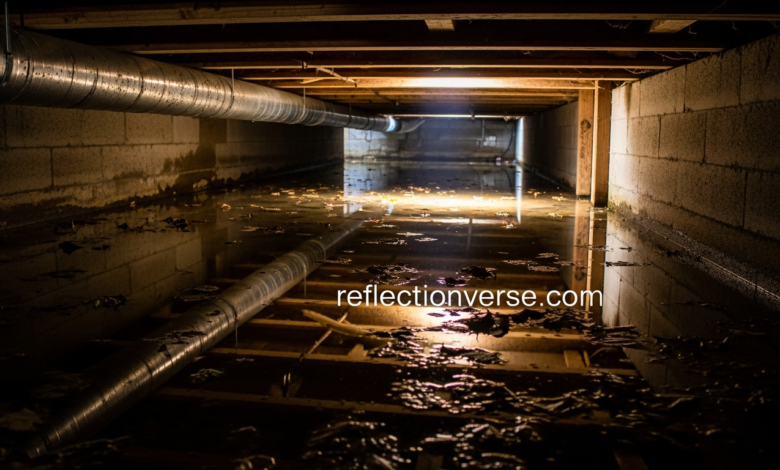
You walk past that small access door in your hallway every single day. You know the one—it leads to your crawl space. Most homeowners rarely think about what’s happening beneath their floors until something goes wrong. Then one day, you notice a musty smell. Your floors feel slightly damp. You finally peek inside with a flashlight and discover standing water pooling under your house.
Water in crawl space isn’t just an inconvenience. It’s a serious problem that can compromise your home’s structural integrity, create health hazards, and cost thousands in repairs if left unchecked. Whether you’re dealing with minor moisture or several inches of standing water, understanding the causes and solutions is critical for protecting your investment.
This article walks you through everything you need to know. You’ll learn why water accumulates in crawl spaces, what damage it causes, how to identify the problem early, and most importantly, how to fix it and prevent future issues.
What Causes Water in Crawl Space Areas?
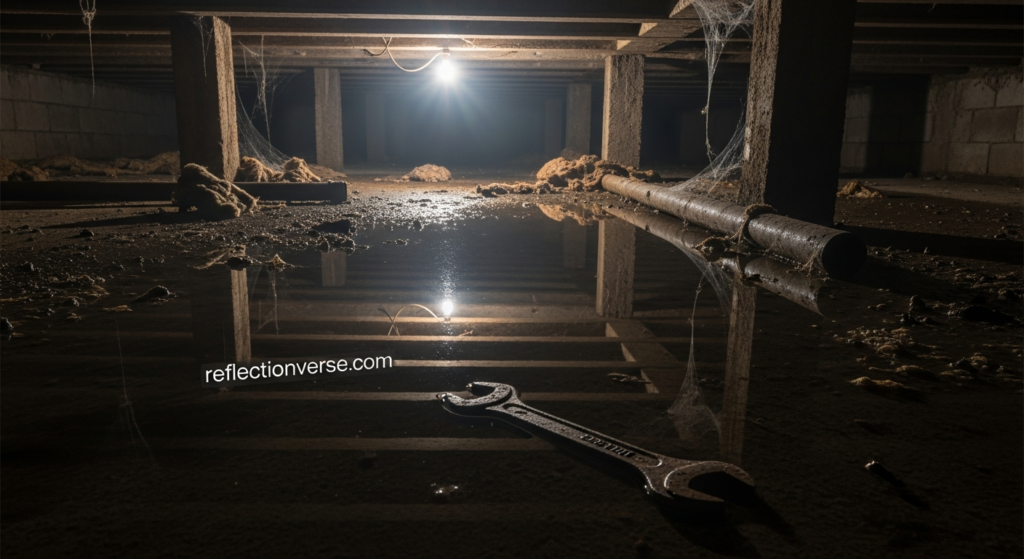
Understanding the root cause is your first step toward solving the problem. Water doesn’t just appear randomly under your home. Several factors contribute to moisture accumulation, and often multiple issues combine to create the perfect storm.
Poor Drainage and Grading Issues
The land around your foundation plays a huge role. If your yard slopes toward your house instead of away from it, rainwater naturally flows directly to your foundation. This water then seeps through cracks, gaps, and porous concrete into your crawl space.
Many homes built decades ago didn’t prioritize proper grading. Construction crews sometimes backfilled around foundations without ensuring adequate slope. Over time, soil settles and changes the grade even further. You might notice water pools forming near your foundation after heavy rain. That’s a clear warning sign.
Groundwater and High Water Tables
Some properties simply deal with naturally high water tables. During wet seasons or in areas with poor soil drainage, groundwater rises closer to the surface. When the water table sits above your crawl space floor level, hydrostatic pressure forces moisture through the foundation walls and floor.
You can’t control Mother Nature. However, you can implement systems to manage this groundwater effectively. Understanding your property’s water table is essential for choosing the right solution.
Plumbing Leaks and Pipe Problems
Sometimes the water source is much simpler. A leaking pipe, faulty connection, or broken water line can dump gallons of water into your crawl space daily. These leaks often go unnoticed for months because you can’t easily see the pipes running beneath your floor.
Supply lines, drain pipes, and even HVAC condensate lines pass through many crawl spaces. Any of these can develop leaks. Regular inspections help catch these problems early before they cause significant damage.
Foundation Cracks and Structural Gaps
Your foundation isn’t completely waterproof. Concrete is porous and develops cracks over time as your house settles. These cracks provide easy entry points for water. Even small hairline cracks can allow moisture to seep through during heavy rainfall.
Settlement cracks, shrinkage cracks, and structural cracks all behave differently. Some are cosmetic while others indicate serious foundation problems. Any crack that allows water entry needs attention regardless of its cause.
Missing or Damaged Vapor Barriers
Many older homes lack proper vapor barriers in their crawl spaces. A vapor barrier is simply a thick plastic sheet that covers the crawl space floor. It prevents ground moisture from evaporating into the air above.
Without this barrier, moisture constantly rises from the soil. Even if you don’t see standing water, this humidity creates the same problems. The barrier might also be damaged, torn, or improperly installed, rendering it ineffective.
The Serious Dangers of Crawl Space Water
Ignoring moisture problems under your house leads to consequences far beyond wet dirt. The damage spreads gradually but relentlessly, affecting your home’s structure, your health, and your wallet.
Structural Damage and Foundation Problems
Water attacks the very bones of your house. Wooden floor joists, beams, and support posts absorb moisture like sponges. This constant dampness causes wood rot, which weakens these critical structural elements.
We’ve seen homes where support beams literally crumbled when touched. The wood looked solid from the outside but was completely deteriorated inside. Replacing rotted floor joists costs thousands of dollars. In severe cases, you’ll notice sagging floors, bouncy spots, or gaps between walls and floors upstairs.
Foundation damage also accelerates with persistent moisture. The wet-dry cycle causes concrete to crack and deteriorate. Metal support posts rust through. The entire foundation can shift and settle unevenly.
Mold and Mildew Growth
Mold loves dark, damp spaces. Your crawl space becomes a perfect breeding ground when water is present. Mold spores multiply rapidly in these conditions, forming colonies on wood, insulation, and any organic material.
The mold doesn’t stay confined to the crawl space. Air naturally flows upward through your home in what’s called the “stack effect.” This means approximately 40 to 50 percent of the air you breathe upstairs originated in your crawl space. Mold spores, musty odors, and allergens all travel with this air.
Health effects range from minor allergies to serious respiratory problems. People with asthma, allergies, or weakened immune systems are especially vulnerable. You might notice increased coughing, sneezing, headaches, or respiratory irritation.
Pest Infestations
Standing water attracts unwanted visitors. Termites need moisture to survive and thrive in damp crawl spaces. Carpenter ants, beetles, and other wood-destroying insects also prefer wet environments. These pests cause additional structural damage beyond what water alone creates.
Rodents like rats and mice seek out crawl spaces for shelter. They’re particularly drawn to areas with water sources. These animals carry diseases, leave droppings, and can chew through electrical wiring, creating fire hazards.
Increased Energy Costs
Wet insulation is useless insulation. When fiberglass batts absorb moisture, they compress and lose their insulating value. Some insulation becomes so waterlogged it falls right out of the floor joists.
Your HVAC system works harder to heat and cool your home. The excess humidity also makes your air conditioner run longer to remove moisture from the air. You’ll notice higher electricity and gas bills without understanding why.
Decreased Property Value
Water damage scares potential buyers. Home inspectors always check crawl spaces carefully. Evidence of current or past water problems raises immediate red flags. Many buyers will walk away completely or demand significant price reductions.
If you plan to sell your home eventually, addressing water problems now protects your investment. Proper documentation of repairs and preventive measures actually increases buyer confidence.
How to Identify Water in Your Crawl Space
You don’t need to wait for obvious flooding to take action. Several warning signs indicate moisture problems developing beneath your home. Regular monitoring helps you catch issues early when repairs are simpler and cheaper.
Visual Inspection Signs
Grab a flashlight and take a look inside your crawl space if it’s safely accessible. Look for obvious standing water or damp soil. Check whether the dirt appears consistently wet or has water stains. Examine the foundation walls for moisture, water lines, or efflorescence (white, chalky deposits that indicate water seepage).
Inspect wooden beams and floor joists for signs of rot. Soft, spongy wood that crumbles easily is deteriorated. Look for mold growth, which appears as black, green, or white patches on wood, insulation, or plastic. Check whether any insulation has fallen down or appears compressed and wet.
Smell and Indoor Air Quality
Your nose knows. A musty, earthy, or moldy smell in your home often originates from crawl space moisture. This odor might be subtle at first but grows stronger over time. You’ll notice it especially in rooms directly above the crawl space.
If family members experience unexplained respiratory issues, allergies, or asthma flare-ups, poor air quality from below might be the culprit. These health symptoms don’t definitively prove water problems, but they warrant investigation when combined with other signs.
Physical Home Indicators
Your home tells you when something’s wrong underneath. Warped, cupped, or buckling hardwood floors often result from moisture coming up through the subfloor. You might notice that floors feel unusually cold or slightly damp. Increased condensation on windows, especially in rooms above the crawl space, indicates high humidity levels.
Check for gaps between baseboards and walls or floors. Look at doors and windows to see if they’re sticking or becoming difficult to open. These issues suggest foundation movement, which water often causes. Visible cracks in interior drywall, especially above doors and windows, can indicate foundation settlement.
Using Moisture Meters and Humidity Monitors
Professional tools provide objective measurements. Moisture meters measure the water content in wood and other materials. Readings above 20 percent indicate problematic moisture levels. You can purchase basic moisture meters for under fifty dollars at hardware stores.
Hygrometers measure relative humidity in the air. Place one in your crawl space and check it regularly. Humidity levels above 60 percent create conditions where mold can grow. Ideal crawl space humidity stays below 55 percent year-round.
Effective Solutions for Water in Crawl Space
Solving water problems requires addressing both existing water and preventing future accumulation. Most effective approaches combine several methods tailored to your specific situation. DIY fixes work for minor issues, but severe problems need professional help.
Improve Exterior Drainage
Start outside before working inside. Extending your downspouts carries roof water at least six to ten feet away from your foundation. Many homeowners underestimate how much water flows off their roof during storms. That concentrated flow can dump hundreds of gallons right next to your foundation.
Regrade your yard so soil slopes away from the house. The ground should drop at least six inches over the first ten feet. This simple step prevents most surface water from reaching your foundation. You might need to add soil in some areas and remove it in others.
French drains installed around your foundation intercept groundwater before it reaches your crawl space. These trenches filled with gravel and perforated pipe collect and redirect water. They work particularly well on properties with naturally high water tables or poor soil drainage.
Install or Repair Vapor Barriers
A proper vapor barrier is non-negotiable for crawl space moisture control. Use thick plastic sheeting, at least six mils and preferably ten to twenty mils thick. This durable material resists tears and punctures better than thin plastic.
Cover the entire crawl space floor, overlapping seams by at least twelve inches. Tape seams with special vapor barrier tape. Extend the barrier up foundation walls and secure it with mechanical fasteners. Pay special attention to corners and around support posts where gaps commonly occur.
Remove any existing damaged vapor barrier first. Clean the area of debris and level the soil somewhat. The investment in proper installation pays off through dramatically reduced humidity levels.
Sump Pump Installation
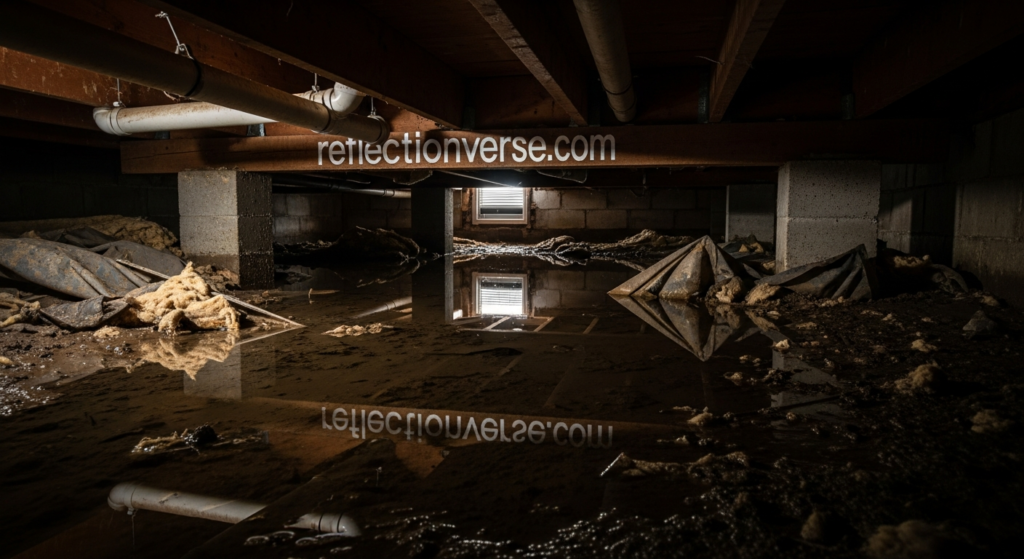
Sump pumps actively remove water from your crawl space. A contractor digs a pit at the lowest point in your crawl space and installs a basin. When water collects in the basin, the pump automatically turns on and pushes water outside through a discharge pipe.
Battery backup systems keep your pump running during power outages. This feature is critical because storms that cause flooding often knock out electricity. A failed sump pump during a major storm can lead to catastrophic water accumulation.
Check your sump pump regularly by pouring water into the pit. Listen for the pump to activate and verify water discharges properly outside. Clean the pit annually and consider professional servicing every two to three years.
Encapsulation Systems
Crawl space encapsulation represents the gold standard for moisture control. This comprehensive approach seals your entire crawl space from the ground using heavy-duty vapor barriers on floors and walls. Contractors seal all vents, install dehumidifiers, and often add insulation to foundation walls instead of floor joists.
Encapsulation creates a controlled environment under your home. Humidity stays low year-round regardless of outside conditions. While expensive initially, encapsulation provides superior protection and can reduce energy costs significantly.
Dehumidification
Even after removing standing water and installing vapor barriers, you need to control humidity. Crawl space dehumidifiers designed for these specific conditions run continuously to maintain target humidity levels. They’re more robust than household dehumidifiers and handle the harsher environment.
Set your dehumidifier to maintain humidity below 55 percent. These units drain automatically through hoses connected to your sump pump or exterior drainage. They pay for themselves through preventing mold growth and protecting your home’s structure.
Fix Foundation Cracks and Leaks
Sealing foundation cracks prevents water entry. Small cracks can be filled with hydraulic cement or epoxy injection. These materials expand as they cure, creating watertight seals. Larger structural cracks might require professional assessment and repair using carbon fiber reinforcement or other methods.
Address any gaps where pipes, utilities, or vents penetrate your foundation. Use expanding foam or hydraulic cement around these penetrations. Even small gaps allow water entry during heavy rain or flooding.
Preventing Future Water Problems
Once you’ve solved existing water issues, prevention becomes your focus. Regular maintenance and monitoring cost far less than major repairs. Building good habits protects your investment long-term.
Regular Inspections
Schedule crawl space inspections at least twice yearly, ideally in spring and fall. Look for new water intrusion signs, check that vapor barriers remain intact, and verify dehumidifiers and sump pumps operate correctly. Catching small problems early prevents them from becoming expensive disasters.
Professional inspections every few years provide expert assessment. Contractors notice subtle issues homeowners might miss. They can test humidity levels, check structural components, and recommend preventive measures.
Maintain Gutters and Downspouts
Clean gutters at least twice yearly, more often if you have trees near your home. Clogged gutters overflow during storms, dumping water right next to your foundation. This defeats even the best drainage systems.
Inspect downspouts to ensure they remain securely attached and properly positioned. Make sure extensions haven’t shifted or been removed. These simple maintenance tasks prevent thousands of gallons of water from threatening your foundation.
Landscape Thoughtfully
Keep plants, shrubs, and trees at appropriate distances from your foundation. Roots can crack foundation walls and pipes. Heavy vegetation near the house also prevents soil from drying after rain.
Use mulch sparingly near your foundation. While mulch looks attractive, thick layers hold moisture against your foundation walls. Keep mulch at least six inches away from the foundation and limit depth to two or three inches.
Monitor for Changes
Pay attention to how your property behaves during and after rain. Where does water flow? Do any new puddles form near your foundation? Are gutters overflowing anywhere? Observing these patterns helps you identify problems before they affect your crawl space.
Notice changes inside your home too. New musty smells, increased humidity, or floor problems all warrant immediate investigation. The sooner you respond, the easier and cheaper the fix.
When to Call Professionals
DIY approaches work well for minor moisture issues and preventive maintenance. However, some situations absolutely require professional expertise. Knowing when to call for help prevents you from making problems worse or risking your safety.
Severe Water Accumulation
If you have several inches of standing water or recurring flooding, professional help is essential. Contractors have industrial pumps and proper equipment to remove large water volumes safely. They’ll also identify the source and implement permanent solutions.
Structural Concerns
Never attempt DIY repairs on structural components. If you see sagging floor joists, cracked foundation walls, or deteriorated support beams, call a structural engineer or foundation specialist immediately. These problems require professional assessment and certified repairs.
Mold Remediation
Extensive mold growth needs professional remediation. Small patches of surface mold can be cleaned safely with proper precautions. However, large mold colonies require specialized equipment, protective gear, and proper disposal methods. Disturbing mold without proper containment spreads spores throughout your home.
Electrical Issues
If water has reached electrical components, outlets, or wiring in your crawl space, hire an electrician before doing anything else. Water and electricity create deadly hazards. Only licensed electricians should work on wet or water-damaged electrical systems.
Understanding the Costs
Budgeting for water remediation varies tremendously based on severity and chosen solutions. Understanding typical costs helps you plan financially and evaluate contractor estimates.
Minor drainage improvements like extending downspouts and regrading might cost five hundred to two thousand dollars. Installing or replacing vapor barriers typically runs one thousand to three thousand dollars depending on crawl space size.
Sump pump installation ranges from eight hundred to two thousand dollars for basic systems. Battery backup and advanced features increase costs. Crawl space dehumidifiers cost five hundred to one thousand dollars initially, plus ongoing electricity costs.
Full crawl space encapsulation represents the biggest investment at five thousand to fifteen thousand dollars or more. This comprehensive solution includes vapor barriers, dehumidification, insulation, and sealing all vents and access points.
Foundation repair costs vary wildly. Simple crack sealing might cost a few hundred dollars. Major foundation repairs can exceed ten thousand dollars. Structural repairs to floor joists or beams typically cost three thousand to eight thousand dollars depending on extent of damage.
Remember that prevention costs far less than repair. Spending money on proper drainage and moisture control now prevents structural damage that costs exponentially more to fix later.
Conclusion
Water in crawl space problems won’t resolve themselves. They only worsen with time, creating increasingly serious and expensive damage. Understanding the causes, recognizing warning signs early, and implementing effective solutions protects your home’s structural integrity and your family’s health.
The good news is that these problems are solvable. Whether you need simple drainage improvements or comprehensive encapsulation, solutions exist for every situation and budget. Start by inspecting your crawl space and exterior drainage. Address obvious problems immediately and develop a maintenance schedule to prevent future issues.
Your home is likely your largest investment. Protecting it from water damage beneath makes financial sense beyond avoiding repairs. You’ll enjoy improved air quality, lower energy bills, and peace of mind knowing your foundation remains dry and secure.
Have you checked your crawl space lately? What water problems have you encountered, and how did you solve them? Taking action today prevents tomorrow’s disasters.
Frequently Asked Questions
How do I know if I have water in my crawl space?
Check for musty odors in your home, especially in rooms above the crawl space. Look for visible mold, sagging floors, or increased humidity indoors. If accessible, inspect the crawl space directly with a flashlight for standing water, damp soil, or moisture on foundation walls.
Can I just ignore a small amount of water in my crawl space?
No, even minor moisture creates serious long-term problems. Small amounts of water increase humidity, promote mold growth, and begin deteriorating wood structural components. Address moisture issues immediately before they escalate into expensive structural repairs.
How much does it cost to fix water problems in a crawl space?
Costs range from a few hundred dollars for simple fixes like extending downspouts to fifteen thousand dollars or more for comprehensive encapsulation. Most homeowners spend between three thousand and eight thousand dollars for professional moisture remediation including vapor barriers, drainage, and dehumidification.
Should I use a regular dehumidifier in my crawl space?
No, household dehumidifiers aren’t designed for crawl space conditions. Use commercial-grade crawl space dehumidifiers specifically built for harsh environments, continuous operation, and automatic drainage. These units handle the temperature extremes and humidity levels found in crawl spaces.
Will a vapor barrier alone solve my water problems?
Vapor barriers prevent ground moisture from evaporating into the crawl space but don’t stop actual water intrusion. You also need proper exterior drainage, sealed foundation cracks, and possibly a sump pump depending on your water source. Effective solutions usually combine multiple approaches.
How often should I inspect my crawl space?
Inspect your crawl space at least twice yearly, preferably in spring and fall. Also check after major storms or if you notice any warning signs like musty odors or floor problems. Regular monitoring catches small issues before they become major problems.
Can water in my crawl space make me sick?
Yes, mold and mildew growing in damp crawl spaces release spores and allergens that circulate into your home. These contaminants trigger allergies, asthma, respiratory problems, and other health issues, especially in children and people with compromised immune systems.
Is crawl space encapsulation worth the investment?
For homes with recurring moisture problems, encapsulation provides the most comprehensive long-term solution. While expensive initially, it protects structural components, improves air quality, reduces energy costs, and increases property value. The investment typically pays for itself over time.
What’s the difference between a sump pump and a dehumidifier?
Sump pumps remove standing water by pumping it outside when water collects in a basin. Dehumidifiers remove moisture from the air through condensation. Most effective moisture control systems use both: sump pumps for actual water and dehumidifiers for humidity control.
Can I install a vapor barrier myself?
Handy homeowners can install basic vapor barriers as a DIY project. However, proper installation requires careful attention to overlaps, sealing, and securing the barrier. Professional installation ensures comprehensive coverage and proper integration with other moisture control systems for best results.
Also read reflectionverse.com
