

Introduction
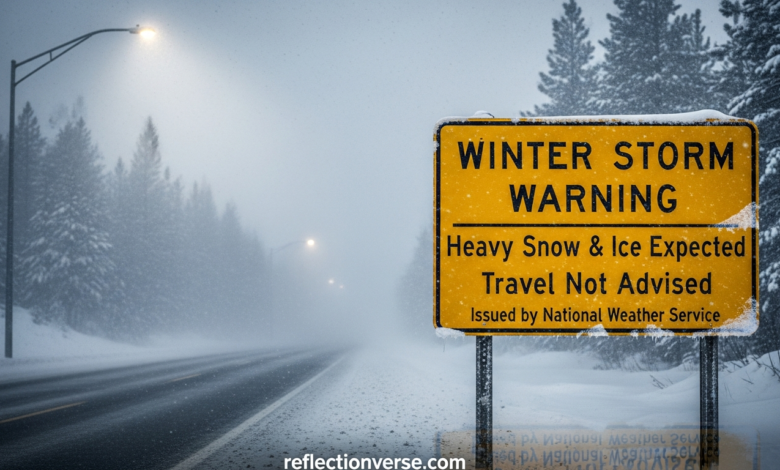
The National Weather Service just issued a winter storm warning for your region. Your phone buzzes with the alert, and suddenly you’re wondering what exactly that means and whether you should be worried. Trust me, this isn’t something to brush off.
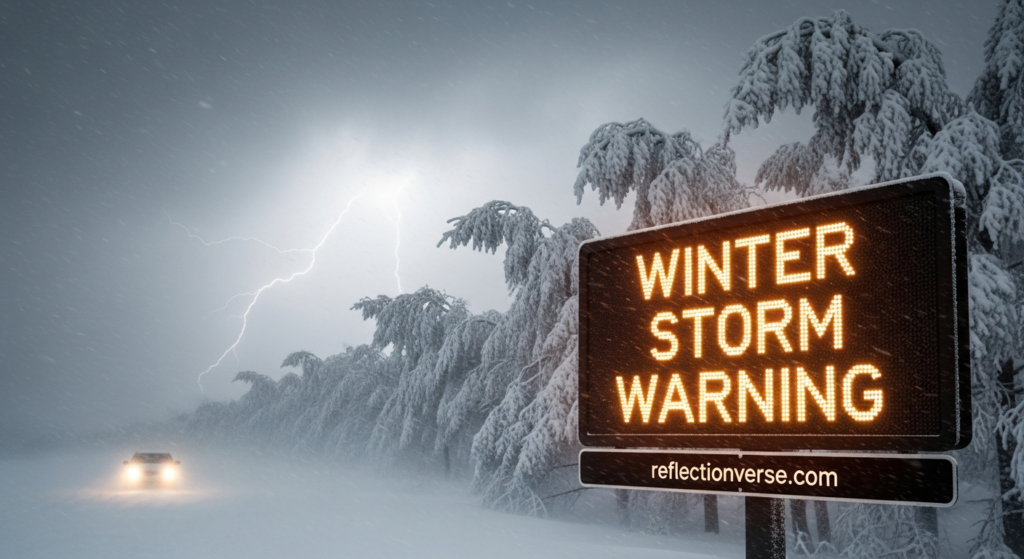
A winter storm warning means severe winter weather is either happening right now or will hit within the next 24 hours. We’re talking heavy snow, ice, sleet, or blowing snow that will make travel dangerous or impossible. Unlike a winter weather advisory or winter storm watch, a warning is the real deal. It’s the meteorological equivalent of someone shouting “This is not a drill!”
In this guide, you’ll learn exactly what a winter storm warning means, how it differs from other alerts, what steps you need to take immediately, and how to keep yourself and your family safe when winter weather turns dangerous. Whether you’re a seasoned snow veteran or new to winter storms, understanding these warnings could literally save your life.
What Is a Winter Storm Warning
When the National Weather Service issues a winter storm warning, they’re telling you that dangerous winter weather conditions are imminent or already occurring. This isn’t a maybe situation. The meteorologists have looked at the data and determined that significant winter weather will impact your area within 24 hours.
The criteria for issuing a winter storm warning varies by location. What counts as severe in Texas looks different from what’s considered normal in Minnesota. Generally, you’ll see a warning when forecasters expect at least six inches of snow in 12 hours, or eight inches in 24 hours. Ice accumulation of a quarter inch or more also triggers warnings.
These warnings cover specific zones or counties. The National Weather Service doesn’t issue them lightly. They consider road conditions, visibility, wind, and temperature. When all these factors combine to create truly hazardous conditions, the warning goes out.
You might receive the alert through multiple channels. Your phone screams with an emergency notification. Local TV and radio stations interrupt programming. Weather apps send push notifications. The system is designed to reach you wherever you are.
The warning typically includes the expected start time, end time, and specific impacts. It tells you what type of precipitation to expect and how much. You’ll see information about wind speeds and potential whiteout conditions. This detailed forecast helps you understand exactly what’s coming your way.
Winter Storm Warning vs Watch vs Advisory
The National Weather Service uses three main winter weather alerts, and knowing the difference matters. Each one tells you something specific about the timing and severity of approaching weather.
A winter storm watch comes first. Think of it as a heads up that conditions are favorable for severe winter weather in the next 24 to 48 hours. The forecasters see the potential but aren’t certain yet. When you hear watch, start preparing but know that plans might change.
A winter storm warning means the severe weather is happening soon or already here. The uncertainty is gone. Dangerous conditions will occur within 24 hours. This is when you need to take action and avoid travel if possible.
A winter weather advisory sits between the two. It means winter weather will cause significant inconveniences and potentially hazardous conditions, but the situation isn’t quite severe enough for a warning. You’ll still see snow, ice, or sleet that makes driving tricky, but amounts fall below warning criteria.
Blizzard warnings are a special category. These combine heavy snow with winds of at least 35 mph and visibility under a quarter mile for three hours or more. Blizzards are incredibly dangerous. People have died just steps from their homes because they couldn’t see in whiteout conditions.
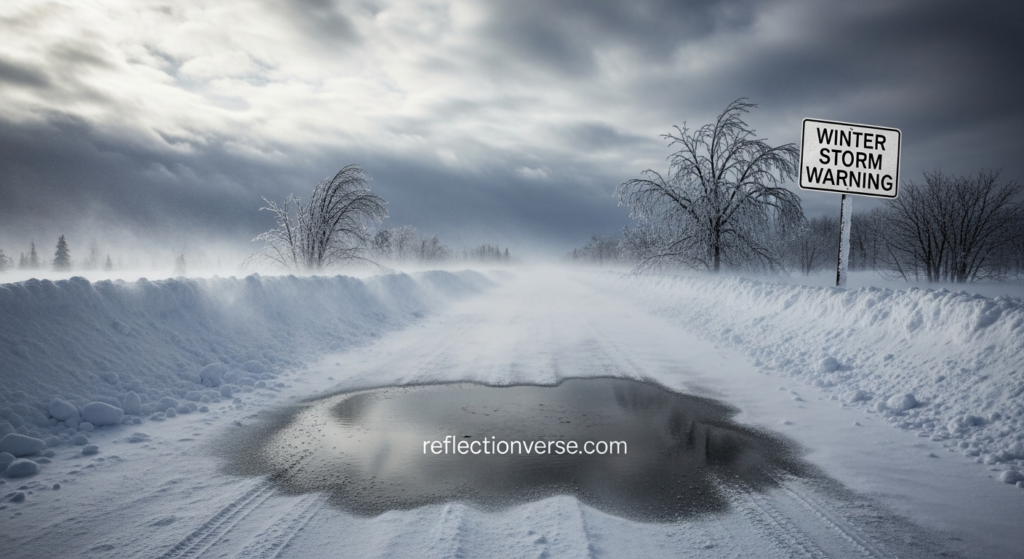
Ice storm warnings focus specifically on significant ice accumulation. A quarter inch of ice can snap power lines and tree branches. Half an inch turns roads into skating rinks and can cause widespread damage. These warnings mean you should stay put.
How Winter Storm Warnings Are Issued
The process behind issuing a winter storm warning involves sophisticated technology and experienced meteorologists. The National Weather Service operates 122 forecast offices across the United States. Each office monitors its specific region constantly.
Meteorologists analyze data from weather satellites, radar systems, weather balloons, and surface observations. Computer models run countless simulations of atmospheric conditions. Forecasters compare multiple models to identify patterns and trends.
When models consistently show severe winter weather approaching, forecasters begin discussions. They look at temperature profiles throughout the atmosphere. They examine moisture levels and wind patterns. The timing matters enormously because a difference of two degrees can mean rain instead of snow.
Local forecasters know their territory intimately. They understand how terrain affects weather in their region. Mountains create lift that increases snowfall. Valleys trap cold air. Lakes modify temperatures and precipitation. This local knowledge helps forecasters fine tune predictions.
Once the team agrees that conditions warrant a warning, they draft the alert. The message includes specific details about timing, accumulation, and impacts. It goes through a quick review and then gets transmitted through multiple systems simultaneously.
The entire weather service network coordinates during major storms. Offices share information about storm movement and intensity. This coordination ensures consistent messaging as storms move across boundaries. You won’t hear conflicting information from neighboring forecast zones.
Immediate Actions When You Receive a Warning
Your phone buzzes with a winter storm warning. Now what? The first thing you should do is actually read the entire alert. Don’t just glance at it and assume you know what’s happening.
Check the timing. When does the storm start? When does it end? You might have a few hours to prepare or the snow might already be falling. Understanding the timeline helps you prioritize actions.
If you’re away from home, decide immediately whether to head back or shelter in place. Don’t wait until conditions deteriorate. Roads can become impassable faster than you expect. We’ve all heard stories of people stranded on highways for hours.
Bring in anything from outside that could blow away or get buried. Patio furniture, grills, and decorations can become projectiles in high winds. Your garden hose freezes solid when left out. Kids’ toys disappear under snowdrifts.
Move your vehicle to a location where you can access it easily. Park away from trees that might drop limbs. Clear space for snow removal. If you have a garage, put your car inside. Starting a snow covered car in subzero temperatures is miserable.
Charge all your devices fully. Phones, tablets, laptops, and battery packs should all be at 100%. Power outages happen during winter storms. Having charged devices means you can communicate and access information even without electricity.
Fill bathtub with water. If power goes out, your well pump stops working. Even city water systems can fail. You’ll need water for drinking, cooking, and flushing toilets. A full bathtub provides emergency backup.
Preparing Your Home for Severe Winter Weather
Your home needs to be ready before the first snowflake falls. Start by adjusting your thermostat slightly higher than normal. When power goes out, your house will cool down slowly if it starts warmer.
Check your heating system right now. When was the last time you changed the filter? Is the pilot light working? Do you have fuel? Nothing is worse than having your heat fail during a blizzard. Schedule a quick check if you have any doubts.
Locate your emergency supplies. You should have flashlights with fresh batteries, candles, matches, and a battery powered radio. Keep these items in one accessible place. Fumbling around in the dark searching for a flashlight defeats the purpose.
Stock your kitchen with easy to prepare foods. You want items that don’t require cooking if the power goes out. Bread, peanut butter, crackers, canned goods, and protein bars work well. Don’t forget a manual can opener.
Protect your pipes from freezing. Let faucets drip slightly. Open cabinet doors under sinks to allow warm air circulation. Disconnect garden hoses from outdoor faucets. Frozen pipes burst and cause thousands of dollars in damage.
Gather warm blankets, sleeping bags, and extra layers of clothing. If you lose heat, you’ll need to bundle up. Layers trap body heat better than one thick item. Include hats and gloves since you lose significant heat through your head and extremities.
Know where your main water shutoff valve is located. If a pipe does freeze and burst, you need to stop the water immediately. Every second counts when water is gushing into your home. Show everyone in your household where the valve is.
Essential Winter Storm Supplies
Building a proper winter storm kit takes planning. You need supplies that cover multiple scenarios from brief power outages to extended periods stuck at home.
Start with water. The standard recommendation is one gallon per person per day. Plan for at least three days, preferably a week. Yes, that’s a lot of water but it’s absolutely necessary. You’ll use it for drinking, basic hygiene, and food preparation.
Your food supply should include non perishables that provide nutrition and calories. Canned soups, vegetables, and meats work well. Dried fruits and nuts provide energy. Granola bars and crackers offer quick snacks. Don’t forget about your pets. They need food and water too.
A first aid kit is mandatory. Include bandages, antibiotic ointment, pain relievers, prescription medications, and any specific medical supplies your family needs. Add a thermometer and basic cold medicines. Pharmacies close during severe storms.
Keep cash on hand. ATMs and credit card machines don’t work without power. You might need to pay someone for help or buy supplies. Having a few hundred dollars in small bills provides options.
Battery powered or hand crank radio lets you receive emergency information. Your phone might die or cell towers might go down. A radio works when nothing else does. NOAA weather radio provides continuous updates during storms.
Extra fuel for vehicles and generators matters enormously. Gas stations can’t pump fuel without electricity. If you have a generator, run it periodically before the storm to ensure it works. Store fuel safely in approved containers away from living spaces.
Travel Safety During Winter Storm Warnings
Here’s the simple truth about travel during a winter storm warning. Don’t do it unless absolutely necessary. Emergency responders beg people to stay off the roads during warnings. Every storm, people ignore this advice and end up in ditches, crashes, or worse.
If you absolutely must travel, tell someone your route and expected arrival time. Check in when you arrive. This way, if something goes wrong, someone knows where to look for you.
Prepare your vehicle before leaving. Fill the gas tank completely. Half a tank isn’t enough. Clear all snow and ice from windows, lights, and the roof. Snow flying off your car blinds drivers behind you.
Your vehicle emergency kit should include a shovel, ice scraper, jumper cables, tow strap, and sand or cat litter for traction. Add blankets, water, snacks, and a flashlight. If you get stuck, these items keep you safe until help arrives.
Drive slowly. Really slowly. Slower than feels necessary. Speed limits are for ideal conditions. Winter storm warnings mean conditions are far from ideal. Following distance should triple at minimum.
If visibility drops, pull completely off the road. Hazard lights on. Wait it out. Numerous pileups happen because drivers continue moving when they can’t see. Being late is better than being in a 50 car crash.
Watch for black ice on bridges and overpasses. These surfaces freeze first because cold air circulates underneath. What looks like wet pavement might be sheet ice. Gentle pressure on brakes and steering helps you maintain control.
Power Outages and Staying Warm
Winter storms frequently knock out power. Heavy snow breaks tree branches that fall on power lines. Ice accumulation weighs down lines until they snap. High winds topple poles. Utility crews can’t always respond immediately during severe weather.
When the power goes out, resist the urge to open your refrigerator and freezer. They’ll keep food cold for hours if you leave them closed. A full freezer maintains temperature for about 48 hours.
Close off rooms you’re not using. Gather everyone in one area to share body heat. Hang blankets over doorways to trap warmth. You’re creating a smaller space that’s easier to keep warm with body heat and alternative heating sources.
Never use a gas stove or oven for heat. Carbon monoxide poisoning kills people every winter who make this mistake. You can’t see or smell carbon monoxide. It causes confusion, dizziness, and death. Only use heating devices designed for indoor use.
If you have a fireplace or wood stove, use it safely. Ensure the flue is open. Never leave fires unattended. Keep children and pets away. Have your chimney cleaned regularly to prevent creosote buildup and fires.
Dress in layers even indoors. Start with thermal underwear, add regular clothes, and top with sweaters or fleeces. Wear a hat indoors. It looks silly but you lose enormous amounts of heat through your head. Thick socks or double layers keep feet warm.
Stay hydrated and fed. Your body burns more calories trying to stay warm. Eating generates internal heat. Warm beverages help, but avoid too much caffeine or alcohol. Both can affect your body’s temperature regulation.
Protecting Your Pets and Livestock
Animals suffer during winter storms just like people do. Your pets depend on you completely for protection. Bring outdoor pets inside when a winter storm warning is issued. No exceptions.
Even breeds with thick coats can suffer hypothermia and frostbite. Older animals and puppies are especially vulnerable. Set up a warm space away from drafts. Provide extra bedding or blankets.
Outdoor water bowls freeze solid. Check water frequently and replace it with fresh water. Warm water helps animals stay hydrated. They need more calories during cold weather to maintain body temperature. Increase food portions slightly.
Livestock need shelter from wind and precipitation. Barns and run in sheds provide protection. Add extra bedding for insulation. Break ice on water troughs multiple times daily. Animals won’t drink enough if they have to work for it.
Check animals frequently during storms. Look for signs of cold stress including shivering, lethargy, and seeking shelter constantly. Frostbite shows up on extremities like ears and tails. Get animals warmed up gradually if they’re showing problems.
Keep animal emergency supplies ready. Extra food, medications, and first aid supplies should be on hand. Have a plan for heating water if power goes out. Know your veterinarian’s emergency contact information.
After the Storm Passes
The winter storm warning expires but your work isn’t done. Now comes the cleanup and recovery phase. Take your time. More injuries happen during cleanup than during the storm itself.
Dress warmly even if the sun is shining. Cold temperatures linger. Dress in layers you can remove as you warm up from physical activity. Wear non slip boots with good traction. Ice hides under fresh snow.
Start clearing snow from emergency exits first. You need a way out if something goes wrong. Then clear a path to your driveway. Take frequent breaks. Shoveling snow is intense physical work. Heart attacks spike during snow removal.
Lift with your legs, not your back. Push snow instead of lifting when possible. Smaller loads reduce strain. If you’re not in good shape or have health conditions, hire someone or ask for help.
Check your roof if you can do so safely. Heavy snow puts enormous stress on structures. Look for sagging or unusual sounds. If you’re concerned, contact a professional. Never go on a snow covered roof yourself.
Inspect your property for damage. Look at trees for broken branches that could fall. Check siding and gutters. Document any damage with photos for insurance claims. Report downed power lines immediately without touching them.
Restock your emergency supplies. You used items during the storm. Replace them now while stores are open. Don’t wait until the next warning to realize you’re out of batteries or water.
Understanding Regional Differences
Winter storm warnings mean different things depending on where you live. Four inches of snow in Atlanta causes chaos and shuts down the city. In Buffalo, that same amount barely rates a mention.
Southern regions lack snow removal infrastructure. They don’t need dozens of plows for the rare snow event. When storms hit these areas, the impact is more severe. Residents have less experience driving in snow. Homes aren’t built for extreme cold.
Northern states prepare for winter differently. Cities own massive fleets of snow removal equipment. Road treatments begin before snow falls. Building codes require proper insulation. People own appropriate clothing and understand winter hazards.
Mountain regions face unique challenges. High elevations mean colder temperatures and more snow. Avalanches become a concern in steep terrain. Roads close frequently. Some areas become completely isolated during major storms.
Coastal areas deal with additional complications. Ocean moisture can intensify storms. The transition from rain to snow creates dangerous ice. Strong winds off the water cause blowing snow and low visibility. Storm surge combines with high tides to cause flooding even during winter.
The criteria for warnings reflects these regional differences. Forecasters consider what’s normal for their area and what will cause significant impacts. A winter storm warning in Miami means something fundamentally different than one in Minneapolis.
Climate Change and Winter Storms
Winter storm patterns are changing as our climate shifts. You might wonder how global warming affects winter storms. The relationship is complex and sometimes counterintuitive.
Warmer air holds more moisture. This means storms can produce heavier snowfall in areas that stay cold enough. Some regions see more intense storms even if they get fewer storms overall.
The polar vortex becomes less stable with warming Arctic temperatures. When it weakens, frigid air plunges south into areas that normally stay milder. These outbreaks can combine with moisture to create significant winter storms in unusual locations.
Lake effect snow is increasing around the Great Lakes. Warmer water temperatures mean more evaporation. This moisture falls as snow when cold air masses move across the lakes. Buffalo and other lakeside cities see even more dramatic snowfall totals.
Forecasters work constantly to adapt to changing patterns. Historical data becomes less reliable when conditions shift. Models must account for new variables. This makes long range prediction more challenging.
Understanding these changes helps you prepare better. If winter storms are becoming more common or intense in your region, that affects your planning. Stock more supplies. Maintain your home better. Take warnings seriously even if storms were rare in the past.
Conclusion
Winter storm warnings exist for one reason: to keep you safe when dangerous weather threatens. These alerts give you time to prepare, time to shelter, and information you need to make smart decisions. Ignoring them puts you and emergency responders at risk.
Remember the key differences between watches, warnings, and advisories. Take immediate action when a warning is issued. Stock essential supplies before storm season starts. Know how to protect your home, family, and pets. Avoid travel when authorities tell you to stay home.
Winter storms are beautiful and powerful. From a warm, safe house with plenty of supplies, you can appreciate the snow without danger. The next time your phone buzzes with a winter storm warning, you’ll know exactly what to do.
Stay safe this winter. Share this guide with friends and family who might need it. Have you experienced a memorable winter storm? What preparations worked best for you?
FAQs
What’s the difference between a winter storm warning and a winter storm watch?
A watch means severe winter weather is possible in the next 24 to 48 hours. A warning means dangerous conditions are happening now or will begin within 24 hours. Watches give you time to prepare. Warnings mean you should be taking action immediately.
How much snow triggers a winter storm warning?
Criteria vary by location, but generally six inches of snow in 12 hours or eight inches in 24 hours triggers a warning. Areas accustomed to heavy snow might have higher thresholds. Regions that rarely see snow might issue warnings for lesser amounts.
Can you drive during a winter storm warning?
Authorities strongly advise against all travel during winter storm warnings. Road conditions are dangerous or will become dangerous soon. If you absolutely must travel, prepare your vehicle properly, tell someone your route, and drive very slowly.
How long do winter storm warnings typically last?
Most warnings last 12 to 24 hours, covering the period when dangerous conditions are expected. Some warnings for slow moving or intense storms can extend longer. The warning ends when conditions improve enough that travel becomes possible again.
What should I do first when I receive a winter storm warning?
Read the entire alert to understand timing and expected impacts. If you’re away from home, decide whether to return immediately or shelter in place. Bring outdoor items inside. Charge all electronic devices. Check your emergency supplies and fill any gaps.
Do winter storm warnings mean power will go out?
Not necessarily, but power outages are common during winter storms. Heavy snow, ice accumulation, and high winds can damage power lines and infrastructure. Prepare for the possibility by having flashlights, battery power, and alternative heating plans ready.
How do meteorologists know when to issue a winter storm warning?
Forecasters analyze data from satellites, radar, weather balloons, and computer models. They consider temperature, moisture, wind, and other factors. When multiple indicators show severe winter weather is certain, and local knowledge confirms significant impacts are expected, they issue the warning.
Can winter storm warnings be issued in the middle of the night?
Yes, warnings are issued whenever conditions warrant them, regardless of time. The weather doesn’t wait for convenient hours. You might receive alerts at any time through your phone, weather radio, or other emergency notification systems. This is why having devices charged and ready matters.
Also read reflectiveverse.com
