
Introduction
You’ve probably heard whispers or seen questions online about what Mormon women wear under their clothes. Maybe you’re curious, maybe you’re considering joining The Church of Jesus Christ of Latter-day Saints, or perhaps you’re already a member preparing for this sacred step. Whatever brings you here, you’re not alone in wanting to understand this meaningful aspect of LDS faith.
Mormon garments women wear are more than just clothing. They’re a physical reminder of sacred promises made in LDS temples. Often misunderstood by outsiders and sometimes anxiety-inducing for those approaching their temple endowment, these special undergarments deserve a thoughtful, honest conversation.
In this guide, we’ll walk through everything you need to know about women’s temple garments. You’ll learn what they are, why they matter, how they’re worn, and practical tips for everyday life. Whether you’re preparing for your endowment or simply seeking understanding, this article offers clear, compassionate answers.
What Are Mormon Garments for Women?
Mormon garments women receive during their temple endowment are sacred undergarments worn as a reminder of covenants made with God. Members of The Church of Jesus Christ of Latter-day Saints who have participated in temple ceremonies wear these garments daily as an outward expression of inner commitments.
Think of them as a physical symbol of spiritual promises. Just as a wedding ring reminds you of marriage vows, garments remind LDS women of their dedication to living according to gospel principles.
These aren’t magical or superstitious items. They don’t provide physical protection in a mystical sense. Instead, they serve as a constant, personal reminder to honor the sacred covenants you’ve made. Many women describe feeling spiritually grounded when wearing them.
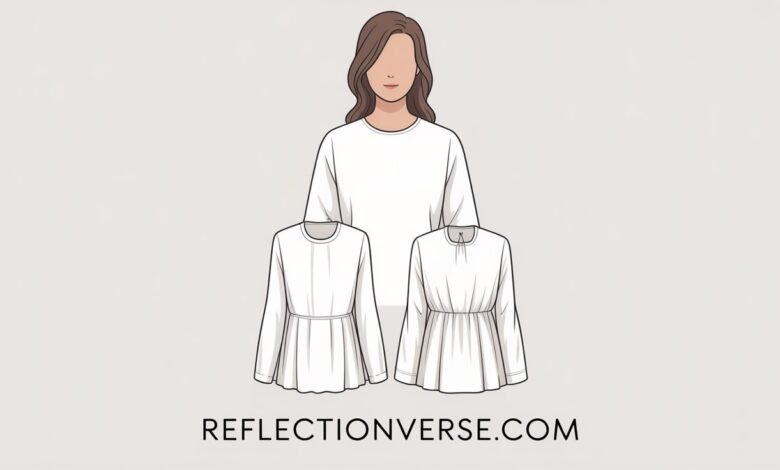
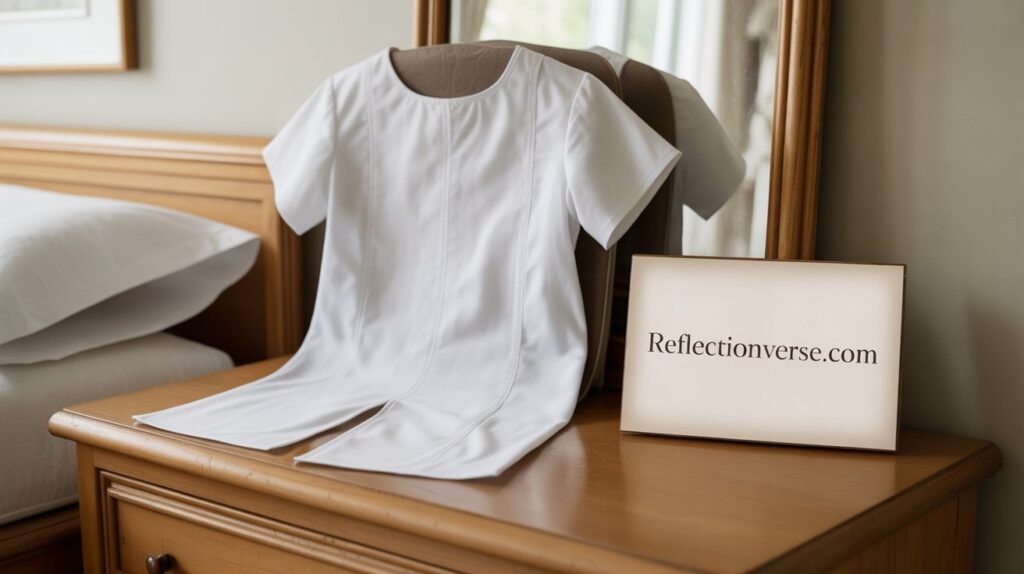
The garments consist of two pieces: a top and bottom. They’re designed to be worn as the first layer of clothing, directly against your skin, under your regular clothes. They replace typical underwear and undershirts.
The History and Meaning Behind Temple Garments
The practice of wearing special religious clothing isn’t unique to Mormonism. Many faiths have sacred dress traditions. Jewish prayer shawls, Catholic clergy vestments, and Islamic hijabs all serve as physical manifestations of faith and commitment.
For Latter-day Saints, the tradition began in the 1840s when Joseph Smith introduced temple ceremonies. The original garments were quite different from modern versions. They were one-piece, extended to the ankles and wrists, and made from heavy materials.
Over time, the church has modified garment styles to accommodate changing fashion and practical needs. Today’s versions are far more comfortable and adaptable to modern clothing. This evolution shows the church’s understanding that the symbol matters more than the exact style.
The meaning remains constant though. Mormon garments women wear symbolize the following: a reminder of temple covenants, a commitment to modesty, protection from temptation through mindfulness, and a connection to a global community of temple-going members.
When you wear garments, you’re participating in something deeply personal yet universally shared among endowed members worldwide. This creates a sense of belonging and shared purpose.
Styles and Fabric Options Available
Gone are the days of one uncomfortable option. The church now offers numerous styles and fabrics to meet diverse needs and preferences. You’ll find choices that work for different body types, climates, and activities.
Fabric Options:
The church provides several fabric choices through official distribution centers. Cotton-poly blends offer breathability and durability for everyday wear. Silk-weight fabrics work beautifully in hot climates or for athletic activities. Corban fabric provides extra stretch and comfort for active lifestyles. Dri-Silque mesh is specifically designed for sports and high-intensity activities.
Each fabric has different care requirements and comfort levels. Many women own multiple pairs in different fabrics for various situations. You might wear cotton-poly for work, then change into Dri-Silque for your evening workout.
Style Variations:
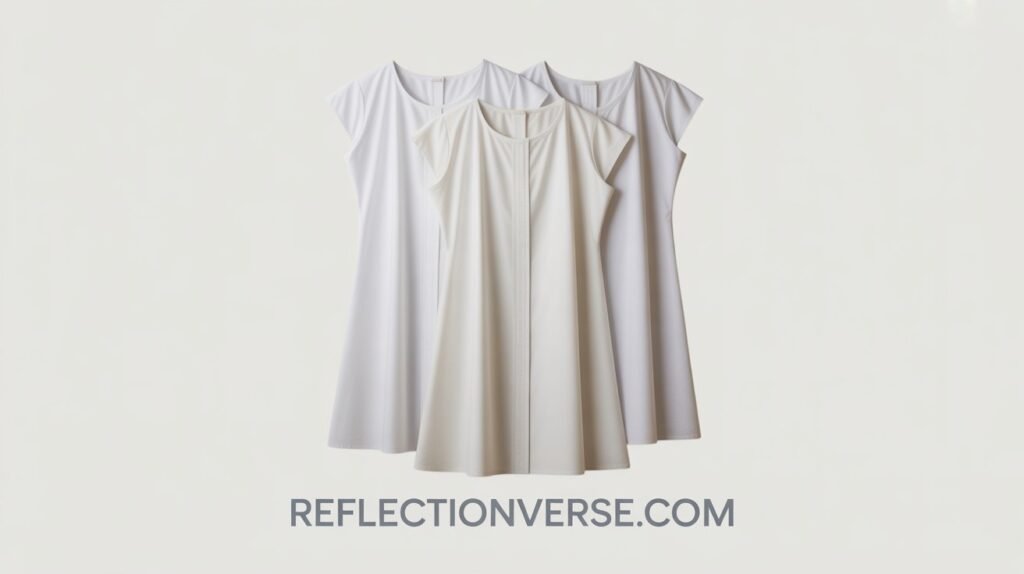
The church offers different cuts and lengths. Tops come in crew neck, scoop neck, and cap sleeve options. Bottoms range from knee-length to shorter styles that work better with modern clothing.
These variations help you maintain both your covenant and your personal style. You’re not forced to choose between modesty and comfort or between faith and fashion.
Finding the right combination takes some experimentation. Most women try several options before discovering their preferred everyday style. That’s completely normal and expected.
How Mormon Garments Women Wear Fit Into Modern Life
One of the biggest questions women have is how garments will affect their daily routine. The honest answer? There’s an adjustment period, but most women adapt smoothly.
Dressing Considerations:
Garments do influence your clothing choices. You’ll need to ensure your outer clothing covers the garment markings. This typically means tops that cover your shoulders and bottoms that reach your knees or longer.
Many modern fashion trends actually align well with garment-friendly styling. Midi skirts, maxi dresses, and modest tops are currently popular. You’ll find plenty of fashionable options at mainstream retailers.
Some women worry about losing their personal style. That’s understandable but usually unfounded. You can absolutely express yourself while honoring your covenants. Accessories, colors, patterns, and silhouettes offer endless creative possibilities.
Athletic Activities:
Working out in garments initially seems daunting to many women. The specialized athletic fabrics make this much easier than you might expect. The Dri-Silque mesh material works excellently for running, cycling, yoga, and gym workouts.
For swimming, church leaders have clarified that you can wear regular swimsuits. You’re not expected to swim in your garments. Simply change into appropriate athletic or swim wear, then return to your garments afterward.
Many active LDS women participate in marathons, triathlons, dance, and various sports while maintaining their garment covenants. With the right fabric choices, physical activity doesn’t require compromise.
Professional Settings:
Corporate dress codes typically don’t conflict with garment wearing. Business attire naturally tends toward modesty. Blazers, dress pants, knee-length skirts, and professional dresses work perfectly.
Healthcare workers, teachers, and those in other professions successfully wear garments daily. The key is choosing appropriate outer clothing and garment styles that work for your specific workplace.
Comfort and Practical Care Tips
Comfort matters, and finding what works for your body takes time. Here are practical insights many women wish they’d known from the beginning.
Finding Your Fit:
Sizing can be tricky initially. Garments should fit snugly but not tight. Too loose and they bunch uncomfortably. Too tight and they’re restrictive and wear out faster.
Don’t hesitate to try different sizes in tops versus bottoms. Your garment sizes might not match your regular clothing sizes. That’s perfectly fine.
The neckline should sit flat without gaping. The leg openings should stay in place without riding up. If you’re experiencing constant adjusting, try a different size or style.
Care and Maintenance:
Proper care extends garment life significantly. Wash them in cold water on a gentle cycle. Hot water and harsh detergents break down the fabric faster. Avoid fabric softener, which can reduce moisture-wicking properties in athletic fabrics.
Air drying is gentler than machine drying, though tumble drying on low works fine for most fabrics. High heat damages elastic and causes shrinkage.
Most women keep enough pairs to rotate comfortably while doing laundry. Having seven to ten sets ensures you’re never caught without clean garments.
When to Replace Them:
Garments don’t last forever. When the fabric becomes thin, stretched out, or the markings fade significantly, it’s time to replace them. There’s no set timeline since this depends on wear frequency and care.
Some women replace their entire collection annually. Others find quality garments last two to three years. Purchase new ones before the old ones are completely worn out.
Disposing of old garments requires care since they’re sacred. Cut out the markings and dispose of them separately from the rest of the fabric. Many members burn the markings or bury them respectfully.
Navigating Special Situations and Exceptions
Life brings unique circumstances that require thoughtful consideration regarding garment wearing. The church provides guidance while acknowledging individual situations vary.
Medical Situations:
Certain medical conditions, surgeries, or treatments might temporarily or permanently affect garment wearing. Your relationship with God doesn’t depend solely on wearing garments. Health comes first.
If you’re facing medical issues that make garments uncomfortable or impossible, discuss this with your bishop. Leaders understand that circumstances sometimes require flexibility. You’re not less faithful for prioritizing your physical wellbeing.
Pregnancy brings its own challenges. As your body changes, you might need different sizes or styles. Some women find certain fabrics more comfortable during pregnancy. Others struggle with garments during hot summer pregnancies and work out reasonable solutions with their leaders.
Intimate Relationships:
Questions about garments and marital intimacy are common but rarely discussed openly. The simple answer is that garments should be removed for intimate relations with your spouse. This is understood and appropriate.
The sacred nature of both temple covenants and marital intimacy are respected within LDS theology. You don’t need to feel guilty about removing garments in this context.
Special Events:
Formal events sometimes create wardrobe dilemmas. A strapless wedding dress for someone else’s wedding, a backless gown for a formal event, or other special occasion clothing might not accommodate garments easily.
These situations require personal decision-making and sometimes consultation with church leaders. Some women choose garment-compatible formal wear. Others make different choices for specific occasions.
The key is approaching these decisions prayerfully and honestly. Your covenants matter, and so does living authentically in the modern world.
Common Questions and Concerns
Many women have similar questions before receiving their garments. Addressing these openly helps reduce anxiety.
Will I Feel Different?
Most women report an adjustment period of a few weeks to a few months. Initially, you might feel very aware of wearing something different. This awareness fades as garments become your new normal.
Some women feel immediate spiritual comfort. Others take longer to appreciate the symbolism. Both experiences are valid. Give yourself grace during the transition.
What If I’m Not Ready?
There’s no shame in not feeling ready for temple covenants and garments. This is a significant commitment that deserves careful consideration. Taking time to prepare spiritually and emotionally shows wisdom, not weakness.
Talk with your bishop, trusted mentors, or family members who wear garments. Ask questions. Express concerns. Your church leaders want you to feel prepared and confident.
How Will Others React?
Unfortunately, garment lines sometimes show through clothing. This might invite unwanted questions or comments from non-LDS friends or family. How you respond is personal.
Some women openly explain their religious practice. Others prefer keeping this aspect of their faith private. Both approaches are acceptable. You’re not obligated to justify your religious observances to anyone.
Within LDS culture, wearing garments signals that you’ve made temple covenants. This can feel like joining a special community. Most endowed members feel a sense of connection when they recognize others are also wearing garments.
The Spiritual Aspect of Wearing Garments
Beyond the practical considerations, garments carry deep spiritual significance for faithful members. Understanding this dimension helps you appreciate why Mormon garments women wear matter so much.
A Personal Covenant:
Your decision to wear garments is between you and God. It’s not about impressing others or following rules mindlessly. It’s a personal commitment to remember and honor sacred promises.
This private nature makes garment wearing a daily spiritual practice. Each time you put them on, you have an opportunity to recommit to your covenants. Each time you see them throughout the day, you’re reminded of your faith.
Protection Through Mindfulness:
Church leaders have taught that garments provide spiritual protection. This doesn’t mean physical invincibility. Instead, the protection comes through increased mindfulness of your commitments.
When you’re aware you’re wearing sacred clothing, you’re more likely to avoid situations or choices that conflict with your values. The physical presence creates mental awareness that influences behavior.
Many women describe feeling a gentle reminder to be their best selves. It’s like carrying a piece of the temple with you into the world.
Community and Belonging:
Wearing garments connects you to millions of Latter-day Saints worldwide who have made similar covenants. You’re part of a global community of believers committed to following Christ.
This sense of belonging can be especially meaningful during difficult times. When you feel alone or discouraged, remembering that others share this commitment can provide strength.
Conclusion
Mormon garments women wear represent a sacred, personal commitment that extends far beyond fabric and stitching. They’re a daily reminder of temple covenants, a symbol of faith, and a connection to a global community of believers.
If you’re preparing to receive your garments, approach this step with prayerful consideration and open communication with church leaders. Give yourself time to adjust both practically and spiritually. Remember that comfort and confidence come with time.
For those seeking to understand this practice from outside the faith, I hope this guide has offered insight without sensationalizing or misrepresenting something deeply meaningful to millions of women. Respect for religious practices, even those we don’t share, enriches our diverse world.
Whether you’re wearing garments or simply trying to understand them, the most important thing is approaching the topic with sincerity, respect, and an open heart. What questions do you still have about this sacred practice?

Frequently Asked Questions
Do Mormon women have to wear garments all the time?
Yes, endowed members commit to wearing garments day and night. Exceptions include swimming, intimate relations with a spouse, and activities where wearing them would be impractical or unsafe. The commitment is to wear them as consistently as circumstances reasonably allow.
Can you buy Mormon garments if you’re not a member?
No, garments are only available to endowed members through official church distribution centers. You need a temple recommend to purchase them. This restriction maintains the sacred nature of these items and ensures they’re used appropriately.
What happens if you stop wearing your garments?
This is between you and God. Church leaders encourage open communication if you’re struggling with this commitment. Stopping garment wearing doesn’t automatically result in formal church discipline, though it might prompt conversations with your bishop about your spiritual wellbeing and covenant commitments.
Are garments uncomfortable in hot weather?
The athletic fabrics, particularly Dri-Silque mesh, work remarkably well in heat. Many women in tropical climates wear garments comfortably. The initial adjustment might feel warm, but most women adapt. Choosing breathable fabrics and moisture-wicking materials makes a significant difference.
How much do temple garments cost?
Prices vary slightly by style and fabric, but garments are subsidized by the church and relatively inexpensive. A complete set typically costs between eight and fifteen dollars. This affordable pricing ensures all members can access them regardless of financial circumstances.
Can you wear regular underwear over garments?
No, garments replace regular underwear and are worn as your first layer. Some women add additional support garments like sports bras over their garment tops for certain activities, but garments serve as your base undergarments.
Do teenage girls wear Mormon garments?
No, garments are only worn after receiving your temple endowment. This typically happens before a mission (usually around age nineteen for women) or before temple marriage. Teenagers aren’t expected to wear garments regardless of their activity level in the church.
What if garments don’t fit my body type?
The church offers various styles and sizes to accommodate different body types. If standard sizes don’t work, you can request custom sizing through distribution centers. Many women find that trying different style combinations helps them find comfortable options that work for their unique shape.
Are there garments for plus-size women?
Yes, garments are available in extended sizes. The church recognizes that members come in all body types and provides appropriate sizing options. Distribution center staff can help you find the right fit for your body.
Can you alter temple garments to fit better?
Minor alterations like adjusting hem length are generally acceptable, but you should never alter or remove the sacred markings. If standard garments don’t fit properly, requesting custom sizing is better than making significant alterations that might compromise the garment’s design or sacred elements.
Also read reflectionverse.online