
Introduction
Have you ever watched a tiny, wide-eyed creature glide gracefully through the air and thought, “I need that in my life”?
If you’re searching for sugar gliders for sale, you’re about to embark on one of the most rewarding pet ownership journeys imaginable. These pocket-sized marsupials have captured hearts worldwide with their playful personalities and unique gliding abilities. But before you fall completely in love with those big eyes and soft fur, you need to understand what it truly means to welcome a sugar glider into your home.
This comprehensive guide walks you through everything from finding reputable breeders to understanding the daily care requirements. You’ll learn about costs, legalities, diet needs, and the emotional commitment these social creatures demand. Whether you’re a first-time exotic pet owner or adding to your collection, this article gives you the knowledge to make an informed decision about purchasing a sugar glider.
Understanding Sugar Gliders as Pets
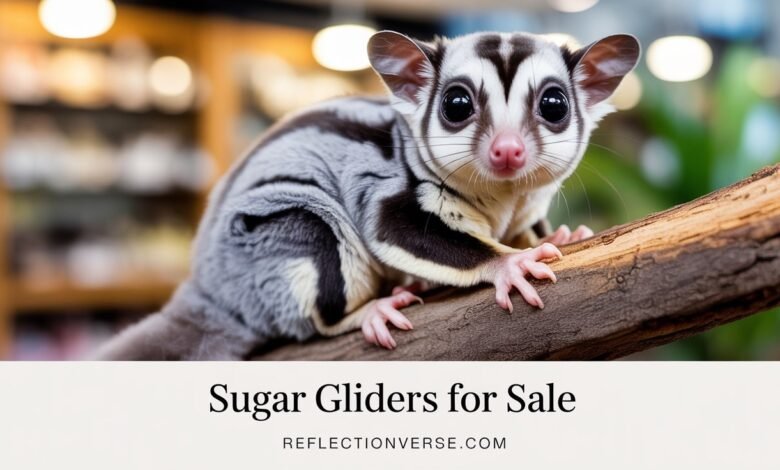
Sugar gliders aren’t your typical pets. These small marsupials originated from Australia, Indonesia, and Papua New Guinea. In the wild, they live in colonies and spend their nights gliding between eucalyptus trees searching for food.
When you bring one home, you’re essentially adopting a wild animal that’s been bred in captivity. They measure about five to seven inches long, with their tail adding another six inches. Despite their small size, they pack enormous personality into those tiny bodies.
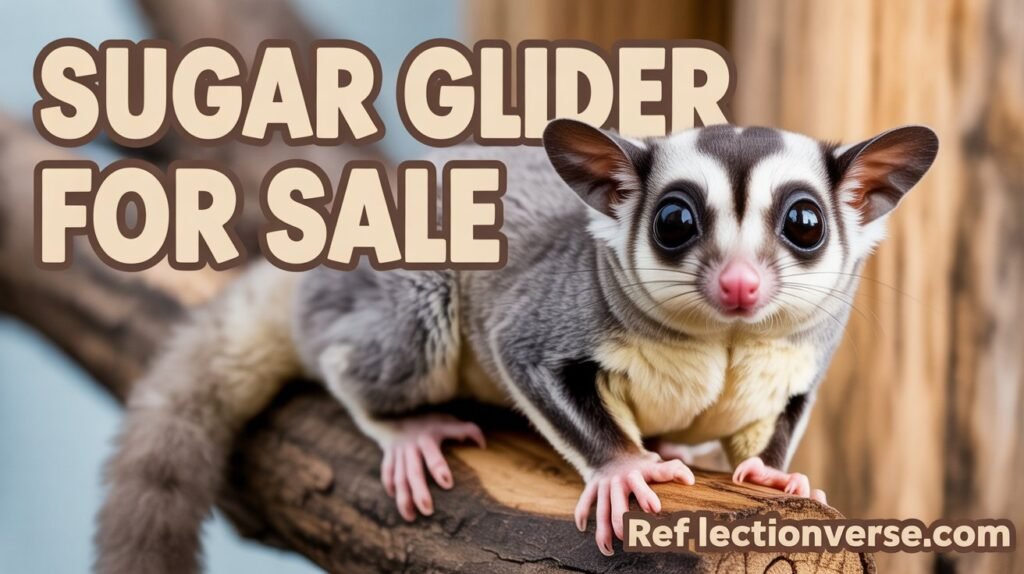
These nocturnal creatures sleep during the day and become active at night. Their name comes from their love of sweet foods and their ability to glide up to 150 feet using a membrane called a patagium. This thin skin stretches from their wrists to their ankles, creating a natural parachute.
The Reality of Sugar Glider Ownership
You need to be honest with yourself about your lifestyle before searching for sugar gliders for sale. These aren’t low-maintenance pets you can ignore for days. They require daily interaction, specialized diets, and significant time commitment.
Sugar gliders are incredibly social animals. In the wild, they live in groups of up to seven adults plus their offspring. Keeping a single sugar glider alone can lead to depression, self-mutilation, and shortened lifespan. Most experts strongly recommend buying at least two gliders so they can keep each other company.
They also bond deeply with their owners. This bonding process takes weeks or months of consistent handling. You’ll need to carry them in bonding pouches, hand-feed them, and spend quality time together daily. Miss a few days, and you might lose the trust you’ve built.
Where to Find Sugar Gliders for Sale
Finding a sugar glider requires research and patience. You have several options, but not all are created equal.
Reputable Breeders
The best place to find sugar gliders for sale is through established, ethical breeders. These professionals understand genetics, health screening, and proper socialization. They’ll answer your questions honestly and provide ongoing support after purchase.
Look for breeders who allow you to visit their facility. You should see clean, spacious enclosures and healthy, active animals. Ask about the parents’ health history and whether the breeder performs genetic testing. Quality breeders will have waiting lists, which shows they’re not overbreeding their animals.
Expect to pay between $200 and $500 per glider from a reputable breeder. Some rare color variations can cost significantly more. Remember, the initial purchase price is just the beginning of your financial investment.
Exotic Pet Stores
Some pet stores specialize in exotic animals and carry sugar gliders. However, you need to be extremely cautious with this option. Many pet stores source their animals from mass breeders who prioritize profit over animal welfare.
If you’re considering a pet store purchase, ask detailed questions. Where did the glider come from? Has it been vet-checked? How old is it? What’s its diet been? The staff should provide comprehensive answers and care information.
Never buy a sugar glider on impulse from a pet store. These aren’t hamsters or guinea pigs. Take time to research and prepare before making this commitment.
Rescue Organizations and Adoptions
Adoption represents a wonderful alternative to buying from breeders. Many sugar gliders end up in rescues because owners underestimated the care requirements. These animals need loving homes just as much as babies from breeders.
Check websites like Petfinder, local exotic animal rescues, and sugar glider-specific rescue organizations. Adoption fees typically range from $75 to $200, which is considerably less than breeder prices. You’re also giving a second chance to an animal in need.
Adopted gliders may come with behavioral challenges or health issues. However, rescue organizations usually provide honest assessments and ongoing support. Some rescued gliders are already bonded and trained, making your transition easier.
Legal Considerations Before Purchase
Before you start seriously looking at sugar gliders for sale, verify the legality in your area. Sugar glider ownership is heavily regulated and outright banned in some locations.
State and Local Laws
Several U.S. states prohibit sugar glider ownership entirely. California, Alaska, and Hawaii have complete bans. Pennsylvania requires special permits. Other states have no restrictions whatsoever.
Even within legal states, your city or county might have additional restrictions. Some homeowners associations also ban exotic pets. Check all applicable laws before making any purchase commitments. Buying an illegal pet could result in confiscation, fines, and even criminal charges.
Contact your state’s wildlife agency for definitive information. Don’t rely solely on what a breeder or pet store tells you. They might not know your local ordinances or might not be forthcoming about restrictions.
Housing Restrictions
If you rent your home, check your lease agreement carefully. Many landlords prohibit exotic pets even in states where they’re legal. Having a “no pets” or “cats and dogs only” clause means you’ll need written permission to keep sugar gliders.
Be upfront with your landlord. Explain what sugar gliders are, their care requirements, and their noise levels. Offering to pay a pet deposit might help sway a hesitant landlord. However, sneaking in an illegal pet risks eviction and losing your security deposit.
Setting Up Your Sugar Glider’s Home
Once you’ve confirmed legality and found sugar gliders for sale, you need to prepare their habitat. This setup requires significant investment in both money and space.
Cage Requirements
Sugar gliders need spacious cages because they’re extremely active. The minimum cage size for a pair is 24 inches wide, 24 inches deep, and 36 inches tall. However, bigger is always better. These animals love to climb, jump, and glide within their enclosure.
Choose cages with horizontal bars spaced no more than half an inch apart. Wire spacing is crucial because baby gliders can escape through larger gaps. The cage should have multiple levels, branches, ropes, and toys for enrichment.
Expect to spend between $150 and $400 on an appropriate cage. Cheaper options exist, but they often lack proper spacing or size. This isn’t an area where you want to cut corners.
Essential Accessories
Your sugar gliders need specific items to thrive. Start with sleeping pouches, which provide dark, cozy spaces for daytime rest. You’ll want multiple pouches so you can rotate them for washing. Gliders are particular about cleanliness.
Add natural branches of varying thicknesses for climbing. Avoid wood from treated lumber or toxic trees like cedar and pine. Safe options include apple, eucalyptus, and manzanita branches. Ropes, ladders, and hammocks create a three-dimensional environment.
Food and water dishes need to be easily accessible but not under perches where they’ll get contaminated with droppings. Many owners use multiple water bottles as backup in case one malfunctions.
Temperature and Lighting
Sugar gliders are sensitive to temperature extremes. They thrive in environments between 70 and 90 degrees Fahrenheit. Temperatures below 60 degrees can send them into torpor, a hibernation-like state that’s dangerous for captive gliders.
Keep their cage away from drafty windows, air conditioning vents, and heating registers. Use space heaters carefully during winter months. Some owners invest in ceramic heat emitters for consistent nighttime warmth.
These nocturnal animals don’t need special UV lighting like reptiles do. However, they should have a natural day-night cycle. Keep their cage in a room that gets natural light during the day and is dark at night.
Understanding Sugar Glider Diet
One of the most challenging aspects of sugar glider ownership is meeting their complex nutritional needs. Get this wrong, and you’ll face serious health problems.
Dietary Basics
In the wild, sugar gliders eat tree sap, nectar, insects, and small amounts of fruits and vegetables. Replicating this diet in captivity requires dedication and knowledge. They need a precise balance of calcium, phosphorus, protein, and other nutrients.
Several established diet plans exist within the sugar glider community. The most popular include the Bourbon Modified Leadbeater’s (BML) diet, High Protein Wombaroo (HPW) diet, and The Pet Glider (TPG) diet. Each has its advocates and specific preparation requirements.
You’ll need to prepare fresh food nightly. These diets typically involve mixing protein sources, fruits, vegetables, vitamins, and supplements. Preparation takes 15 to 30 minutes initially, though you’ll get faster with practice. Many owners prepare large batches and freeze individual portions.
Foods to Avoid
Several common foods are toxic to sugar gliders. Never feed them chocolate, caffeine, or processed sugar. Raw corn and canned vegetables often lack proper nutrition. Avoid iceberg lettuce, which provides no nutritional value and can cause diarrhea.
Some fruits, while not toxic, should be limited due to high phosphorus content. Grapes, bananas, and raisins should be occasional treats, not dietary staples. The calcium-to-phosphorus ratio in their diet needs careful monitoring.
Dairy products are controversial. Some diet plans include yogurt or cottage cheese, while others avoid all dairy. Research your chosen diet plan thoroughly and stick to its guidelines consistently.
Treats and Supplements
Sugar gliders love treats, which makes them excellent training tools. Mealworms, crickets, and other live insects provide protein and enrichment. Many gliders go crazy for yogurt drops designed for small animals.
However, treats should comprise no more than 5 percent of their diet. Overfeeding treats leads to obesity and nutritional imbalances. Use treats strategically during bonding sessions and training.
Most sugar glider diets require supplements. Calcium supplements prevent metabolic bone disease, a common and serious condition. Vitamin supplements ensure complete nutrition. Follow your diet plan’s supplement recommendations precisely.
The True Cost of Sugar Glider Ownership
When you see sugar gliders for sale, the purchase price is just the beginning. These animals require substantial ongoing investment.
Initial Setup Costs
Beyond the glider’s purchase price, expect to spend $500 to $1,000 on initial setup. This includes the cage, pouches, toys, food dishes, water bottles, and initial food supplies. A veterinary checkup within the first week adds another $100 to $200.
You might also need to purchase a bonding pouch for carrying your glider, a travel cage for vet visits, and cleaning supplies. Some owners invest in kitchen scales for monitoring weight and measuring food portions accurately.
Don’t forget about glider-proofing your home. You’ll need to block small spaces where they could escape or get stuck. Window screens need checking for holes. Electrical cords should be covered or protected.
Monthly Expenses
Ongoing costs typically range from $30 to $75 monthly per pair. Food represents the biggest expense, especially if you’re buying fresh produce, insects, and supplements regularly. Bedding, cleaning supplies, and toy replacements add to monthly costs.
Veterinary care varies widely depending on your location and your gliders’ health. Annual wellness checkups cost between $100 and $200 per glider. Emergency vet visits can easily exceed $500. Not all veterinarians treat exotic animals, so you might need to travel for specialized care.
Consider pet insurance for exotic animals if available in your area. Some policies cover sugar gliders, though they’re less common than cat or dog insurance. The monthly premium might be worthwhile for peace of mind.
Bonding with Your Sugar Glider
Successfully bonding with your sugar glider determines whether pet ownership becomes joyful or frustrating. This process demands patience, consistency, and realistic expectations.

The Bonding Process
When you first bring home sugar gliders for sale, they’ll likely be scared and defensive. They might crab (make a loud, harsh sound) and try to bite. This behavior is normal. They’re prey animals in unfamiliar territory surrounded by giant predators—you.
Start by placing your scent in their cage. Sleep with a small fleece blanket, then put it in their sleeping pouch. Wear the same perfume or cologne consistently so they associate the smell with you. Sit near their cage talking softly while they’re awake.
Progress to offering treats through the cage bars. Let them approach you on their terms. Once they take treats readily, begin tent time. Set up a small tent with you and your gliders inside. This confined space allows interaction without escape risk.
Building Trust
Trust develops gradually through consistent positive interactions. Carry your glider in a bonding pouch inside your shirt during the day. Your body heat and heartbeat provide comfort while they sleep. They’ll wake periodically to find you’re their safe space.
Hand-feeding strengthens your bond significantly. Offer favorite treats from your fingers during their active hours. Speak softly and move slowly. Sudden movements or loud noises can undo weeks of progress.
Expect setbacks. Gliders have distinct personalities. Some bond quickly while others take months. Males often bond more readily than females. Previously neglected or abused gliders require extra patience and understanding.
Training Basics
Sugar gliders can learn simple tricks and commands. They’re food-motivated, making treat-based training effective. Start with basic recall training. Call your glider’s name while offering a treat when they come.
Potty training is possible but challenging. Gliders naturally eliminate after waking up. Place them in a designated area immediately upon waking. Consistency sometimes results in partial potty training, though accidents will still happen.
Never use punishment with sugar gliders. They don’t understand discipline like dogs do. Punishment damages trust and increases fear. Positive reinforcement through treats and praise produces the best results.
Health Concerns and Veterinary Care
Understanding potential health issues helps you provide the best care and recognize problems early.
Common Health Problems
Metabolic bone disease (MBD) is the most common serious condition in captive sugar gliders. Improper calcium-to-phosphorus ratios cause brittle bones, paralysis, and death. Symptoms include weakness, lethargy, tremors, and broken bones from minor trauma. MBD is preventable through proper diet.
Obesity affects sugar gliders fed too many treats or improper diets. Overweight gliders face increased health risks including heart disease and decreased lifespan. Monitor weight weekly and adjust diet accordingly.
Dental problems arise from inappropriate diets or injuries. Sugar gliders have specialized teeth adapted for their natural diet. Soft foods can cause dental issues. Providing appropriate chewing opportunities maintains dental health.
Finding an Exotic Veterinarian
Not all veterinarians treat sugar gliders. You need to find an exotic animal specialist before emergencies occur. Ask potential vets about their sugar glider experience. How many do they treat? What’s their success rate with marsupials?
Your vet should be willing to consult with sugar glider specialists if needed. Join online sugar glider communities and ask for veterinarian recommendations in your area. Other owners provide invaluable insights into quality exotic care.
Establish a relationship with your vet through regular wellness checkups. Annual exams catch problems early when they’re most treatable. Your vet can also answer care questions and provide dietary guidance specific to your gliders’ needs.
Emergency Preparedness
Know the signs of emergency situations requiring immediate veterinary attention. These include difficulty breathing, seizures, severe lethargy, bleeding, or inability to use limbs. Have your exotic vet’s emergency contact information readily available.
Keep a small emergency fund for unexpected veterinary costs. Exotic animal emergency care is expensive. Some problems require referral to specialists several hours away. Being financially prepared prevents having to make tragic decisions based on money.
The Emotional Commitment
Beyond time and money, sugar gliders require significant emotional investment. These aren’t decorative pets you admire from afar.
Social Needs
Sugar gliders bond intensely with their colony members, including human owners. Separation anxiety is real and distressing for these animals. If you travel frequently for work or pleasure, sugar gliders might not be appropriate pets.
They need interaction during their active nighttime hours. If you’re an early-to-bed person, you’ll struggle meeting their needs. Sugar gliders are most active from sunset until early morning. You need to be available and willing to engage with them during these hours.
Consider how life changes might affect your ability to care for them. Starting a demanding job, having children, or moving could impact your capacity for proper care. Sugar gliders can live 12 to 15 years in captivity. That’s a long commitment.
Noise Considerations
Sugar gliders vocalize frequently, especially at night. They bark, crab, chirp, and chatter. While not deafeningly loud, these sounds can disturb light sleepers or thin-walled apartments. The middle-of-the-night barking becomes frustrating when you’re trying to sleep.
They’re also messy eaters. Food gets flung around their cage and the surrounding area. Expect to clean daily to prevent pest problems and maintain hygiene. The commitment to cleanliness never ends.
Making the Final Decision
After reading this comprehensive guide, you have the knowledge to decide whether sugar gliders for sale should become sugar gliders in your home.
These remarkable animals offer unique companionship unavailable from traditional pets. Watching them glide, play, and interact provides endless entertainment. Their affectionate nature once bonded creates deep connections. For the right owner, sugar gliders represent incredibly rewarding pets.
However, they’re not for everyone. The nocturnal schedule, specialized diet, social needs, and long lifespan create challenges many people underestimate. Too many sugar gliders end up in rescues because owners weren’t fully prepared for the reality of ownership.
Be completely honest about your lifestyle, finances, and commitment level. Can you provide proper care for 12 to 15 years? Are you prepared for nighttime activity and noise? Will you dedicate time to bonding and interaction? Can you afford quality veterinary care and proper diet?
If you’ve answered these questions honestly and still want to proceed, start preparing now. Research local laws, find reputable breeders or rescues, set up the proper habitat, and locate an exotic veterinarian. Taking time to prepare properly sets you and your future sugar gliders up for success.
The journey of sugar glider ownership is unlike any other. These tiny marsupials teach patience, responsibility, and the rewards of understanding an exotic species. When you finally hold your bonded glider as it contentedly eats from your hand, you’ll understand why so many people fall in love with these amazing creatures.
Are you ready to welcome sugar gliders into your life? The decision is yours, but now you have the information to make it wisely.

Frequently Asked Questions
How many sugar gliders should I buy?
You should purchase at least two sugar gliders. These animals are highly social and become depressed when kept alone. A bonded pair or small group keeps each other company while you’re unavailable. Single gliders require significantly more human interaction to prevent loneliness and depression.
Can sugar gliders be litter trained?
Sugar gliders can learn some bathroom habits but rarely become fully litter trained like cats. They naturally eliminate after waking up, so you can place them in a designated area then. However, expect accidents throughout their cage and during playtime. Complete litter training is unrealistic.
What do I do if my sugar glider bites me?
New sugar gliders often bite out of fear. Don’t react dramatically, as this reinforces the behavior. Continue gentle handling and bonding efforts. Offer treats to create positive associations. Most gliders stop biting once they trust you, though it may take weeks or months of consistent effort.
Are sugar gliders good pets for children?
Sugar gliders generally aren’t recommended for young children. They require delicate handling, have sharp claws, and can bite when scared. Their nighttime schedule means kids are asleep during their active hours. Teenagers with supervision can succeed with sugar gliders, but they’re ultimately adult pets requiring mature care.
How often do sugar gliders need veterinary checkups?
Healthy adult sugar gliders should see an exotic veterinarian annually for wellness exams. Juvenile gliders or those with health issues need more frequent visits. Always schedule a checkup within the first week of bringing home new gliders to establish a health baseline and catch any existing problems.
Can I take my sugar glider outside?
You can take bonded sugar gliders outside using specially designed glider-safe harnesses or secure bonding pouches. However, never leave them unattended, as predatory birds pose serious threats. Weather should be warm and calm. Many owners avoid outdoor time entirely due to escape and predation risks.
What happens if I can no longer care for my sugar glider?
Contact sugar glider rescues or exotic animal sanctuaries if you can’t continue care. Never release pet sugar gliders into the wild, as they won’t survive. Many rescues help rehome gliders to appropriate owners. Some breeders accept returns, though policies vary. Plan ahead rather than waiting until you’re desperate.
Do sugar gliders smell bad?
Intact males mark territory and have a stronger odor than neutered males or females. Regular cage cleaning minimizes smell. Their diet affects odor levels significantly. Gliders themselves are relatively clean animals that groom frequently. Most odor issues stem from improper cage maintenance rather than the animals themselves.
Also read reflectionverse.com