
Introduction
Have you ever tasted something so vibrant and complex that it instantly changed the way you think about flavor? That’s exactly what happened to me the first time I encountered harissa paste. This fiery North African condiment doesn’t just add heat to your food. It brings depth, smokiness, and a beautiful balance of spices that can elevate even the simplest dishes.
Harissa paste originates from Tunisia and has spread throughout North Africa and beyond. Today, it’s becoming a kitchen staple for home cooks and professional chefs worldwide. Whether you’re grilling vegetables, marinating chicken, or just looking to add excitement to your weeknight dinner, harissa paste delivers every single time.
In this guide, you’ll discover everything about this incredible condiment. We’ll explore what makes it special, how to use it in your cooking, and why it deserves a permanent spot in your refrigerator.
What Is Harissa Paste?
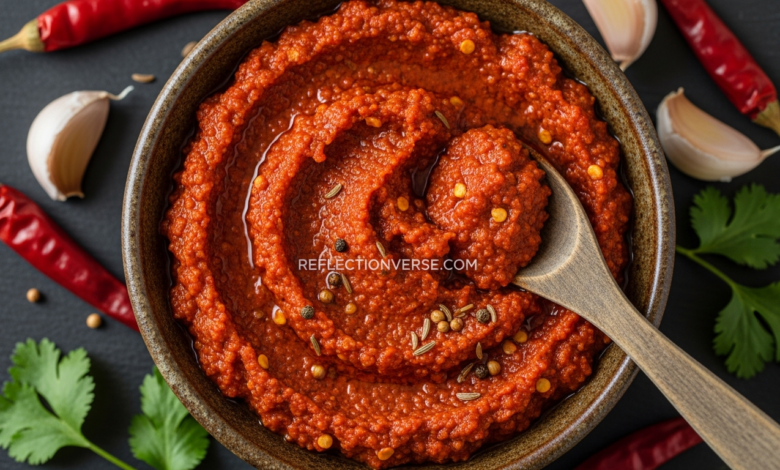
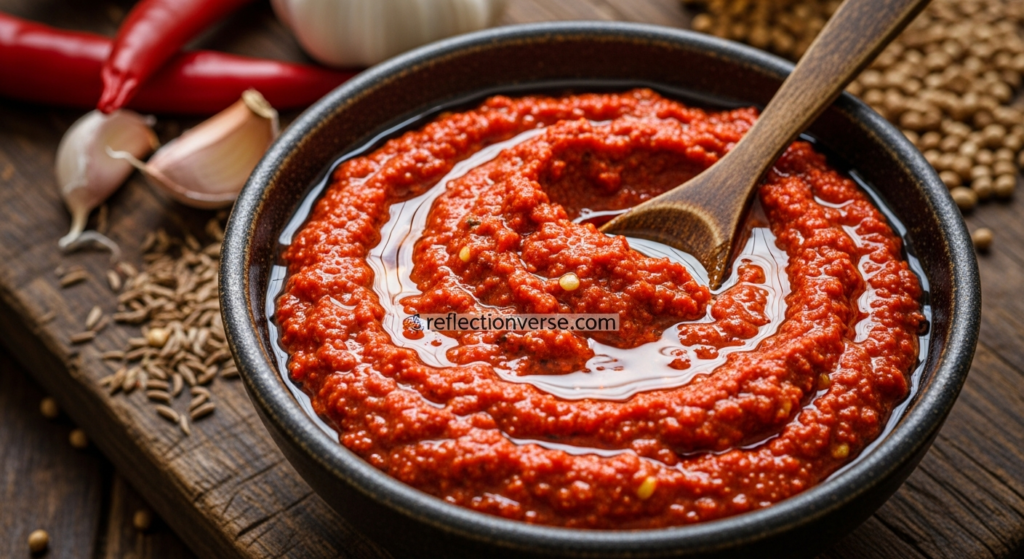
Harissa paste is a spicy chili pepper condiment that originated in Tunisia. It’s made from a blend of hot peppers, garlic, olive oil, and warm spices like cumin, coriander, and caraway. The result is a thick, intensely flavorful paste with a beautiful deep red color.
The base ingredient is typically dried red chilies. These are rehydrated and blended with the other components. Some recipes include roasted red peppers for sweetness. Others add tomato paste for body and depth.
What sets harissa paste apart from other hot sauces is its complexity. You’re not just getting heat. You’re getting layers of flavor that include smokiness, earthiness, and aromatic spice notes. It’s bold without being one-dimensional.
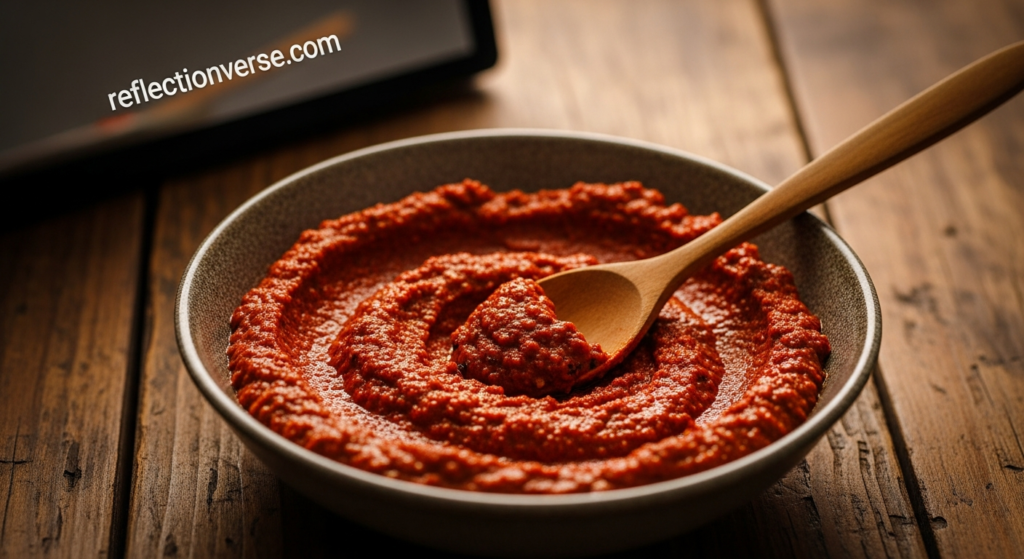
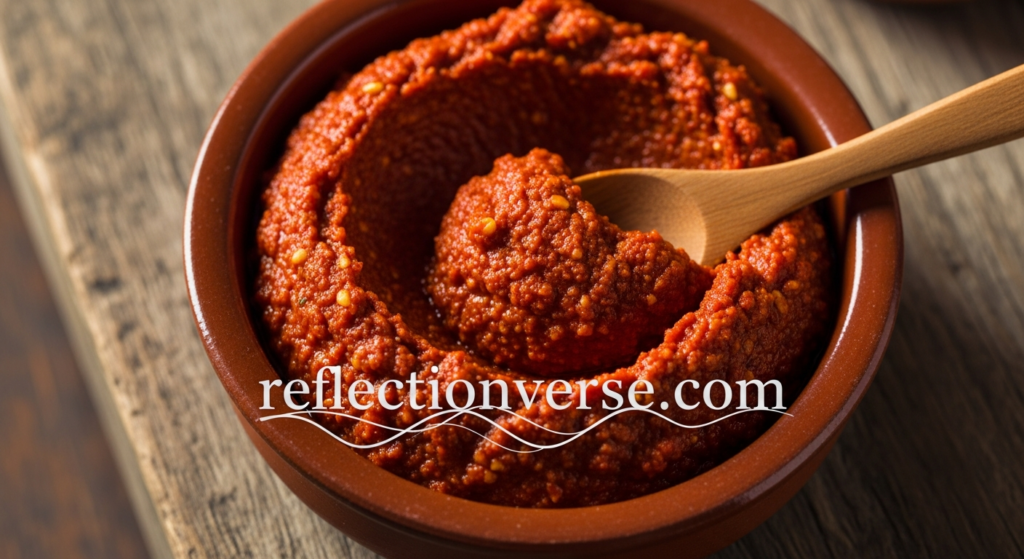
The consistency can vary depending on who makes it. Some versions are smooth and spreadable. Others have a slightly coarser texture with visible seeds and spice flecks. Both styles work beautifully in cooking.
The Traditional Ingredients
Traditional harissa paste contains several key components:
- Dried red chili peppers (often Baklouti or serrano varieties)
- Fresh garlic cloves
- Ground cumin
- Ground coriander
- Caraway seeds
- Olive oil
- Salt
- Sometimes lemon juice or vinegar for acidity
The specific proportions vary by region and family tradition. Tunisian harissa tends to be quite spicy. Moroccan versions might include smoked paprika for extra depth. Some modern recipes incorporate roasted bell peppers to mellow the heat slightly.
The Rich History Behind Harissa Paste
Harissa paste has been a cornerstone of North African cuisine for centuries. While its exact origins are debated, most food historians agree it emerged in Tunisia. The name itself comes from the Arabic word “harasa,” which means “to pound” or “to break into pieces.”
The condiment likely developed as a way to preserve peppers. Before refrigeration, creating pastes with oil and spices helped extend the shelf life of fresh ingredients. Over time, what started as practical preservation became a beloved flavor tradition.
Spanish colonizers introduced chili peppers to North Africa in the 16th century. Before that, black pepper was the primary source of heat. Once chili peppers arrived, they were quickly adopted and transformed into regional specialties like harissa paste.
Today, harissa is deeply woven into the culinary fabric of Tunisia, Algeria, Morocco, and Libya. Each country has developed its own variations. But the spirit remains the same: a bold, spicy paste that enhances countless dishes.
Different Types of Harissa Paste
Not all harissa paste is created equal. You’ll find several varieties depending on where it’s made and how it’s prepared.
Tunisian Harissa
This is the original style. Tunisian harissa paste is typically the hottest version. It focuses on pure chili flavor with minimal sweetness. The spice blend is straightforward: cumin, coriander, and caraway dominate.
Moroccan Harissa
Moroccan versions often include smoked paprika. This adds a wonderful smoky dimension. Some recipes also incorporate rose petals for a subtle floral note. The heat level tends to be slightly more moderate than Tunisian harissa.
Rose Harissa
Rose harissa combines traditional harissa paste with dried rose petals and rose water. This creates a unique sweet and spicy profile. It’s particularly popular in Moroccan cuisine and works beautifully with lamb dishes.
Mild or Sweet Harissa
For those who want flavor without intense heat, mild harissa exists. These versions use fewer hot peppers and more roasted red bell peppers. You still get the aromatic spices and complexity without the fire.
How Harissa Paste Is Made
Making harissa paste from scratch is surprisingly straightforward. You start by soaking dried chili peppers in hot water until they’re soft. This usually takes about 30 minutes.
While the peppers soak, you toast your whole spices. Cumin seeds, coriander seeds, and caraway seeds go into a dry skillet. Toast them until fragrant, then grind them into a powder.
Next comes the blending. The rehydrated peppers, garlic, ground spices, salt, and olive oil go into a food processor. Blend everything until you achieve your desired consistency. Some people like it completely smooth. Others prefer a rustic texture.
The final step is adjusting the seasoning. Taste your harissa paste and add more salt if needed. Some recipes call for a squeeze of lemon juice at this stage. The acid brightens all the other flavors.
Fresh harissa paste can be stored in the refrigerator for several weeks. Just make sure to cover the surface with a thin layer of olive oil. This prevents oxidation and keeps it fresh longer.
The Flavor Profile of Harissa Paste
Understanding the taste of harissa paste helps you use it more effectively. The flavor is multidimensional and changes as you cook with it.
The first thing you notice is the heat. Depending on the variety, this can range from moderate to quite intense. But the heat isn’t sharp or vinegary like some hot sauces. It builds gradually and has a warm, almost sweet quality.
Behind the heat comes earthiness from the cumin and coriander. These spices provide a foundation that grounds the brighter chili flavors. Caraway adds a slightly licorice-like note that’s distinctive and aromatic.
Garlic contributes pungency and depth. The olive oil carries all these flavors and adds richness. When harissa paste is cooked, the flavors meld together and become more complex. The heat mellows slightly, and the spices bloom.
Some versions have smoky undertones, especially if they include smoked paprika or dried smoked chilies. This adds yet another layer to an already complex condiment.
Why You Should Use Harissa Paste
There are countless reasons to keep harissa paste in your kitchen. First and foremost, it’s incredibly versatile. You can use it as a condiment, a marinade, a cooking ingredient, or even a flavor boost for sauces and dressings.
It saves time. Instead of measuring out multiple spices, you have a ready-made flavor bomb. A single tablespoon of harissa paste can transform a boring piece of chicken into something restaurant-worthy.
Harissa paste also adds authenticity to North African and Middle Eastern dishes. If you’re making shakshuka, tagine, or couscous, harissa brings genuine regional flavor. It’s the difference between a good dish and an exceptional one.
From a health perspective, harissa paste offers benefits too. Chili peppers contain capsaicin, which may boost metabolism and reduce inflammation. The spices provide antioxidants. Garlic supports immune function. And olive oil contributes healthy fats.
Finally, it just makes food more exciting. We all get stuck in cooking ruts. Harissa paste is an easy way to break out and try something new without learning complicated techniques.
How to Use Harissa Paste in Your Cooking
The applications for harissa paste are nearly endless. Here are some of my favorite ways to use it.
As a Marinade
Mix harissa paste with olive oil, lemon juice, and a bit of honey. This creates an incredible marinade for chicken, lamb, fish, or vegetables. The acid tenderizes proteins while the paste infuses them with flavor.
I usually marinate chicken thighs for at least two hours. The result is juicy meat with a beautiful spiced crust when grilled or roasted.
In Soups and Stews
A spoonful of harissa paste can transform any soup or stew. Add it to lentil soup for warmth and depth. Stir it into chickpea stew for authentic North African flavor.
The paste dissolves into the liquid and distributes evenly. Start with a small amount and adjust to your heat preference. You can always add more, but you can’t take it away.
Mixed into Dips and Spreads
Harissa paste elevates simple dips instantly. Stir it into hummus for harissa hummus. Mix it with Greek yogurt for a spicy dip. Blend it into mayonnaise for harissa aioli.
These enhanced spreads work wonderfully with vegetables, pita bread, or as sandwich condiments. They’re perfect for entertaining because they look impressive but require minimal effort.
As a Rub for Roasted Vegetables
Toss your vegetables with olive oil and harissa paste before roasting. The heat caramelizes the paste slightly, creating crispy, flavorful edges.
This works particularly well with cauliflower, carrots, sweet potatoes, and Brussels sprouts. The vegetables emerge from the oven with incredible depth and a beautiful glaze.
In Grain Bowls and Salads
A small amount of harissa paste mixed into your dressing brings grain bowls to life. Whisk it with tahini, lemon juice, and water for a creamy harissa dressing.
Drizzle this over quinoa bowls, roasted vegetable salads, or falafel plates. The dressing ties everything together and adds excitement to every bite.
For Eggs
Harissa paste and eggs are a match made in heaven. Add a spoonful to scrambled eggs while they cook. Swirl it into shakshuka. Mix it into your omelet filling.
The richness of eggs balances the heat perfectly. This combination works for breakfast, lunch, or dinner.
Harissa Paste vs. Harissa Powder
You might encounter both paste and powder forms of harissa. They’re related but quite different in application.
Harissa paste is the traditional form. It’s wet, spreadable, and ready to use. The oil content helps it integrate smoothly into dishes. It’s ideal for marinades, dips, and situations where you want immediate flavor.
Harissa powder is dried and ground. It’s essentially the spice blend without the oil and moisture. You need to reconstitute it or mix it with liquid to use it effectively.
The powder has a longer shelf life and takes up less storage space. It’s great for dry rubs or when you want to control the oil content yourself. But it lacks the immediate convenience of the paste.
For most home cooks, harissa paste is the better choice. It’s more versatile and easier to incorporate into recipes. Keep the powder on hand if you cook with harissa frequently and want options.
Where to Buy Harissa Paste
Finding harissa paste has become much easier in recent years. Most well-stocked grocery stores now carry at least one brand in the international foods aisle.
Look for it near other Middle Eastern and North African products. It’s often shelved with tahini, preserved lemons, and other specialty condiments.
Middle Eastern markets and Mediterranean specialty stores typically offer multiple varieties. You’ll find different heat levels, regional styles, and both commercial and artisanal options.
Online retailers provide the widest selection. You can order directly from spice companies, specialty food websites, or major marketplaces. This lets you try different brands and styles without leaving home.
When selecting store-bought harissa paste, check the ingredient list. The best versions have recognizable ingredients: peppers, spices, garlic, oil, and salt. Avoid products with excessive preservatives or artificial flavors.
Popular Brands of Harissa Paste
Several brands have established themselves as reliable options for harissa paste.
Mina Harissa is widely available and offers consistent quality. Their paste has a good balance of heat and flavor. It’s smooth and easy to work with.
Les Moulins Mahjoub produces artisanal Tunisian harissa. It’s made with traditional methods and organic ingredients. The flavor is authentic and bold.
Entube offers harissa in a convenient tube format. This makes storage and portioning easier. The flavor is solid, though slightly milder than some traditional versions.
Belazu makes rose harissa that’s particularly popular. The addition of rose petals creates a unique sweet-spicy profile.
If you have access to a Middle Eastern market, ask for their house-made or imported harissa paste. These are often superior to mass-produced versions and give you a taste of truly authentic flavor.
Making Your Own Harissa Paste at Home
Creating homemade harissa paste gives you complete control over heat level and flavor. Plus, it’s quite satisfying to make your own condiments.
You’ll need dried red chilies as your base. Guajillo, New Mexico, or Calabrian chilies all work well. Remove the stems and seeds if you want less heat.
Soak the chilies in hot water for 30 minutes until soft. Meanwhile, toast whole cumin seeds, coriander seeds, and caraway seeds in a dry pan. Grind them once cooled.
In a food processor, combine the drained chilies, fresh garlic cloves, ground spices, salt, and enough olive oil to create a paste. Blend until smooth or leave it slightly textured based on your preference.
Taste and adjust the seasoning. Add a squeeze of lemon juice if desired. Transfer to a clean jar and cover with a thin layer of olive oil.
Homemade harissa paste keeps for about three weeks in the refrigerator. The flavor actually improves after a day or two as the spices meld together.
Storing Harissa Paste Properly
Proper storage extends the life of your harissa paste and maintains its quality.
Always keep it in the refrigerator after opening. The cold temperature slows oxidation and prevents spoilage. An airtight container is essential.
The key trick is covering the surface with olive oil. This creates a protective barrier against air. Every time you use some paste, smooth the surface and add a fresh layer of oil.
Commercially produced harissa paste usually contains preservatives that extend shelf life. Check the label for specific storage instructions and expiration dates.
Homemade harissa paste lasts about three weeks with proper storage. If you see any mold or notice off smells, discard it immediately.
You can also freeze harissa paste for longer storage. Spoon it into ice cube trays, freeze until solid, then transfer the cubes to a freezer bag. This way you can use exactly what you need.
Health Benefits of Harissa Paste
Beyond its incredible flavor, harissa paste offers several health advantages.
The chili peppers contain capsaicin, the compound responsible for heat. Research suggests capsaicin may boost metabolism and support weight management. It might also help reduce inflammation in the body.
Garlic brings its own benefits. It supports cardiovascular health and has antimicrobial properties. Regular garlic consumption may help strengthen your immune system.
The spices in harissa paste are rich in antioxidants. Cumin, coriander, and caraway all provide compounds that fight oxidative stress. These antioxidants support overall health and may reduce disease risk.
Olive oil contributes healthy monounsaturated fats. These fats are good for heart health and help your body absorb fat-soluble vitamins.
Of course, harissa paste is typically used in small amounts. You’re not eating it by the cupful. But even in modest quantities, you’re getting beneficial compounds with great flavor.
Common Mistakes When Using Harissa Paste
Even though harissa paste is straightforward, there are a few pitfalls to avoid.
The biggest mistake is using too much too soon. If you’re new to harissa paste, start with a small amount. You can always add more, but you can’t reduce the heat once it’s there.
Another error is not tasting as you go. Heat levels vary significantly between brands and batches. Always taste your dish and adjust accordingly.
Some people add harissa paste at the wrong time. For maximum flavor development, add it early in the cooking process when making stews or sauces. This allows the spices to bloom and meld with other ingredients.
Conversely, if you want bright, punchy heat, add harissa paste near the end of cooking or use it as a finishing condiment. The heat will be more pronounced and immediate.
Don’t store harissa paste without that protective layer of olive oil. Exposure to air causes the flavors to fade and can lead to spoilage.
Finally, avoid pairing harissa paste with ingredients that can’t handle its boldness. Delicate fish might be overwhelmed. When in doubt, start with heartier proteins and vegetables that can stand up to the strong flavors.
Recipes That Showcase Harissa Paste
Let me share a few simple recipes that highlight how versatile harissa paste can be.
Quick Harissa Chicken
Mix 2 tablespoons harissa paste with 3 tablespoons olive oil, juice of one lemon, and a teaspoon of honey. Coat chicken thighs or breasts with this mixture. Marinate for at least an hour. Grill or roast at 400°F until cooked through.
The result is juicy chicken with a beautiful spiced crust. Serve it with couscous and a simple cucumber salad.
Harissa Roasted Carrots
Toss whole carrots with olive oil, 1-2 tablespoons harissa paste, and a pinch of salt. Roast at 425°F for 25-30 minutes until tender and caramelized.
These carrots make an incredible side dish. The natural sweetness of the carrots balances the heat perfectly.
Harissa Hummus
Blend your favorite hummus recipe, then swirl in 2 tablespoons of harissa paste. Don’t mix it completely. Leave beautiful red streaks throughout.
Serve with warm pita bread and fresh vegetables. This appetizer disappears quickly at gatherings.
Pairing Harissa Paste with Other Flavors
Understanding which flavors complement harissa paste helps you create balanced dishes.
Citrus works beautifully with harissa. Lemon, lime, and orange all provide acidity that brightens the paste’s earthy heat. Try adding citrus juice to marinades or dressings.
Honey and other sweeteners balance the spice. A touch of sweetness rounds out the heat and creates complexity. This combination is particularly good on roasted vegetables or grilled meats.
Yogurt provides cooling contrast. The dairy tempers the heat while adding creaminess. Mix harissa paste into yogurt for a quick sauce or dip.
Tomatoes enhance the paste’s natural sweetness and acidity. They work together in stews, sauces, and braises.
Fresh herbs like cilantro, parsley, and mint add brightness. They cut through the richness and provide fresh notes that balance the deep, warm spices.
Nuts and seeds add texture and earthiness. Toasted almonds, pine nuts, or sesame seeds complement harissa paste wonderfully in grain dishes and salads.
Harissa Paste in Global Cuisine
While harissa paste originates in North Africa, chefs worldwide have embraced it.
In modern American cuisine, harissa appears in fusion dishes that blend traditions. You’ll find harissa-glazed ribs, harissa burgers, and harissa-spiced popcorn.
European chefs use harissa paste to add complexity to Mediterranean dishes. It appears in pasta sauces, on pizza, and in sophisticated appetizers.
Middle Eastern restaurants beyond North Africa have adopted harissa. It complements the region’s other flavors and provides a welcome alternative to traditional hot sauces.
Even Asian fusion cuisine has found room for harissa paste. Its heat profile works surprisingly well with ginger, soy sauce, and sesame oil in creative preparations.
This global adoption speaks to harissa paste’s versatility and universal appeal. Great flavor transcends borders.
Conclusion
Harissa paste deserves a place in every adventurous cook’s kitchen. This bold North African condiment brings incredible depth, complexity, and heat to countless dishes. Whether you buy it ready-made or create your own, you’re unlocking a world of flavor possibilities.
Start simple. Add a spoonful to your next soup or stir it into hummus. Once you experience how harissa paste transforms ordinary ingredients, you’ll find yourself reaching for it again and again.
The beauty of harissa paste lies in its versatility. It works as a marinade, a cooking ingredient, a condiment, and a flavor enhancer. Few pantry staples offer such range.
What will you make first with harissa paste? Will you try it on roasted vegetables or use it to spice up your chicken dinner? However you choose to explore this incredible condiment, your taste buds are in for an exciting journey.
Frequently Asked Questions
What does harissa paste taste like?
Harissa paste has a complex flavor profile combining heat from chili peppers with earthy spices like cumin and coriander. It’s spicy, smoky, and slightly sweet with garlicky undertones. The heat builds gradually rather than hitting immediately, and the olive oil base adds richness.
Can I substitute harissa paste with something else?
If you don’t have harissa paste, you can create a quick substitute using sriracha or another hot sauce mixed with smoked paprika, cumin, and garlic powder. However, this won’t replicate the exact complexity. Red curry paste can work in some applications, though the flavor profile differs.
How spicy is harissa paste?
The heat level varies by brand and style. Tunisian harissa tends to be quite hot, while Moroccan versions may be milder. Most commercial harissa paste ranges from medium to hot on the spice scale. Always start with a small amount and adjust to your preference.
Is harissa paste the same as harissa sauce?
Harissa paste and harissa sauce are similar but differ in consistency. The paste is thick and concentrated, while the sauce is thinner and more liquid. Sauce typically contains more oil, water, or tomato base. Both can be used interchangeably with slight adjustments to quantities.
How long does harissa paste last in the refrigerator?
Commercially produced harissa paste typically lasts 6-12 months in the refrigerator after opening when stored properly. Homemade harissa paste keeps for about 3 weeks. Always cover the surface with olive oil and use a clean spoon to prevent contamination.
Can I use harissa paste on pizza?
Absolutely! Harissa paste makes an excellent pizza topping or can be mixed into the sauce. It pairs particularly well with lamb, roasted vegetables, and feta cheese. Drizzle it over finished pizza or spread it on the crust before adding toppings.
Is harissa paste gluten-free and vegan?
Most harissa paste is naturally gluten-free and vegan, consisting only of peppers, spices, garlic, oil, and salt. However, always check the label as some commercial brands may add unexpected ingredients or process in facilities that handle gluten.
What’s the difference between rose harissa and regular harissa paste?
Rose harissa contains dried rose petals and sometimes rose water in addition to the traditional ingredients. This creates a unique sweet-floral note that balances the heat. It’s particularly popular in Moroccan cuisine and works beautifully with lamb dishes.
Can harissa paste be used raw or does it need to be cooked?
Harissa paste can be used both raw and cooked. When used raw as a condiment or in dips, it provides bright, intense heat. When cooked in stews or marinades, the flavors mellow and become more complex as the spices bloom.
Where should I start if I’ve never used harissa paste before?
Begin by stirring a small amount into hummus or mixing it with yogurt as a dip. This gives you a safe introduction to the flavor without overwhelming heat. Once comfortable, try it as a marinade for chicken or mixed into soup. Start with one teaspoon and increase gradually.
Also read reflectionverse.com