

Introduction
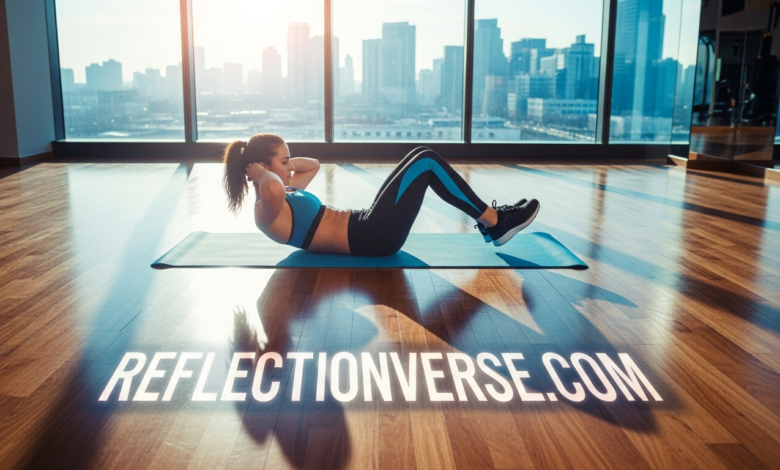
You know that feeling when you look in the mirror and your upper abs are starting to show, but your lower belly still looks soft? You’re not alone. The lower abs are notoriously stubborn, and many people struggle to see definition in this area even when they’re doing everything else right.
Here’s the truth: lower ab workouts require a specific approach. You can’t just do endless crunches and expect your lower belly to flatten. The lower portion of your rectus abdominis needs targeted movements that create the right kind of muscle activation.
In this article, I’ll walk you through the most effective lower ab workouts, explain why certain exercises work better than others, and help you avoid the common mistakes that keep your lower abs from showing. Whether you’re a beginner or you’ve been training for years, you’ll find practical strategies you can use today.
Understanding Your Lower Abs
Before jumping into exercises, let’s talk about what we’re actually working. Your rectus abdominis is one continuous muscle that runs from your ribs to your pelvis. While there isn’t a separate “lower ab muscle,” different exercises emphasize different portions of this muscle.
The lower region of your abs gets activated most effectively when you bring your pelvis toward your ribcage. Think movements like leg raises rather than traditional crunches. This distinction matters because it determines which exercises you should prioritize.
Research published in the Journal of Strength and Conditioning Research shows that exercises involving hip flexion with posterior pelvic tilt create significantly more activation in the lower rectus abdominis. Translation: movements where you lift your hips off the ground while pulling your pelvis under work best.
You also need to understand that visible lower abs require both muscle development and low body fat. Men typically need to get below 10% body fat to see lower ab definition. Women usually need to reach around 18-20%. No amount of lower ab workouts will reveal definition if there’s a layer of fat covering the muscle.
The Most Effective Lower Ab Workouts
Reverse Crunches
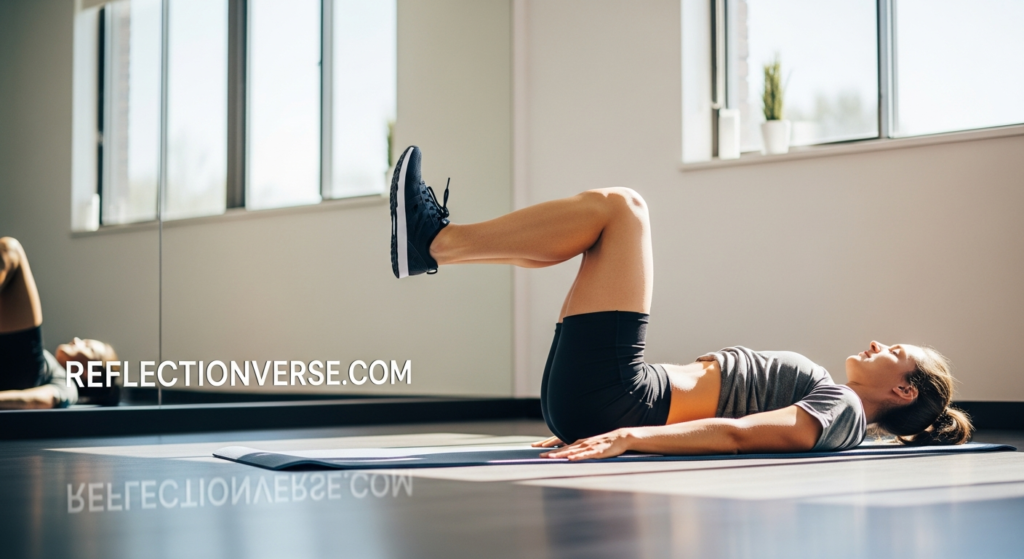
Reverse crunches are my go-to recommendation for lower ab development. Unlike regular crunches where you lift your shoulders, reverse crunches involve lifting your hips off the ground.
Here’s how to do them correctly:
Lie on your back with your hands by your sides or under your glutes for support. Bend your knees to 90 degrees with your feet off the ground. Pull your knees toward your chest while lifting your hips off the floor. Focus on using your abs, not momentum. Lower back down with control.
The key is the hip lift. Many people just rock their legs back and forth without actually lifting their pelvis. You should feel your lower back press into the floor at the top of the movement.
Start with 3 sets of 12-15 reps. When this becomes easy, you can hold a medicine ball between your knees or add ankle weights.
Hanging Leg Raises
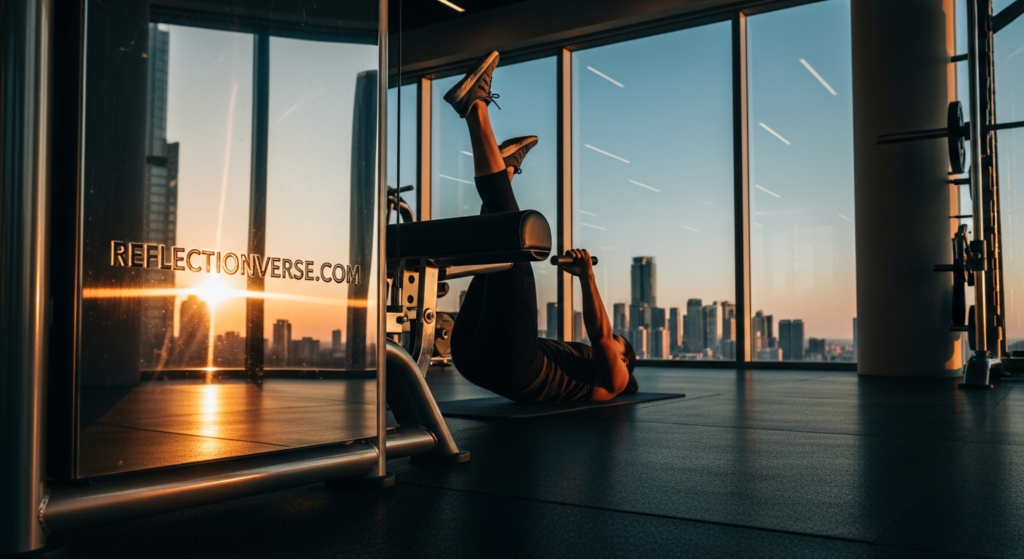
Hanging leg raises are incredibly effective but also challenging. They work your entire core while placing significant emphasis on the lower abs.
Grab a pull-up bar with an overhand grip. Start with your legs straight and together. Keeping your legs as straight as possible, raise them until they’re parallel to the floor or higher. Lower back down with control.
I won’t lie to you: these are tough. If you can’t do them with straight legs yet, bend your knees and perform hanging knee raises instead. This modification still provides excellent lower ab activation while building the strength you need for the full version.
Common mistakes include swinging your body for momentum and using your hip flexors instead of your abs. Focus on initiating the movement from your core, and think about tilting your pelvis backward as you lift.
Aim for 3 sets of 8-12 reps. Quality matters more than quantity with this exercise.
Mountain Climbers
Mountain climbers combine cardio with core strengthening, making them excellent for both muscle activation and fat burning. They work your lower abs dynamically while elevating your heart rate.
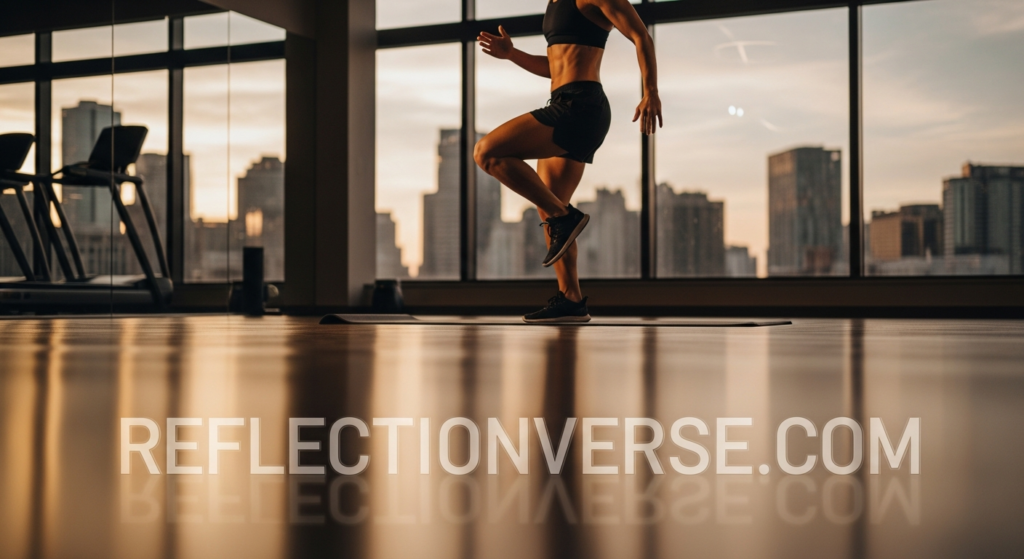
Start in a high plank position with your hands directly under your shoulders. Your body should form a straight line. Drive one knee toward your chest. Quickly switch legs, bringing the other knee forward. Continue alternating at a brisk pace.
The faster you go, the more cardio-focused the exercise becomes. For more lower ab emphasis, slow down and really pull each knee in tight toward your chest. You should feel your abs working to stabilize your body and control the leg movement.
Perform mountain climbers for 30-45 seconds per set, completing 3-4 sets total. They’re also fantastic to include in circuit training or HIIT workouts.
Flutter Kicks
Flutter kicks might look simple, but they create serious lower ab burn when done correctly. This exercise maintains constant tension on your abs throughout the movement.
Lie on your back with your hands under your glutes or by your sides. Lift your legs about 6 inches off the ground. Keep your legs straight and alternate kicking them up and down in small, quick movements. Keep your lower back pressed to the floor.
The lower you hold your legs, the harder your lower abs work. However, if keeping your legs low causes your lower back to arch, raise them slightly higher. Proper form always trumps difficulty level.
I recommend starting with 30-second intervals and gradually working up to 60 seconds. Complete 3-4 sets with 30 seconds rest between sets.
Bicycle Crunches
While bicycle crunches work your entire core, they provide excellent lower ab stimulation when performed correctly. They also engage your obliques for comprehensive core development.
Lie on your back with your hands behind your head. Lift your shoulders off the ground and raise your legs. Bring your right elbow toward your left knee while straightening your right leg. Switch sides in a pedaling motion.
The mistake most people make is going too fast and losing the contraction. Slow down and really twist your torso with each rep. Your lower abs work to stabilize and control your leg movements throughout the exercise.
Perform 3 sets of 20 reps (10 per side). Focus on quality movement rather than speed.
Advanced Lower Ab Exercises
Dragon Flags
Dragon flags are one of the most challenging core exercises you can do. Bruce Lee reportedly used them, and they’ll absolutely test your lower ab strength.
Lie on a bench and grab the bench behind your head. Lift your entire body up so only your upper back and shoulders touch the bench. Keep your body straight as you slowly lower down. Stop before your body touches the bench and raise back up.
Most people need to build up to full dragon flags. Start with negatives where you only perform the lowering portion, or tuck your knees to make the movement easier.
If you can do 3 sets of 5-8 full dragon flags, your core strength is exceptional.
L-Sits
L-sits build incredible lower ab and hip flexor strength while improving overall core stability. You can perform them on parallettes, dip bars, or even on the floor.
Sit on the ground with your legs straight in front of you. Place your hands on the floor beside your hips. Press down through your hands and lift your entire body off the ground. Hold your legs straight out in front of you, forming an “L” shape.
Start by just lifting yourself up and holding for a few seconds. As you get stronger, work toward holding the full L-sit for 20-30 seconds.
Perform 3-5 sets, resting as needed between attempts.
Ab Wheel Rollouts
The ab wheel rollout creates intense tension throughout your entire core, with significant lower ab activation when done properly. This exercise also builds shoulder stability and back strength.
Kneel on the ground holding an ab wheel. Roll the wheel forward, extending your body. Keep your core tight and don’t let your lower back sag. Pull yourself back to the starting position using your abs.
Many people struggle with ab wheel rollouts at first. If needed, start with shorter rollouts or perform them against a wall to limit your range of motion.
Work up to 3 sets of 10-12 reps with proper form.
Creating an Effective Lower Ab Workout Routine
You don’t need to do every lower ab exercise in one workout. In fact, doing too much can lead to overtraining and diminishing returns. Your abs are muscles that need recovery time just like any other muscle group.
I recommend training your lower abs 2-3 times per week. Here’s a sample routine you can follow:
Beginner Routine:
- Reverse crunches: 3 sets of 12-15 reps
- Mountain climbers: 3 sets of 30 seconds
- Flutter kicks: 3 sets of 30 seconds
- Dead bug: 3 sets of 10 reps per side
Intermediate Routine:
- Hanging knee raises: 3 sets of 10-12 reps
- Bicycle crunches: 3 sets of 20 reps
- Reverse crunches: 3 sets of 15 reps
- Plank to pike: 3 sets of 10 reps
Advanced Routine:
- Hanging leg raises: 3 sets of 10-12 reps
- Dragon flag negatives: 3 sets of 5 reps
- Ab wheel rollouts: 3 sets of 10 reps
- L-sit holds: 5 sets of maximum time
Rest 45-60 seconds between sets for strength-focused work. For endurance-based exercises like flutter kicks, you can reduce rest to 30 seconds.
Common Mistakes to Avoid
Using Momentum Instead of Muscle
The biggest mistake I see with lower ab workouts is people swinging or using momentum to complete reps. This might make the exercise feel easier, but it drastically reduces the effectiveness.
Every rep should be controlled. If you can’t do an exercise with proper form, choose an easier variation. Ten quality reps beat twenty sloppy reps every single time.
Neglecting Diet
You’ve probably heard that abs are made in the kitchen, and there’s real truth to this. You can have incredibly strong, developed lower abs that never show because of excess body fat.
Lower ab workouts build the muscle. Proper nutrition reveals it. You need to maintain a caloric deficit if fat loss is your goal. Focus on whole foods, adequate protein intake, and consistent eating habits.
No amount of reverse crunches will outwork a poor diet. I learned this the hard way early in my fitness journey.
Forgetting About Upper Abs and Obliques
Your core works as a unit. While targeting your lower abs is smart, completely neglecting other core muscles creates imbalances. Include exercises that work your upper abs, obliques, and deep core muscles for complete development.
A comprehensive core routine produces better results than exclusively hammering your lower abs. Balance is key for both aesthetics and functional strength.
Holding Your Breath
Proper breathing matters more than most people realize. Holding your breath during lower ab exercises increases intra-abdominal pressure and can lead to dizziness or headaches.
Exhale during the exertion phase of each exercise. For reverse crunches, breathe out as you lift your hips. For leg raises, exhale as your legs come up. This breathing pattern helps activate your deep core muscles and improves performance.
The Role of Cardio and Overall Fitness
Lower ab workouts alone won’t create the midsection you want. Cardiovascular exercise plays a crucial role in reducing overall body fat percentage, which directly impacts lower ab visibility.
You don’t need to run marathons. Activities like brisk walking, cycling, swimming, or HIIT workouts all contribute to fat loss when combined with proper nutrition. Aim for at least 150 minutes of moderate-intensity cardio per week, or 75 minutes of vigorous activity.
The combination of targeted lower ab workouts, full-body strength training, regular cardio, and proper nutrition creates the best results. Think of it as a three-legged stool: all components need to be present for stability.
Tracking Your Progress
Progress with lower ab workouts isn’t always visible immediately. You might build significant strength before you see aesthetic changes. That’s completely normal and expected.
Track your progress beyond just looking in the mirror. Note how many reps you can complete, how long you can hold exercises, and which variations you can perform. Strength improvements indicate you’re on the right path.
Take progress photos every 4 weeks in consistent lighting and conditions. Small changes that aren’t obvious day-to-day become clear when you compare photos over time. Measurements around your waist can also provide objective data about your progress.
Remember that factors like water retention, sodium intake, and where you are in your menstrual cycle (for women) can all affect how your lower abs look on any given day. Don’t let daily fluctuations discourage you.
When to Expect Results
Everyone wants to know how long it takes to see results from lower ab workouts. The honest answer is that it varies based on your starting point, consistency, genetics, and adherence to nutrition.
If you’re relatively lean already, you might see increased definition within 4-6 weeks of consistent training. If you need to lose body fat first, the timeline extends accordingly. Losing 1-2 pounds per week through proper diet while maintaining your lower ab workout routine is a sustainable approach.
Most people who train consistently and eat properly start seeing noticeable changes within 8-12 weeks. Significant transformation typically takes 3-6 months. Don’t expect overnight miracles, but do expect steady progress if you put in the work.
Conclusion
Lower ab workouts require patience, consistency, and the right approach. The exercises I’ve shared target your lower abs effectively when performed with proper form and adequate intensity. Reverse crunches, hanging leg raises, and mountain climbers should form the foundation of your routine, while more advanced movements like dragon flags can be added as you progress.
Remember that visible lower abs require both muscle development and fat loss. You need targeted exercises to build the muscle and proper nutrition to reveal it. Neither component works effectively without the other.
Start with exercises that match your current fitness level. Focus on perfect form over high rep counts. Train your lower abs 2-3 times per week and give them adequate recovery. Most importantly, stay consistent and trust the process.
What’s your biggest challenge with lower ab development? Are you struggling with specific exercises, or is nutrition your main obstacle? Understanding your specific barriers helps you create a plan that actually works for your situation.
Frequently Asked Questions
How often should I do lower ab workouts? Train your lower abs 2-3 times per week. Your abs need recovery time like any other muscle group. More frequent training doesn’t necessarily produce faster results and can lead to overtraining.
Can I do lower ab exercises every day? You can perform light core work daily, but intense lower ab workouts should have rest days between sessions. Daily heavy training prevents adequate recovery and can actually slow your progress.
Why can’t I see my lower abs even though I work out? Visible lower abs require low body fat levels. Men typically need below 10% body fat and women around 18-20% to see lower ab definition. If you’re training hard but not seeing results, focus on your nutrition and overall body fat reduction.
Are lower ab workouts enough to lose belly fat? No. Spot reduction doesn’t work. Lower ab exercises strengthen and build muscle, but you need a caloric deficit through diet and overall exercise to lose belly fat. Combine targeted ab work with cardio and strength training for best results.
How long does it take to see results from lower ab workouts? With consistent training and proper nutrition, most people notice changes within 8-12 weeks. Your starting point, genetics, and adherence to both exercise and diet determine your specific timeline.
What’s the best single exercise for lower abs? Hanging leg raises are often considered the most effective lower ab exercise due to the high level of activation they create. However, the best exercise is the one you can perform with proper form consistently.
Do I need equipment for lower ab workouts? No. Effective lower ab exercises like reverse crunches, flutter kicks, and bicycle crunches require no equipment. A pull-up bar enhances your options but isn’t necessary for building strong lower abs.
Should women train lower abs differently than men? The same exercises work effectively for both men and women. The main difference is that women naturally carry higher essential body fat, so visible lower abs typically require around 18-20% body fat versus 10% for men.
Can I get lower abs without changing my diet? You can build strong lower ab muscles without dietary changes, but you won’t see them if they’re covered by body fat. Building the muscle is only half the equation; revealing it through fat loss requires proper nutrition.
How many reps should I do for lower ab exercises? For strength and muscle building, aim for 8-15 reps per set. For endurance-based exercises like flutter kicks or mountain climbers, work in 30-60 second intervals. Quality always matters more than quantity.
Also read reflectionverse.com
