


Introduction
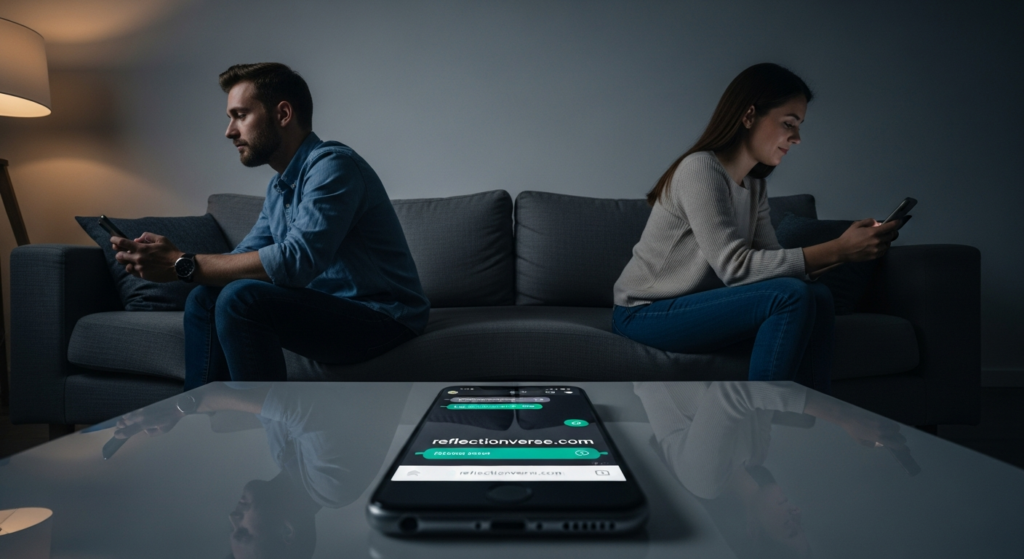
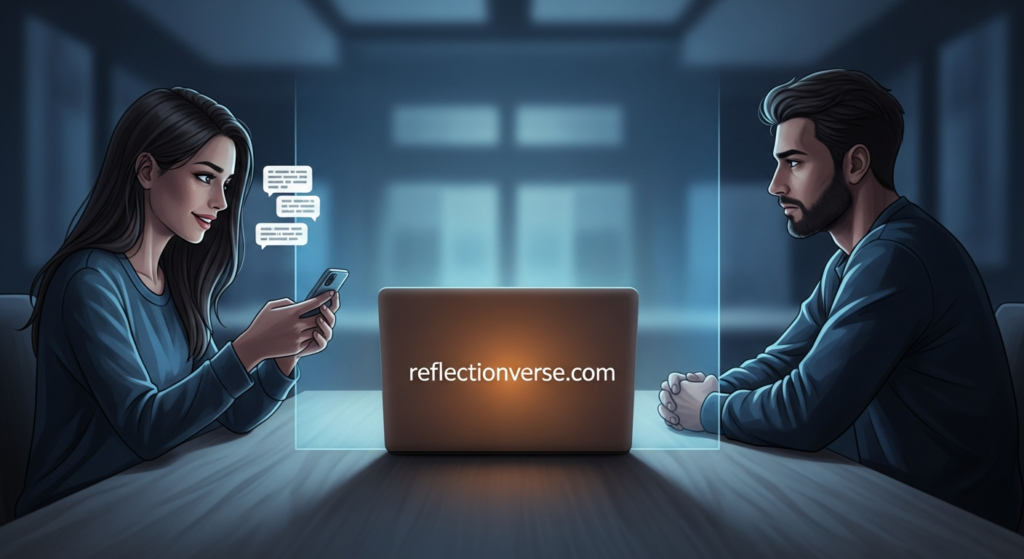
You’ve noticed something’s off. Your partner seems distant, constantly texting someone from work, sharing jokes you’re not part of. They light up when that person’s name appears on their phone. Yet nothing physical has happened. So why does it feel like betrayal?
This is emotional cheating, and it’s just as damaging as a physical affair. Sometimes even more so.
Emotional cheating happens when someone forms a deep emotional connection with someone outside their relationship. It crosses boundaries that should be reserved for a committed partner. The emotional intimacy, the secrets, the special bond—all of it belongs somewhere else now.
In this article, you’ll learn what emotional cheating really means. We’ll explore the warning signs, understand why people do it, and discuss how to address it. Whether you’re worried about your own relationship or trying to understand what happened, you’ll find clarity here.
What Is Emotional Cheating?
Emotional cheating is when you develop a romantic or emotionally intimate connection with someone who isn’t your partner. It doesn’t involve physical contact. But it does involve sharing thoughts, feelings, and experiences in ways that create secrecy and distance in your primary relationship.
Think of it this way. You turn to someone else for emotional support instead of your partner. You share your deepest fears and dreams with them. You think about them constantly. You prioritize their needs and feelings over your partner’s.
The line between friendship and emotional cheating can seem blurry. But there’s a clear difference. Friendships are transparent. Your partner knows about them and feels comfortable with them. Emotional affairs involve secrecy, romantic tension, and a sense that you’re doing something you shouldn’t be.
Research from the American Association for Marriage and Family Therapy shows that emotional affairs are increasingly common. With social media and messaging apps, it’s easier than ever to maintain intense emotional connections outside your relationship. You don’t even need to meet in person.
What makes emotional cheating so damaging is the betrayal of trust. You’ve given your emotional energy to someone else. Your partner feels replaced, not just physically, but in the deeper ways that truly matter.

Warning Signs of Emotional Cheating
How do you know if emotional cheating is happening? The signs are often subtle at first. But they add up quickly.
Secrecy and hiding communication. You or your partner delete texts, use private browsing, or hide phone screens. There’s a need to keep certain conversations secret. If you feel guilty about what you’re sharing with someone, that’s a red flag.
Emotional distance from your partner. You stop sharing your day, your feelings, or your problems with your partner. Instead, you save those conversations for someone else. Your partner notices you’re less present, less interested in connecting.
Constantly thinking about the other person. They’re on your mind when you wake up and before you sleep. You wonder what they’re doing. You look forward to talking to them more than spending time with your partner.
Comparing your partner to the other person. You start noticing everything your partner does wrong. Meanwhile, the other person seems perfect. You wish your partner was more like them.
Sharing intimate details about your relationship. You complain about your partner to this other person. You discuss problems in your relationship that you haven’t even addressed with your partner. This creates an “us against them” dynamic.
Lying or downplaying the relationship. When your partner asks about this person, you minimize the connection. You lie about how often you talk or what you discuss. You know if you were honest, your partner would be hurt.
Physical signs of attraction. Even without physical contact, you might notice butterflies when you see them. You dress differently on days you’ll see them. There’s tension that feels romantic.
Why Emotional Cheating Happens
Understanding why emotional cheating occurs doesn’t excuse it. But it helps you address the root causes.
Unmet emotional needs. Many emotional affairs start because something is missing at home. You don’t feel heard, appreciated, or understood by your partner. Someone else starts filling that void.
According to relationship expert Dr. Shirley Glass, emotional affairs often begin innocently. You connect with a coworker or friend. They listen to you in ways your partner doesn’t. Over time, that connection deepens into something more.
Lack of communication in the primary relationship. When couples stop talking about important things, they drift apart. You might feel lonely even while in a relationship. That loneliness makes you vulnerable to emotional connections elsewhere.
Excitement and novelty. Long-term relationships can feel routine. A new emotional connection brings excitement. You feel seen in a fresh way. The other person doesn’t know all your flaws yet. Everything feels easier.
Validation and ego boost. Someone new finds you interesting, attractive, or special. That attention feels good, especially if you’ve been feeling taken for granted. The emotional affair becomes an escape from insecurities.
Poor boundaries. Some people don’t realize they’re crossing a line until it’s too late. They think having a close friend of the opposite sex (or same sex, if you’re attracted to them) is harmless. But without clear boundaries, friendships can evolve into something inappropriate.
Avoidance of relationship problems. Instead of addressing issues with your partner, you avoid them. The emotional affair becomes a distraction. It’s easier to get validation elsewhere than to do the hard work of fixing things at home.
The Impact on Relationships
Emotional cheating devastates relationships in profound ways.
Broken trust. Trust is the foundation of any relationship. When emotional cheating is discovered, that foundation crumbles. Your partner questions everything. Were you lying about other things? How long has this been going on?
Rebuilding trust after emotional infidelity takes time. Often years. Some relationships never fully recover.
Intense emotional pain. Many people say emotional cheating hurts more than physical affairs. Your partner feels replaced in the deepest sense. They wonder what they did wrong. They question if you ever really loved them.
Impact on self-esteem. The betrayed partner often experiences a drop in self-worth. They compare themselves to the other person. They wonder why they weren’t enough.
Communication breakdown. After discovery, communication becomes difficult. Every conversation feels loaded. The hurt partner may withdraw or become accusatory. The person who cheated may become defensive.
Relationship uncertainty. Both people question whether the relationship can survive. The betrayed partner wonders if they can ever trust again. The person who cheated may question their own commitment.
Research published in the Journal of Couple and Relationship Therapy found that emotional infidelity creates similar levels of distress as physical affairs. Sometimes the emotional betrayal feels worse because it represents a deeper rejection.
How Emotional Cheating Differs from Physical Affairs
While both are forms of infidelity, emotional and physical cheating have key differences.
Nature of the betrayal. Physical affairs involve sexual contact. Emotional affairs involve deep emotional intimacy and connection. One betrays the body; the other betrays the heart and mind.
Awareness and intent. Physical affairs usually involve a clear choice to cross a line. Emotional affairs often develop gradually. You might not realize you’ve crossed into inappropriate territory until you’re already there.
Recovery challenges. Some people find it easier to forgive physical affairs, seeing them as mistakes driven by lust. Emotional affairs can feel more threatening because they suggest your partner fell in love with someone else.
Social perception. Society often views physical cheating as the “real” infidelity. This can make emotional cheating victims feel invalidated. They’re told nothing physical happened, so it’s not as bad. But the pain is just as real.
Dr. Janis Spring, author of “After the Affair,” notes that emotional affairs often pose a greater threat to relationships. They involve the transfer of intimacy that should be shared between partners.
Addressing Emotional Cheating
If you’ve discovered emotional cheating in your relationship, here’s how to move forward.
Acknowledge what happened. Denial or minimizing won’t help. The person who engaged in the emotional affair needs to acknowledge they crossed a boundary. Validation of the hurt is crucial.
End the inappropriate relationship. The emotional affair must stop completely. That means cutting off contact with the other person. No more texts, calls, or meetings. This is non-negotiable if you want to save your relationship.
Be transparent. The person who cheated needs to be completely open now. Share passwords, be honest about whereabouts, and answer questions. Transparency helps rebuild trust.
Communicate openly about feelings. Both partners need to express their emotions. The betrayed partner may feel angry, sad, or confused. Those feelings are valid. The person who cheated might feel guilt, shame, or confusion about their own feelings.
Seek to understand the why. What needs weren’t being met? What made someone vulnerable to an emotional affair? Understanding this helps prevent it from happening again.
Rebuild your emotional connection. Start investing in your relationship again. Have meaningful conversations. Share your thoughts and feelings with your partner. Recreate the emotional intimacy that was lost.
Consider couples therapy. A trained therapist can guide you through this difficult time. They provide tools for communication, trust-building, and healing. Many couples find professional help essential for recovery.
Give it time. Healing doesn’t happen overnight. There will be setbacks. The betrayed partner may have triggers or moments of intense emotion. Be patient with the process.
Preventing Emotional Cheating
Prevention is always better than damage control. Here’s how to protect your relationship.
Maintain strong boundaries. Be clear about what’s appropriate in friendships. Don’t share intimate details about your relationship with others. Keep emotional intimacy reserved for your partner.
Prioritize your relationship. Make your partner your go-to person for support and connection. When something happens, they should be the first person you want to tell.
Communicate regularly and deeply. Don’t let your relationship become superficial. Talk about feelings, dreams, fears, and daily life. Keep that emotional connection strong.
Address problems early. If you’re feeling disconnected or unhappy, talk about it. Don’t let resentment build. Work together to solve problems before you’re tempted to seek emotional comfort elsewhere.
Be aware of red flags. Notice if you’re developing feelings for someone else. If you look forward to seeing them more than your partner, that’s a warning sign. Take action before lines are crossed.
Nurture your friendship with your partner. Remember why you fell in love. Make time for fun, laughter, and shared experiences. The stronger your friendship, the less vulnerable you are to emotional affairs.
Practice gratitude. Focus on what’s good about your partner and relationship. When you cultivate appreciation, you’re less likely to take your partner for granted.
The Gottman Institute research shows that couples who maintain friendship and emotional connection are significantly less likely to experience infidelity of any kind.
Moving Forward After Emotional Cheating
Recovery is possible, but it requires commitment from both partners.
The person who cheated must do the work. This means being patient with your partner’s pain. It means being transparent even when it’s uncomfortable. It means proving through consistent actions that you’re committed to change.
The betrayed partner must decide if they can forgive. Forgiveness doesn’t mean forgetting. It means choosing to move forward despite the hurt. Not everyone can do this, and that’s okay. You have to decide what’s right for you.
Set new relationship agreements. Discuss and agree on boundaries going forward. What does appropriate friendship look like? How will you maintain transparency? What will you do if either of you feels disconnected again?
Focus on rebuilding intimacy. This takes time and intention. Start small with honest conversations and quality time together. As trust rebuilds, deeper intimacy will follow.
Watch for patterns. If emotional cheating has happened before, or if the person who cheated isn’t truly committed to change, you might be facing a bigger problem. Sometimes the kindest thing is to acknowledge when a relationship can’t be saved.
Many couples emerge from emotional infidelity with stronger relationships. The crisis forces them to address issues they’d been avoiding. They learn to communicate better. They recommit to each other more intentionally.
But this only happens when both people are willing to do the hard work.
Conclusion
Emotional cheating is a real and devastating form of betrayal. It happens when someone shares emotional intimacy, secrets, and connection with someone outside their committed relationship. The signs include secrecy, emotional distance, constant thoughts of the other person, and lying about the relationship.
Understanding why emotional cheating happens helps you address it. Unmet needs, poor communication, and weak boundaries all contribute. The impact on relationships is profound, breaking trust and causing deep emotional pain.
Recovery requires ending the inappropriate relationship, being transparent, communicating openly, and rebuilding your connection. Prevention means maintaining boundaries, prioritizing your partner, and addressing problems early.
Whether you’re dealing with emotional cheating now or want to protect your relationship from it, remember this. Emotional intimacy is precious. It’s the heart of your relationship. Guard it carefully. Invest in it daily. And if you’ve experienced betrayal, know that healing is possible with honesty, commitment, and time.
Have you experienced emotional cheating in your relationship? What helped you move forward? Your story could help someone else going through the same struggle.
FAQs
Is emotional cheating as bad as physical cheating?
Yes, emotional cheating can be just as damaging as physical affairs, sometimes more so. It represents a deeper betrayal of intimacy and trust. Many people feel more hurt by emotional affairs because it means their partner developed feelings for someone else, not just physical attraction.
Can you have close friends while in a relationship?
Absolutely. Healthy friendships are important. The difference is transparency and boundaries. Your partner should know about your friends and feel comfortable with those relationships. If you’re hiding conversations or developing romantic feelings, that’s when friendship crosses into emotional cheating territory.
How do you know if you’re emotionally cheating?
Ask yourself these questions: Would I feel comfortable if my partner saw all my conversations with this person? Am I sharing things with them that I should be sharing with my partner? Do I have romantic feelings for them? If you’re hiding the relationship or would feel guilty if discovered, you’re likely emotionally cheating.
Can a relationship recover from emotional cheating?
Yes, many relationships recover and even become stronger. Recovery requires ending the emotional affair, being completely transparent, communicating openly, and rebuilding trust. Both partners must commit to the healing process. Professional counseling often helps significantly.
What should I do if I’m attracted to someone else?
Being attracted to others is normal and doesn’t mean you’re cheating. What matters is how you handle it. Don’t pursue the attraction. Limit contact with that person if possible. Invest more energy in your relationship. If attraction is persistent and causing problems, talk to your partner or a therapist about it.
Is texting someone else considered cheating?
It depends on the content and nature of the texts. Friendly, transparent communication isn’t cheating. But if you’re texting someone constantly, sharing intimate details, hiding the conversations, or engaging in flirtatious exchanges, that crosses into emotional cheating.
How long does it take to heal from emotional infidelity?
Healing varies for each couple but typically takes at least one to two years. Some relationships recover faster; others take longer. Factors include the depth of the emotional affair, both partners’ commitment to healing, and whether professional help is sought. Be patient with the process.
Should you stay with someone who emotionally cheated?
This is a personal decision only you can make. Consider whether the person is truly remorseful, willing to end the inappropriate relationship, and committed to rebuilding trust. Some relationships survive and thrive after emotional infidelity. Others don’t. Trust your instincts about what’s right for you.
Can you emotionally cheat without realizing it?
Yes, emotional affairs often start innocently. You might not realize you’ve crossed boundaries until you’re already emotionally involved. The key is being aware of your feelings and the nature of outside relationships. If something feels like it’s becoming more than friendship, address it immediately.
What’s the difference between venting to a friend and emotional cheating?
Venting to friends is healthy and normal. Emotional cheating involves consistently turning to one specific person for emotional support instead of your partner, sharing intimate relationship details, developing romantic feelings, and creating secrecy around the relationship. Occasional venting to trusted friends is fine; replacing your partner’s role isn’t.
Also read reflectionvesre.com
