
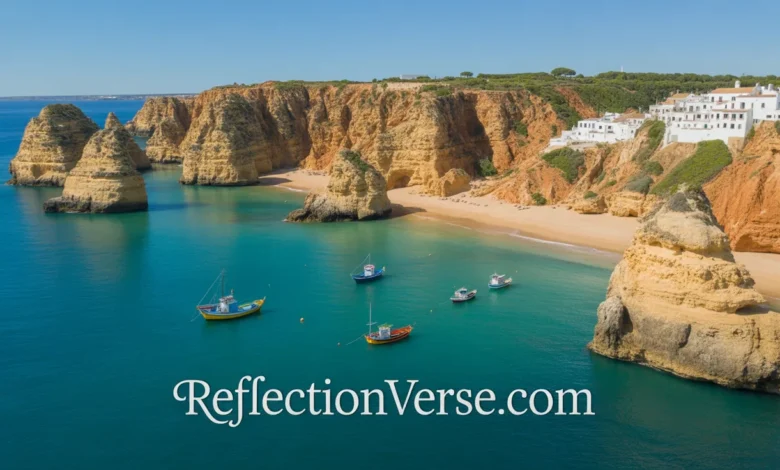
Discover Algarve Portugal: Your Ultimate Guide to Portugal’s Golden Coast 2026

Introduction
Picture yourself standing on golden cliffs, watching the Atlantic crash against ancient rock formations while the Portuguese sun warms your face. That’s Algarve Portugal in a nutshell—a destination that feels like Europe’s best-kept secret, even though millions visit each year.
If you’re wondering whether Algarve Portugal deserves a spot on your travel bucket list, I can tell you from experience: absolutely yes. This southern slice of Portugal offers something rare in today’s world of over-touristed destinations. You get pristine beaches, authentic culture, incredible food, and surprising affordability all wrapped into one stunning package.
This guide walks you through everything you need to know about Algarve Portugal. We’ll cover the best towns to visit, hidden beaches that locals love, practical travel tips, and how to experience this region like someone who actually lives there.
What Makes Algarve Portugal Special
Algarve Portugal stretches along Portugal’s southernmost coast for roughly 150 kilometers. The region boasts over 300 days of sunshine annually, making it one of Europe’s sunniest destinations.
But sunshine alone doesn’t explain why Algarve Portugal has become such a magnetic travel destination. The real magic comes from its diversity.
You can surf world-class waves in the morning, explore medieval towns at lunch, and watch the sunset from dramatic limestone cliffs by evening. Each town in Algarve Portugal has its own personality. Some are sleepy fishing villages. Others buzz with nightlife and modern amenities.
The coastline itself tells different stories depending on where you stand. The western coast faces the wild Atlantic with rugged cliffs and powerful waves. The southern coast offers calmer waters, golden sand beaches, and those famous rock formations you’ve probably seen in travel photos.
What I appreciate most about Algarve Portugal is how it balances tourism with authenticity. Yes, certain areas cater heavily to visitors. But venture slightly off the beaten path and you’ll find traditional Portugal alive and well.
Best Towns and Cities in Algarve Portugal
Lagos
Lagos might be the most well-rounded town in Algarve Portugal. This coastal gem combines historical significance with beach life and nightlife.
The old town features cobblestone streets, 16th-century churches, and remnants of ancient city walls. Walk five minutes in any direction and you’ll reach some of Portugal’s most photographed beaches.
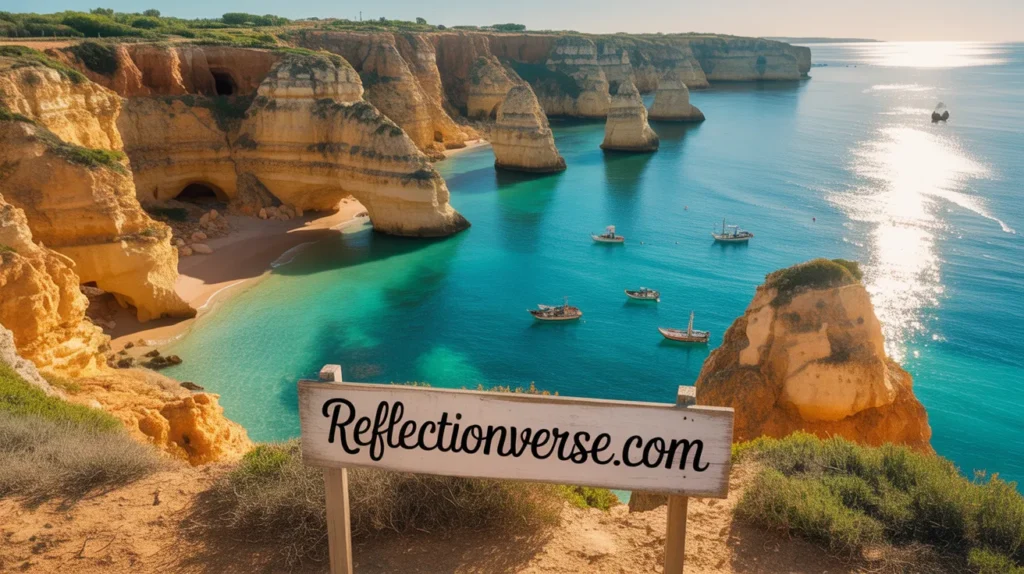
Praia Dona Ana showcases those iconic golden cliffs and turquoise water. Ponta da Piedade offers dramatic rock formations you can explore by kayak or boat tour.
Lagos works well as a base for exploring Algarve Portugal. The town has excellent restaurants, accommodation for every budget, and a social atmosphere that attracts travelers from around the world.
Tavira
Tavira represents the quieter, more traditional side of Algarve Portugal. This town sits along the Gilão River, connected to the ocean by a narrow channel.
Tavira’s architecture reflects Moorish influences through its distinctive pyramid roofs and whitewashed buildings. The Roman Bridge (actually rebuilt in the 17th century) connects the two sides of town and serves as a central gathering point.
What makes Tavira special is its authentic Portuguese character. You won’t find mega-resorts or party boats here. Instead, expect fresh seafood restaurants, local markets, and beaches accessible by ferry.
Ilha de Tavira, a barrier island offshore, stretches for 11 kilometers of uninterrupted sand. The beaches here feel more spacious and less crowded than other parts of Algarve Portugal.
Faro
Faro serves as the capital of Algarve Portugal and hosts the region’s main airport. Most travelers pass through quickly, but Faro deserves more attention.
The old town (Cidade Velha) sits within medieval walls and contains beautiful squares, a cathedral, and the fascinating Capela dos Ossos—a chapel decorated with human bones.
Faro also provides access to Ria Formosa Natural Park, a protected lagoon system that’s one of Portugal’s natural treasures. You can take boat trips through the park to spot flamingos, explore deserted islands, and swim in crystal-clear waters.
The city offers a more local experience than tourist-heavy towns. Prices are lower, crowds are thinner, and you get a genuine taste of everyday life in Algarve Portugal.
Albufeira
Albufeira sits at the opposite end of the spectrum from Tavira. This is Algarve Portugal‘s party central, especially during summer months.
The town has transformed from a fishing village into a bustling resort destination. The old town maintains some charm with its clifftop location and narrow streets. But modern Albufeira focuses on tourism.
If you want nightclubs, beach bars, water sports, and a social atmosphere, Albufeira delivers. Families also appreciate the variety of activities and organized tours available here.
Popular beaches include Praia dos Pescadores right in town and Praia da Falésia, a stunning stretch of red cliffs and golden sand that extends for six kilometers.
Sagres
Sagres occupies the southwestern corner of Algarve Portugal—and of Europe itself. This small town feels windswept and remote in the best possible way.
Surfers flock to Sagres for consistent waves and a laid-back vibe. The town has fewer traditional tourist attractions but plenty of natural beauty.
Cape St. Vincent, just west of Sagres, marks the southwestern tip of continental Europe. Standing at the lighthouse here feels genuinely dramatic, especially at sunset when the Atlantic seems to stretch forever.
Sagres works perfectly if you’re seeking a quieter experience in Algarve Portugal. The pace is slower, the crowds are smaller, and nature takes center stage.
Best Beaches in Algarve Portugal
Algarve Portugal contains roughly 150 beaches. You could spend months exploring them all. Here are the ones that stand out.
Praia da Marinha
Often listed among Europe’s most beautiful beaches, Praia da Marinha delivers on the hype. Golden cliffs frame perfect turquoise water, and rock formations create natural arches and caves.
Access requires walking down a steep wooden staircase. This keeps crowds somewhat manageable even in peak season. Arrive early morning for the best experience.
Praia de Benagil
Benagil Beach is famous for one thing: the Benagil Cave. This massive sea cave features a circular skylight that allows sunshine to pour onto the sand floor inside.
You can’t reach the cave interior from Benagil Beach itself. Instead, book a kayak tour or boat trip from nearby towns. Many tours of Algarve Portugal include Benagil Cave as a highlight.
Praia do Camilo
Near Lagos, Praia do Camilo requires descending about 200 wooden steps. The effort pays off with an intimate beach surrounded by sculpted cliffs.
The beach splits into smaller coves at low tide. You can explore rock tunnels connecting different sections. Swimming here feels like discovering a secret spot in Algarve Portugal.
Praia da Falésia
This beach stretches for six kilometers beneath striking red and white cliffs. The length means you can always find space, even during busy periods.
Beach bars and restaurants dot the area. You can rent loungers and umbrellas or bring your own setup. The cliff colors create amazing photo opportunities, especially in golden hour light.
Praia da Bordeira
On the western coast, Bordeira offers something different from typical Algarve Portugal beaches. The Atlantic here brings bigger waves and cooler water.
The beach stretches wide and far, backed by dunes rather than cliffs. Surfers appreciate the consistent conditions. The nearby village of Carrapateira provides basic amenities and authentic Portuguese atmosphere.
What to Eat in Algarve Portugal
Food in Algarve Portugal centers around fresh seafood, but the cuisine offers much more variety than you might expect.
Cataplana
This seafood stew takes its name from the copper cooking pot used to prepare it. Cataplana typically includes clams, fish, shrimp, chorizo, tomatoes, and peppers. Each restaurant has its own recipe variation.
The dish originated in Algarve Portugal and remains a regional specialty. Order it for two people and share with fresh bread.
Grilled Fish
Simplicity defines Portuguese cooking. Fresh fish grilled over charcoal with olive oil, garlic, and salt needs nothing else.
Common varieties include sea bass (robalo), sea bream (dourada), and sardines. Many restaurants display fresh catch on ice so you can choose your fish.
Percebes
These goose barnacles look strange but taste incredible. Harvesting percebes requires scaling dangerous rocks where waves crash. This difficulty makes them expensive.
The flavor is intensely oceanic and slightly sweet. You eat them by twisting off the outer shell and pulling out the interior meat. Not everyone loves percebes, but trying them counts as a genuine Algarve Portugal experience.
Pastel de Nata
Portugal’s famous custard tarts originated in Lisbon, but you’ll find excellent versions throughout Algarve Portugal. The pastry should be crispy and flaky. The custard should be creamy with a caramelized top.
Eat them warm from the oven, preferably with a coffee. Local bakeries often produce better pastéis de nata than tourist cafes charging double the price.
Piri-Piri Chicken
Portuguese piri-piri sauce combines African bird’s eye chilies with garlic, lemon, and olive oil. The sauce marinates grilled chicken, creating spicy, flavorful meat.
Restaurants specializing in frango piri-piri offer different heat levels. Even the mild version has a kick, so adjust based on your tolerance.
When to Visit Algarve Portugal
Timing your visit to Algarve Portugal significantly impacts your experience.
Summer (June-August)
Peak season brings warm temperatures (25-30°C), busy beaches, and higher prices. European families flood coastal towns during July and August school holidays.
The atmosphere is lively and social. Every restaurant, bar, and attraction operates at full capacity. Beach conditions are perfect with calm seas and guaranteed sunshine.
Accommodation costs increase by 50-100% compared to off-season. Popular beaches get crowded, especially near major towns. You’ll need to book restaurants and activities in advance.
Spring (March-May)
Spring might be the sweet spot for visiting Algarve Portugal. Temperatures range from 18-24°C—warm enough for the beach but not scorching.
Wildflowers bloom across the countryside. Tourist numbers remain manageable. Prices sit at shoulder-season rates, offering better value.
Water temperatures hover around 16-18°C, cooler than summer but swimmable for many people. Some seasonal restaurants and businesses may still be closed in early March.
Fall (September-November)
September extends summer conditions with slightly cooler weather. The ocean actually reaches its warmest temperature in September from months of sun exposure.
Crowds thin out after mid-September when schools restart. Prices drop back to shoulder-season levels. The weather remains reliable through October.
November starts the rainy season, though Algarve Portugal still receives less rain than most of Europe. Some businesses close for winter.
Winter (December-February)
Winter in Algarve Portugal feels mild compared to northern Europe. Daytime temperatures average 15-18°C with plenty of sunny days.
Many Europeans spend winters here escaping harsher climates. The atmosphere is quiet and local. You’ll find excellent deals on accommodation.
Swimming becomes less appealing for most people. Some beaches feel deserted. Certain restaurants and tourist attractions close until spring. But for exploring towns, hiking, and experiencing authentic Portuguese life, winter works beautifully.
Practical Travel Tips for Algarve Portugal
Getting Around
Renting a car provides the most freedom in Algarve Portugal. Public buses connect major towns but limit your ability to explore remote beaches and villages.
Driving in Portugal is straightforward. Roads are well-maintained and signage is clear. Parking in town centers can be challenging during summer but usually costs only a few euros.
Faro Airport serves as the main entry point. Direct flights connect from most European cities, with frequencies increasing during summer. Car rental companies operate from the airport.
Accommodation Options
Algarve Portugal offers accommodation for every budget. Options include luxury resorts, boutique hotels, guesthouses, apartments, and camping.
Booking through local platforms sometimes yields better prices than international sites. Many property owners offer discounts for longer stays or direct bookings.
Location matters significantly. Staying in town centers provides walkable access to restaurants and nightlife. Beach-adjacent properties cost more but deliver convenience. Rural locations offer peace and authenticity.
Money and Costs
Portugal uses the Euro. Algarve Portugal remains more affordable than many Western European destinations, though prices have increased recently.
Budget travelers can manage on €50-70 daily including accommodation, food, and activities. Mid-range budgets of €100-150 provide comfortable experiences. Luxury travelers can spend whatever they wish.
Credit cards are widely accepted. ATMs are common. Tipping isn’t obligatory but rounding up bills or leaving 5-10% for good service is appreciated.
Language
Portuguese is the official language. English proficiency varies but most people in tourist areas speak at least basic English.
Learning a few Portuguese phrases enhances your experience. Locals appreciate the effort even if your pronunciation is terrible. “Obrigado” (thank you), “por favor” (please), and “bom dia” (good morning) go a long way.
Safety
Algarve Portugal is very safe. Violent crime is rare. Petty theft occurs in busy tourist areas, so watch your belongings at beaches and crowded spaces.
Water safety deserves attention. Some Atlantic beaches have strong currents and undertows. Swim only at lifeguarded beaches and respect warning flags.
Hidden Gems in Algarve Portugal
Ria Formosa Natural Park
This protected lagoon system stretches for 60 kilometers along the eastern Algarve Portugal coast. Shallow waters create diverse ecosystems supporting hundreds of bird species.
You can explore by boat, kayak, or walking trails. Several uninhabited islands within the park feature pristine beaches accessible only by ferry or water taxi.
The park receives far fewer visitors than Algarve Portugal’s famous beaches, despite being equally beautiful and far more ecologically interesting.
Silves
This inland town served as the Moorish capital of Algarve Portugal. The red sandstone castle dominates the skyline and provides insight into the region’s complex history.
Silves offers a different pace from coastal towns. The atmosphere is sleepy and traditional. The Saturday market showcases local produce and handicrafts.
Most tourists skip Silves entirely, making it perfect for travelers seeking authentic experiences in Algarve Portugal.
Alte
Often called the prettiest village in Algarve Portugal, Alte nestles in the hills surrounded by almond and orange groves. Whitewashed houses line narrow streets. A natural spring feeds pools where you can swim.
The village maintains traditional character with minimal tourism infrastructure. Visit for lunch at a family-run restaurant, then explore the surrounding countryside.
Odeceixe
This village sits right on the border between Algarve Portugal and Alentejo region to the north. A river meets the ocean here, creating a unique beach where you can choose between calm river swimming or Atlantic surf.
Odeceixe maintains a bohemian, laid-back vibe. The village attracts surfers, families, and people seeking to escape busier parts of Algarve Portugal.
Activities Beyond the Beach
Hiking
The Rota Vicentina offers incredible coastal hiking across western Algarve Portugal. The trail network includes over 400 kilometers of marked paths through cliffs, forests, and fishing villages.
The Fisherman’s Trail follows the coastline closely, offering dramatic ocean views. The Historical Way runs inland through countryside and small towns.
You can tackle multi-day hikes or choose shorter day sections. Spring brings wildflowers and perfect temperatures for walking.
Surfing
Western Algarve Portugal provides excellent surfing conditions. Consistent swells arrive from the Atlantic year-round. The water stays relatively warm compared to other European surf destinations.
Beginners can take lessons at numerous surf schools in Sagres, Lagos, and Aljezur. Experienced surfers find challenging breaks along the western coast.
Winter brings the biggest waves. Summer offers gentler conditions ideal for learning.
Boat Tours
Exploring the Algarve Portugal coastline from the water reveals perspectives you can’t get from land. Boat tours range from quick grotto visits to full-day sailing trips.
Popular options include dolphin watching, sunset cruises, and cave exploration tours. Many boats depart from Lagos, Albufeira, and Portimão.
Booking directly at the marina sometimes offers better prices than online agencies.
Golf
Algarve Portugal has earned reputation as a premier golf destination. Over 40 courses dot the region, many designed by famous architects.
Mild winter weather allows year-round play. Courses range from championship-level challenges to more accessible layouts.
Green fees are significantly lower than comparable courses in other parts of Europe.
Conclusion
Algarve Portugal delivers everything you want from a coastal escape. The beaches genuinely rival any in Europe. The food tastes fresh and authentic. The culture provides depth beyond typical beach destinations. And the value remains surprisingly good.
Whether you’re planning a long summer vacation, a winter escape, or a quick weekend break, Algarve Portugal adapts to your needs. You can fill days with activities or do absolutely nothing but read on the beach.
The region works for solo travelers, couples, families, and groups. Budget backpackers and luxury seekers both find their place here.
If you’re still on the fence about visiting, let me ask you this: What are you waiting for? Algarve Portugal won’t stay this accessible and unspoiled forever. Go now while you can still find quiet beaches and authentic experiences.
Start planning your trip. Research which towns match your interests. Book that flight to Faro. Your Algarve Portugal adventure awaits.
Frequently Asked Questions
How many days do you need in Algarve Portugal?
A minimum of 5-7 days allows you to experience several towns and beaches without rushing. Two weeks lets you explore thoroughly and truly relax. Many visitors find themselves wishing they’d allocated more time.
Is Algarve Portugal expensive?
Compared to Western European destinations like France or Italy, Algarve Portugal offers good value. You’ll spend less than in Lisbon or Porto. Budget €50-70 daily for basic comfort, €100-150 for mid-range experiences.
What is the best month to visit Algarve Portugal?
September combines summer weather with smaller crowds and lower prices. May and June also work excellently with pleasant temperatures and blooming landscapes. July and August are hottest and busiest.
Do I need a car in Algarve Portugal?
A car dramatically improves your experience by enabling access to remote beaches and villages. Buses connect major towns but limit flexibility. If staying in one town the entire visit, you can manage without a car.
Is the water cold in Algarve Portugal?
Atlantic water temperatures range from 15-16°C in winter to 20-22°C in late summer. The southern coast tends slightly warmer than the western coast. Most people find it refreshing rather than cold.
What should I pack for Algarve Portugal?
Bring sunscreen, sunglasses, comfortable walking shoes, swimwear, and light clothing for summer. Add layers and a light jacket for spring/fall. Beach essentials include a towel, water bottle, and hat.
Are there sharks in Algarve Portugal?
Sharks inhabit all oceans, but attacks are extremely rare in Algarve Portugal. The last recorded incident was decades ago. You’re statistically safer swimming here than driving to the beach.
Can you drink tap water in Algarve Portugal?
Yes, tap water is safe to drink throughout Algarve Portugal. The taste varies by area, with some regions having harder water than others. Many locals and visitors prefer bottled water for taste rather than safety.
What language do they speak in Algarve Portugal?
Portuguese is the official language. English is widely spoken in tourist areas, hotels, and restaurants. Learning basic Portuguese phrases enhances your experience and shows respect for local culture.
Is Algarve Portugal good for families?
Absolutely. The region offers calm beaches, water parks, boat tours, safe towns, and family-friendly restaurants. Portuguese culture is welcoming to children. Many hotels and resorts cater specifically to families.
Also read reflectionverse.com
