


Introduction
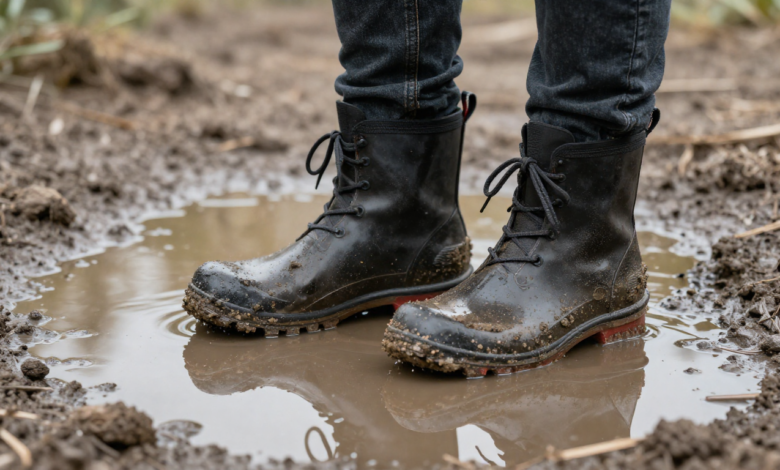
You step off the curb, and your foot lands right in the middle of a puddle. Your regular sneakers soak through in seconds. By the time you reach your destination, you are squelching with every step and your socks feel like wet sponges.
Sound familiar? That one miserable experience is exactly why waterproof shoes exist, and why millions of people swear by them for commuting, hiking, travel, and everyday life.
But here is the thing most buyers do not realize: not all waterproof shoes are created equal. Some keep your feet dry for hours in a downpour. Others offer barely more protection than a regular sneaker after a light drizzle. Knowing what to look for makes the entire difference.
In this guide, you get everything you need to make a smart purchase. We cover how waterproofing technology actually works, the different types of waterproof shoes for different needs, the top brands worth trusting, what to avoid, and how to maintain your shoes so the protection lasts. By the end, you will know exactly which pair is right for you.
How Waterproofing Technology Actually Works
Before you spend your money, it helps to understand what is actually keeping water out. There are two main approaches to waterproofing in footwear, and they work very differently.
Membrane-Based Waterproofing
This is the gold standard. A thin, breathable membrane is bonded to the inside of the shoe between the outer material and the lining. The most famous example is Gore-Tex, used by brands like Salomon, Merrell, HOKA, and many others.
These membranes work by using microscopic pores that are too small for water molecules to pass through but large enough to allow water vapor from sweat to escape. This is what makes them breathable as well as waterproof. You stay dry from the outside in and avoid the sweaty buildup that happens with fully sealed rubber boots.
Gore-Tex, for instance, is tested to withstand at least 28 pounds per square inch of water pressure before failing. That is far more pressure than any rainstorm or puddle can generate.
Other membrane technologies include:
- OutDry by Columbia: The membrane is bonded to the outer material rather than the lining, eliminating the space where water can pool before being absorbed.
- eVent: A direct-bonded membrane similar to OutDry, known for exceptional breathability.
- DWR (Durable Water Repellent): A chemical treatment applied to the outer fabric that causes water to bead and roll off. DWR is a surface treatment, not a full membrane, and it wears off over time with use and washing.
Full Rubber and Sealed Construction
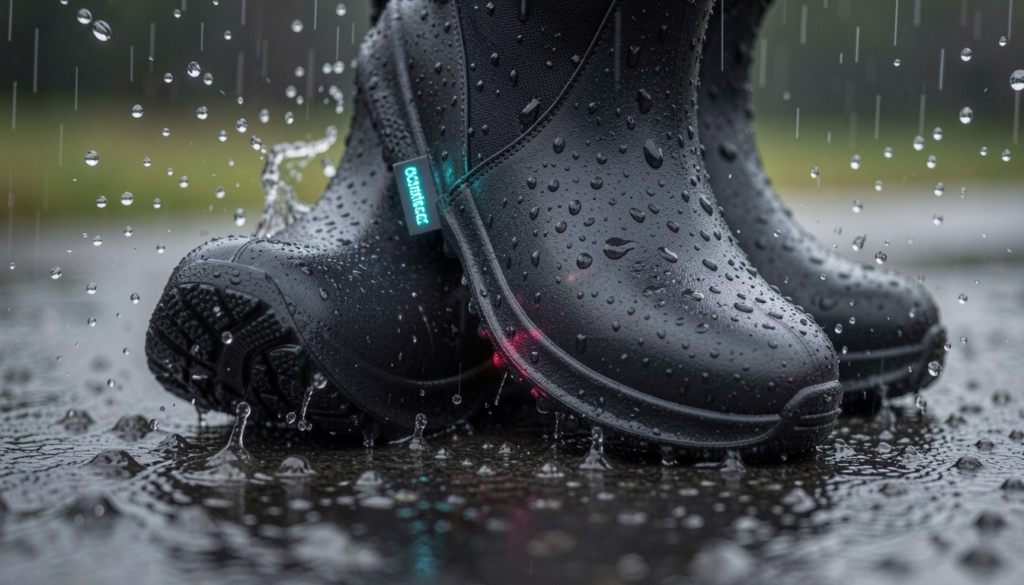
The second approach is simpler. Some waterproof shoes use fully molded rubber or sealed seams with no breathable membrane at all. Think rubber rain boots or neoprene water shoes.
These are completely waterproof but not breathable. They work brilliantly for standing or walking in water for short periods. But for all-day wear or high-activity use, your feet will sweat and become uncomfortable from the inside, even if they stay dry from the outside.
Understanding this distinction helps you choose the right tool for the job.
Types of Waterproof Shoes for Every Situation
Waterproof shoes are not a single category. They come in many forms, and the right type depends entirely on what you need them for.
Waterproof Hiking Shoes and Boots
Hiking is where waterproof footwear has the deepest roots. When you are walking through wet trails, crossing streams, or trekking through morning dew-soaked grass, keeping your feet dry is not just comfortable — it is a safety matter. Wet feet lead to blisters, and blisters can end a hike.
Waterproof hiking shoes combine Gore-Tex or similar membranes with grippy rubber outsoles, sturdy support structures, and durable uppers in leather or synthetic materials. They come in low-cut styles for day hikes and mid to high-cut boots for more demanding terrain or ankle support needs.
Top picks in this category include:
- Merrell Moab 3 Gore-Tex: One of the most popular waterproof hiking shoes ever made. Comfortable from the first wear, excellent grip, and reliable waterproofing.
- Salomon X Ultra 4 GTX: Lightweight, agile, and packed with Salomon’s trail-proven technology alongside a Gore-Tex membrane.
- HOKA Anacapa Low GTX: A newer entry that blends trail performance with cushioned comfort for longer days on the trail.
Waterproof Running Shoes
Running in rain is no fun when water gets into your shoes by mile two. Waterproof running shoes solve this with membranes that keep rain out while still allowing enough breathability for the demands of running.
The trade-off to understand here is weight. Membrane-based waterproofing adds a small amount of weight compared to standard running shoes. For casual or trail runners, this is a non-issue. For competitive speed runners, it may matter.
Strong options include:
- Brooks Cascadia 17 GTX: A trail running favorite with Gore-Tex waterproofing and outstanding traction on wet surfaces.
- Nike Air Zoom Pegasus Gore-Tex: For road runners who want a familiar shoe with added weather protection.
- Altra Lone Peak 8 Waterproof: Excellent for ultrarunners and those who prefer a wide toe box with waterproof protection.
Waterproof Casual and Everyday Shoes
You do not need to be hiking a mountain to benefit from waterproof shoes. If you commute through unpredictable weather, live in a rainy city, or simply want the peace of mind of never worrying about puddles, everyday waterproof shoes are a revelation.
This category has expanded massively in recent years. Brands now offer waterproof sneakers, leather dress shoes, Chelsea boots, loafers, and even slip-on styles with full waterproofing. You no longer have to sacrifice style for dry feet.
Top everyday options include:
- Vessi Weekend Shoes: Lightweight, completely waterproof knit sneakers that look and feel like regular trainers. A personal favorite for city days and travel.
- Blundstone 500 Series: Classic pull-on boots with a leather upper treated for water resistance and a construction that handles most urban weather effortlessly.
- Timberland Premium Waterproof Boot: The iconic yellow boot remains one of the most recognizable waterproof shoes in the world, combining genuine waterproofing with a style that works on trails and city streets alike.
Waterproof Work Shoes and Boots
For people who work outdoors, in construction, landscaping, food service, or any environment where wet conditions are the norm rather than the exception, waterproof work boots are essential safety gear rather than a lifestyle choice.
These shoes prioritize durability, slip resistance, and protection above all else. Many include steel toes or composite safety caps, electrical hazard protection, and outsoles rated for specific industrial conditions.
Key features to look for in waterproof work boots:
- ASTM F2892 or ASTM F2413 safety ratings for protective toe options
- Oil-resistant and slip-resistant outsoles
- Electrical hazard protection if relevant to your work environment
- Waterproof membranes or fully waterproofed leather uppers
Trusted brands in this space include Wolverine, Red Wing, Carhartt, and Thorogood.
Waterproof Winter Boots
When rain turns to slush and snow packs into every gap in your footwear, you need a winter boot with proper waterproofing alongside insulation. Waterproof winter boots combine membranes with materials like Thinsulate or PrimaLoft insulation to keep feet dry and warm simultaneously.
The Sorel Caribou and the Baffin Impact are classics in this space. For a lighter weight option with serious waterproofing, the Kamik Nation Plus delivers exceptional value.
What to Look for When Buying Waterproof Shoes
Knowing which features actually matter saves you from wasting money on marketing claims that do not translate to real-world performance.
1. The Waterproofing Technology
Look for named, tested technologies rather than vague claims. Gore-Tex, OutDry, eVent, and similar membranes have published performance data and established reputations. A shoe described simply as “water-resistant” or “water-repellent” uses a DWR surface treatment that will wear off and does not offer the same protection as a true membrane.
2. Seam Sealing
A waterproof membrane does you no good if water enters through the seams. Fully seam-sealed shoes close off every stitch point where water could sneak in. Critically seam-sealed shoes only seal the most important seams. Look for fully seam-sealed construction for maximum protection in heavy wet conditions.
3. Breathability Rating
Every waterproof shoe involves a trade-off between waterproofing and breathability. Look for the moisture vapor transmission rate (MVTR) if it is published. Higher numbers mean more breathable. For high-activity use like hiking or running, breathability matters more than for casual walking.
4. Outsole Grip
Wet surfaces are slippery surfaces. Your waterproof shoes need an outsole that provides reliable grip in wet, muddy, or slick conditions. Look for multi-directional lug patterns on trail shoes and slip-rated outsoles on work and casual shoes.
Vibram outsoles are widely regarded as a benchmark for grip and durability across hiking and work footwear.
5. Fit and Volume
Waterproof membranes add a thin layer inside the shoe, which can slightly reduce internal volume. If you are between sizes, you may find waterproof versions of your usual shoes feel slightly snugger. Try waterproof shoes on with the socks you intend to wear them with, or order from retailers with easy returns.
6. Weight
Membrane-based waterproofing adds a small amount of weight. For hiking and running, look for brands that have engineered lightweight constructions despite the waterproofing. For work boots and winter boots, weight is less critical than durability.
Top Waterproof Shoe Brands Worth Trusting
The market is crowded, but these brands have consistently delivered on their waterproofing claims and overall quality over many years and thousands of real-world tests.
Gore-Tex partner brands: Salomon, Merrell, HOKA, Brooks, Adidas Terrex, Nike, Scarpa, and La Sportiva all partner with Gore-Tex and use it across key product lines. When you see the Gore-Tex label, you have a verified baseline of performance.
Columbia uses OutDry technology in many of their hiking and casual shoes. OutDry’s outside-in membrane bonding is genuinely innovative and delivers excellent waterproofing with good breathability.
Vessi has built an entire brand around waterproof knit technology. Their shoes look like regular casual sneakers and perform impressively in rain and puddles. They are particularly popular for travel and city commuting.
Timberland remains a household name for good reason. Their proprietary waterproofing on leather boots is robust and time-tested. The Timberland Pro line extends that reliability into the work boot space.
Keen produces waterproof hiking shoes and boots with a particularly generous fit that many hikers with wider feet prefer. Their waterproofing is reliable and their sandal-to-boot range gives you options across seasons.
Common Waterproof Shoe Myths Busted
There is a lot of misinformation out there about waterproof footwear. Here are the most common myths worth clearing up.
Myth 1: Waterproof shoes are always hot and stuffy Not true for membrane-based waterproof shoes. Gore-Tex and similar technologies are specifically designed to be breathable while being waterproof. They are not as breathable as non-waterproof shoes, but they are far from the sweaty sealed experience people often expect.
Myth 2: If water gets in over the top, the shoes have failed Waterproof shoes protect against water penetrating through the material, not against water entering over the collar if you walk through water deeper than the shoe’s height. This is basic physics, not a product failure.
Myth 3: Waterproof shoes do not need any maintenance False. The DWR treatment on the outer surface of even membrane-based waterproof shoes degrades over time and with washing. Regularly reapplying DWR spray restores water beading and extends the life of the shoe’s waterproof performance.
Myth 4: All waterproof shoes look like outdoor boots The casual and lifestyle waterproof shoe market has exploded. You can now find waterproof oxfords, loafers, Chelsea boots, sneakers, and even dress shoes that look completely at home in an office or on a city street.
How to Maintain Your Waterproof Shoes
Buying the right shoes is only half the battle. Proper maintenance keeps the waterproofing working for the long term.
Clean Them Regularly
Dirt and mud clog the pores in breathable membranes and degrade the outer DWR treatment. After each use in muddy or very dirty conditions, rinse your shoes with cool water and use a soft brush to remove debris. Avoid machine washing unless the manufacturer specifically allows it, as agitation and heat can damage both the membrane and the adhesives.
Reapply DWR Treatment
The outer DWR coating that causes water to bead on the surface wears off with use and washing. When you notice water no longer beading and instead soaking into the outer fabric, it is time to reapply. Products like Nikwax Fabric and Leather Proof, Grangers Performance Repel, and Scotchgard Outdoor Water Shield are all effective options.
Apply DWR spray to clean, slightly damp shoes for best results. Allow them to dry naturally or use low heat in a dryer if the manufacturer allows it.
Store Them Properly
Never store waterproof shoes while they are still damp. Bacteria and mold can develop inside the shoe and degrade the membrane over time. After wet use, remove the insoles, stuff the shoes loosely with newspaper to absorb moisture, and allow them to dry at room temperature away from direct heat or sunlight.
Know When to Replace Them
Even the best waterproof shoes have a lifespan. If you notice persistent wet spots appearing inside the shoe despite reapplying DWR, if the outsole shows significant wear, or if the upper material is cracking or delaminating, it is time to replace them. Continuing to use waterproof shoes past their effective lifespan means your feet pay the price.
Waterproof Shoes for Different Climates and Conditions
The right waterproof shoe for Seattle is not the same as the right choice for someone hiking in the Scottish Highlands or commuting in Dubai during monsoon season.
Constant rain and drizzle (Pacific Northwest, UK, Ireland): Prioritize breathability alongside waterproofing. You will wear these shoes for extended periods in sustained wet conditions. Gore-Tex or OutDry membrane shoes with good ventilation design work best. Vessi sneakers are excellent for urban commuting in perpetually damp climates.
Heavy seasonal rain (Monsoon regions, tropical climates): Go with a more robust waterproof construction, potentially a fully sealed or rubber-reinforced option for the most intense rain events, alongside a membrane shoe for lighter daily use.
Cold and wet winters (Canada, Northern Europe, Northern US): You need waterproofing plus insulation. Do not settle for one without the other. Insulated waterproof boots from Sorel, Kamik, or Baffin give you both.
Mixed outdoor and urban use: A versatile waterproof trail shoe like the Merrell Moab or Salomon X Ultra works equally well on weekend hikes and rainy Monday commutes.
Conclusion
Waterproof shoes are one of those purchases that genuinely improves your daily quality of life in ways you do not fully appreciate until you have them. No more wet-sock dread. No more detours around puddles. No more arriving at the office with soaked feet.
The key takeaways from this guide are simple. Choose membrane-based waterproofing like Gore-Tex or OutDry for breathable, all-day protection. Match the shoe type to your actual use case, whether that is hiking, running, work, or everyday life. Check for fully seam-sealed construction and a trusted outsole. And maintain your waterproofing regularly with DWR treatments to keep the performance lasting season after season.
The right pair of waterproof shoes is out there for you. You just need to know what to look for.
Have you already made the switch to waterproof shoes, or are you still on the fence? Drop your experience in the comments, share this guide with someone who is tired of wet feet, or save it for your next shoe shopping trip. Dry feet are only one good purchase away.
Frequently Asked Questions About Waterproof Shoes
1. What is the difference between waterproof and water-resistant shoes? Waterproof shoes use a sealed membrane like Gore-Tex that prevents water from penetrating even in sustained rain or puddles. Water-resistant shoes use a DWR surface treatment that repels light splashes but eventually saturates in heavy or prolonged wet conditions.
2. Are Gore-Tex shoes worth the extra cost? For regular use in wet conditions, yes. Gore-Tex waterproofing is backed by rigorous performance testing and offers genuine breathability alongside waterproofing. If you only occasionally encounter wet conditions, a good DWR-treated shoe may be sufficient.
3. Can waterproof shoes get wet on the inside? Yes, if water enters over the top of the shoe or collar, or if the outer DWR treatment has degraded and water saturates the upper for long enough to reach the membrane. The membrane itself protects against water coming through the material but not against overflow.
4. How long do waterproof shoes last? With proper care, the membrane in a good waterproof shoe can last three to five years of regular use. The outer DWR treatment needs reapplication every few months depending on use frequency. The shoe’s overall lifespan depends on construction quality and how hard you use them.
5. Are waterproof shoes good for everyday wear? Absolutely. The casual waterproof shoe market now offers excellent options that look like regular sneakers or dress shoes while providing full waterproof protection. Brands like Vessi and Blundstone are particularly popular for everyday wear.
6. Do waterproof shoes make your feet sweat more? Membrane-based waterproof shoes are breathable and much more comfortable than sealed rubber options. However, they are slightly less breathable than non-waterproof shoes. For high-intensity activities in warm weather, this trade-off is worth knowing about.
7. How do I restore the waterproofing on my shoes? Reapply a DWR spray like Nikwax or Grangers to clean, slightly damp shoes. This restores the outer beading effect. For shoes with a damaged or degraded membrane, no treatment will fully restore performance and replacement is the better option.
8. What are the best waterproof shoes for hiking? The Merrell Moab 3 Gore-Tex, Salomon X Ultra 4 GTX, and HOKA Anacapa Low GTX are consistently rated among the best waterproof hiking shoes. Each offers excellent membrane waterproofing, durable outsoles, and all-day comfort.
9. Can I put waterproof shoes in the washing machine? Check the manufacturer’s instructions first. Many waterproof shoes can tolerate a gentle, cold machine wash, but agitation and heat can degrade both the membrane and the adhesives holding the shoe together. Hand washing with a soft brush and cool water is always safer.
10. Are there stylish waterproof shoes for work or formal occasions? Yes. Brands now produce waterproof leather oxford shoes, Chelsea boots, and loafers that work in office and formal settings. Look for waterproofed leather uppers with sealed construction rather than membrane-based options, as these tend to look more polished while still offering solid weather protection.
also read: reflectionverse.com
email: johanharwen@314gmail.com
Author Name: Nathan Cole
About the Author : Nathan Cole is an outdoor gear writer and footwear specialist with over a decade of experience reviewing hiking boots, trail runners, and everyday shoes for major outdoor and lifestyle publications. He has tested waterproof footwear across four continents in conditions ranging from Scottish rain to monsoon-season Southeast Asia. Nathan believes that great gear should be accessible to everyone and writes with clarity, honesty, and genuine field experience behind every recommendation.