


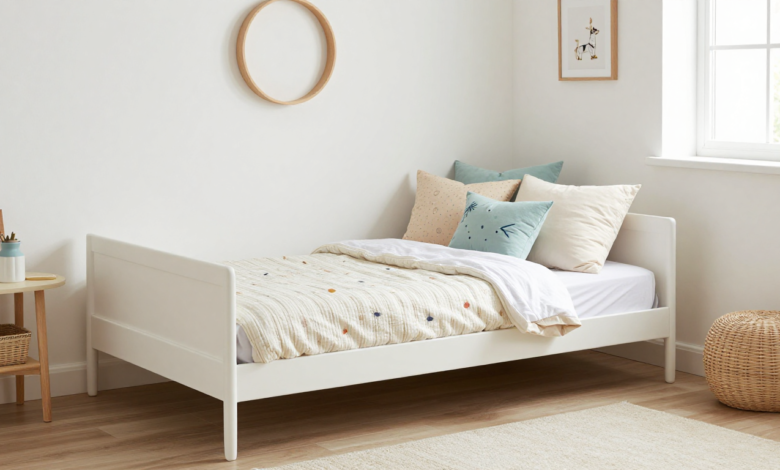
Introduction
The moment your child starts climbing out of the crib, your heart skips a beat. It is exciting. It is also terrifying. That small escape artist is telling you something loud and clear: it is time for a toddler bed.
Choosing the right toddler bed feels simple at first. You browse a few options, check the price, and assume any bed will do. But parents who have been through this transition know better. The wrong bed can disrupt sleep for weeks. The right one makes the whole process smooth and even fun for your child.
In this guide, you will find everything you need. We cover the right age to make the switch, the key safety features to check, the different types available, how to set up the room, and the mistakes most parents make without realizing it. Whether you are shopping on a tight budget or looking for a long-lasting investment, this guide has you covered.
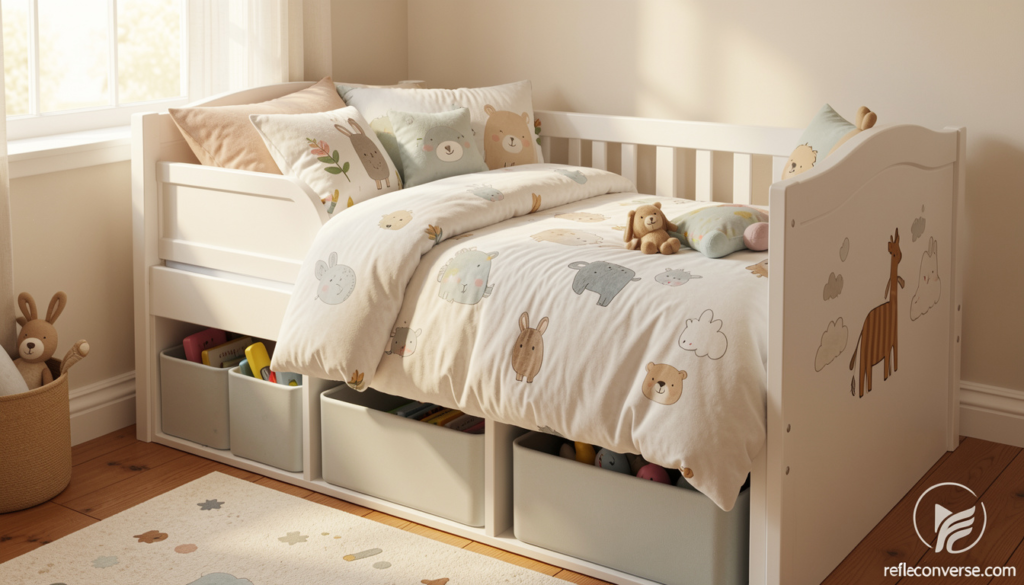
When Should You Move to a Toddler Bed?
Most parents wonder if they are moving too early or waiting too long. There is no single magic age, but there are clear signs to watch for.
The right time is usually between 18 months and 3 years. However, age alone should not be your only guide. Your child’s behavior matters more than the calendar.
Signs Your Child Is Ready
Watch for these signals:
- Your toddler climbs out of the crib regularly
- They ask about sleeping in a “big kid” bed
- They have outgrown the crib in height or weight
- You have a new baby coming and need the crib back
- Potty training has started and nighttime bathroom trips are needed
Moving too early, before 18 months, can be risky. Young toddlers do not yet understand boundaries. They may wander the room or house at night, which creates safety concerns. If your child is under 18 months and climbing out, consider a sleep sack or crib tent as a short-term solution.
Types of Toddler Beds: Which One Is Right for Your Child?
Not all toddler beds are the same. Each style has its own advantages. Knowing the difference helps you choose smarter.
Standard Toddler Bed
This is the classic option. It is low to the ground, sized for toddlers, and usually includes safety rails on the sides. It uses a standard crib mattress, which means you likely already own the right mattress. Standard toddler beds are affordable and easy to find. They work well for most families.
Convertible Crib-to-Toddler Bed
Many modern cribs convert into toddler beds by removing one side panel and adding a guardrail. If you already own a convertible crib, this is a cost-effective choice. Your child keeps the same sleeping space, which can ease the transition since the environment feels familiar.
Floor Bed or Montessori Bed
Floor beds are placed directly on the ground. They eliminate the risk of falling and encourage independence. Montessori-inspired parenting often favors this approach. Children can get in and out safely on their own. Many parents love this style because it also looks beautiful in a thoughtfully decorated room.
Themed Toddler Beds
Car beds, princess beds, castle beds, and rocket ship beds fall into this category. They are designed to excite your child about sleeping. The right theme can transform bedtime resistance into genuine enthusiasm. Just make sure the design meets safety standards and does not compromise on quality for the sake of looks.
Toddler Bunk Beds
Some toddler bunk beds exist for siblings sharing a room. These are built lower than adult bunk beds and include safety rails. Always check the age and weight recommendations carefully before purchasing.
Key Safety Features Every Toddler Bed Must Have
Safety is non-negotiable. Before you fall in love with a design or a price point, run through this checklist.
Guardrails
Guardrails prevent your child from rolling out of bed during the night. Look for rails on both sides of the bed, not just one. The gap between the rail and the mattress must be small enough that your child cannot get trapped.
According to the Consumer Product Safety Commission (CPSC), gaps larger than 3.5 inches between bed components are a serious entrapment hazard for young children. Always measure.
Low Height
The bed should sit close to the floor. A fall from a toddler bed should be minor. Beds that sit too high increase injury risk. Most standard toddler beds sit between 5 and 12 inches off the floor.
Sturdy Construction
Shake the bed before you buy it. It should feel solid, not wobbly. Check the joints and connections. Loose screws or weak joints become dangerous over time, especially with an active toddler jumping around.
Non-Toxic Materials
Toddlers chew on things. It is a fact of life. Make sure the bed uses non-toxic paint and finishes. Look for certifications like GREENGUARD Gold, which confirms the product meets strict chemical emission standards.
Smooth Edges and Surfaces
Run your hand along every edge. There should be no sharp corners, splinters, or rough patches. Rounded edges are a must for a safe toddler bed.
Choosing the Right Mattress for a Toddler Bed
The bed frame gets all the attention, but the mattress is equally important. A poor mattress affects your child’s sleep quality and spinal development.
What to Look For
Firmness: Toddler mattresses should be firm, not soft. A firm surface supports growing bones and reduces the risk of suffocation. If your hand sinks in when you press it, the mattress is too soft.
Size: Most toddler beds use a standard crib mattress, which measures 28 inches by 52 inches. Always confirm the size before purchasing separately.
Waterproof cover: Toddlers have accidents. A waterproof or water-resistant cover protects the mattress and makes cleanup easier.
Certifications: Look for CertiPUR-US certification on foam mattresses. This means the foam is made without harmful chemicals.
I always recommend buying a mattress protector on top of the mattress. It adds a layer of protection and extends the mattress life significantly.
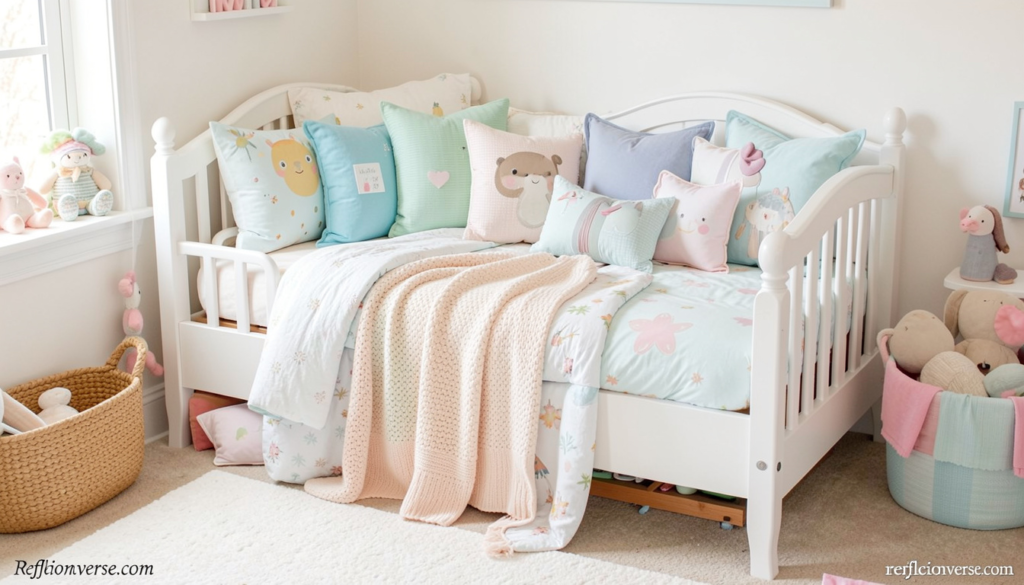
How to Make the Transition Smooth and Stress-Free
The switch to a toddler bed is a big deal in your child’s world. A thoughtful approach makes the process much easier.
Involve Your Child
Let your toddler help pick the bed if possible. Show them a few options and ask which one they like. This gives them a sense of ownership and excitement about the change.
Keep the Room Familiar
Avoid rearranging the entire bedroom at the same time. Keep the same sleep environment: the same lighting, the same sounds, the same bedtime routine. Familiarity is comforting for toddlers.
Use Transition Objects
If your child has a favorite stuffed animal or blanket, make sure it is on the new bed from day one. These objects provide security in a new situation.
Set Clear Boundaries
Explain the rules simply and clearly. “This is where you sleep. You stay in your bed until morning.” Toddlers understand more than we sometimes give them credit for. Consistent boundaries set early prevent a lot of nighttime wandering.
Celebrate the Milestone
Make it a positive experience. Talk about it as a “big kid” moment. Some parents throw a small celebration or let the child decorate their new space with stickers. A little excitement goes a long way.
Room Setup and Safety Beyond the Bed
Once the toddler bed is in place, look at the room itself. Your child can now get out of bed independently. The room needs to be safe for that freedom.
Anchor Furniture to the Wall
Bookshelves, dressers, and tall furniture must be anchored to the wall. Tip-overs cause thousands of injuries every year. Use anti-tip straps on all heavy furniture pieces.
Cover Electrical Outlets
Use outlet covers throughout the room. Once your toddler is mobile at night, they may explore curious places.
Use a Baby Gate at the Door
A gate keeps your toddler from wandering the house at night. Place it inside the doorframe so your child can call out to you but cannot leave the room unsupervised.
Check the Floor
A soft rug beside the bed cushions any falls. Remove any small objects, cords, or items that pose a choking or tripping hazard.
Use a Nightlight
A soft nightlight reduces fear of the dark. It also helps your child navigate to you or the bathroom at night without stumbling.
Common Mistakes Parents Make When Buying a Toddler Bed
Knowing what to avoid saves you time, money, and frustration.
Choosing style over safety. A gorgeous themed bed is exciting, but if it lacks proper guardrails or has sharp edges, it is the wrong choice. Safety first, always.
Buying a mattress that is too soft. Soft feels cozy for adults but is not appropriate for toddlers. Firm is the correct choice for this age group.
Moving too quickly without preparation. Dropping your child into a new bed with no transition plan often leads to resistance and disrupted sleep. Take your time.
Ignoring assembly instructions. Toddler beds require careful assembly. Loose joints or improperly attached rails create real hazards. Follow every step in the manual.
Forgetting to childproof the room. The bed is just one part of the picture. The whole room needs a safety review before your toddler sleeps there independently.
Budget vs. Investment: What Should You Actually Spend?
You do not need to spend a fortune on a toddler bed. But going too cheap can mean sacrificing safety or durability.
Budget range ($50 to $120): Basic toddler beds in this range can be safe and functional. Look for sturdy construction and proper guardrails. Check customer reviews carefully before purchasing.
Mid-range ($120 to $250): This range typically offers better materials, cleaner designs, and more thoughtful safety features. Many convertible cribs that transition to toddler beds fall here.
Premium ($250 and above): High-end toddler beds offer superior craftsmanship, better materials, and often longer usability. Some grow with your child from toddler through elementary age.
The sweet spot for most families is the mid-range. You get solid quality without overspending on a bed your child will likely use for two to four years.
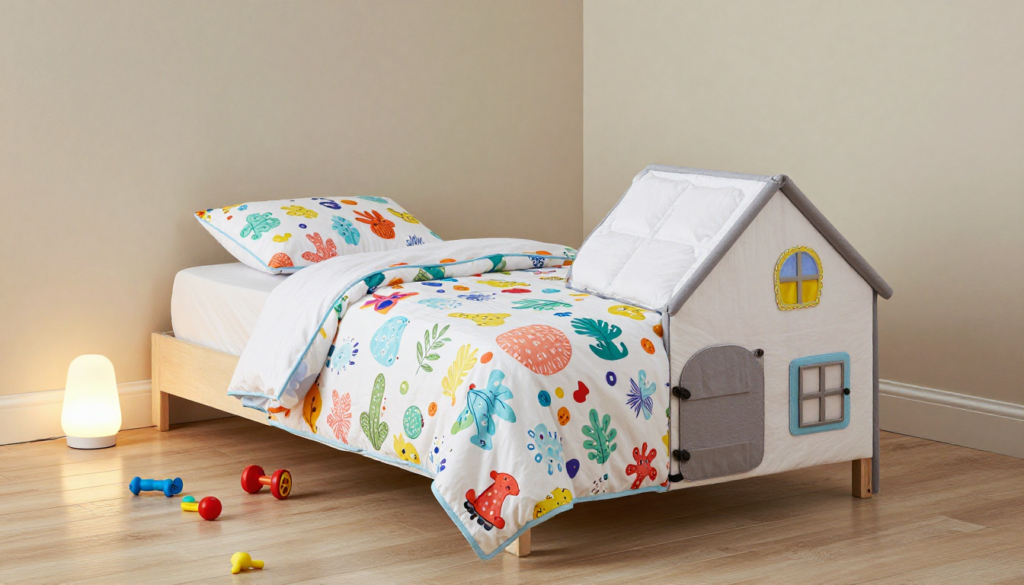
Frequently Asked Questions
At what age should a toddler move to a toddler bed? Most children make the switch between 18 months and 3 years. Watch for climbing out of the crib, outgrowing the space, or showing interest in a big kid bed as your primary signals.
Can I use a regular twin bed instead of a toddler bed? Yes, many parents skip the toddler bed and go straight to a twin. Add bed rails for safety. This can be more cost-effective since a twin mattress lasts through childhood.
How long will my child use a toddler bed? Most children use a toddler bed for two to four years. The transition to a full or twin bed usually happens around age five or six.
Do toddler beds need special mattresses? Most toddler beds use a standard crib mattress (28 x 52 inches). Confirm the dimensions before purchasing. Always choose a firm mattress for this age group.
What if my toddler keeps getting out of bed? Stay calm and consistent. Walk them back to bed every time with minimal interaction. It can take several nights, but consistency teaches the boundary. A visual cue like a toddler clock that shows when it is okay to get up can also help.
Are floor beds safe for toddlers? Yes, floor beds are very safe. They eliminate fall risk and support toddler independence. Just make sure the room is fully childproofed since your toddler can move around freely.
How do I make bedtime easier during the transition? Keep the bedtime routine identical to what you did with the crib. Familiarity reduces resistance. Add a special element like a new storybook for the new bed.
What is the weight limit on a toddler bed? Most toddler beds support between 50 and 75 pounds. Always check the manufacturer’s specification before purchasing.
Should I use a bed rail even if the toddler bed has built-in guardrails? Usually not necessary if the built-in rails are sturdy and cover enough of the bed length. Check that the rails cover at least two-thirds of the bed’s length.
Are themed toddler beds worth it? Themed beds can be a great motivator for reluctant sleepers. Just verify that the themed design still meets all safety standards. Some themed beds prioritize looks over quality.
Conclusion
Moving to a toddler bed is a genuine milestone. It marks a new chapter of independence for your child and a new phase of parenting for you. When you choose the right toddler bed with safety, comfort, and your child’s personality in mind, the transition becomes something to celebrate rather than dread.
Start with safety features. Add the right mattress. Set up the room properly. And give your child time to adjust. The first few nights might be bumpy, but with consistency and patience, most toddlers settle in quickly and start to love their new space.
Have you already made the switch? What worked best for your family? Share your experience in the comments. Other parents are reading this right now looking for exactly the kind of real-world advice that only comes from people who have been through it.
also read: reflectionverse.com
email: johanharwen@314gmail.com
Author Name: Sarah Mitchell
About the Author : Sarah Mitchell is a certified pediatric sleep consultant and mother of two. She has spent over a decade helping families navigate sleep transitions, from newborn schedules to toddler bedtime routines. Sarah writes practical, research-backed parenting content that cuts through the noise and gives parents clear, actionable guidance. When she is not writing, she is chasing her own toddlers around the house and learning new patience every single day.