Introduction
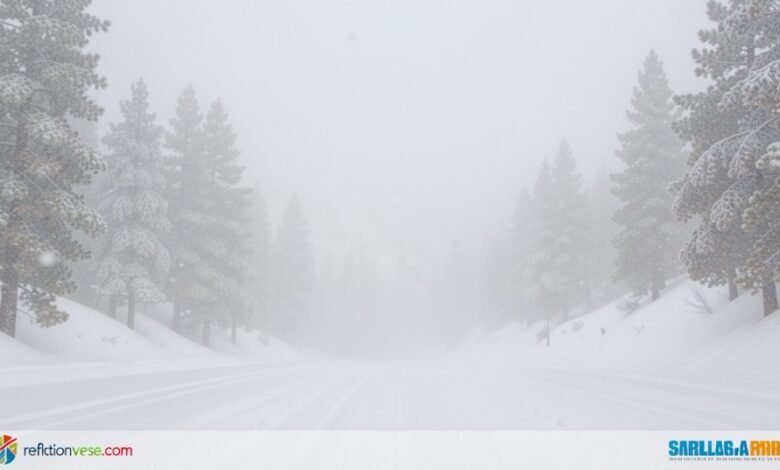
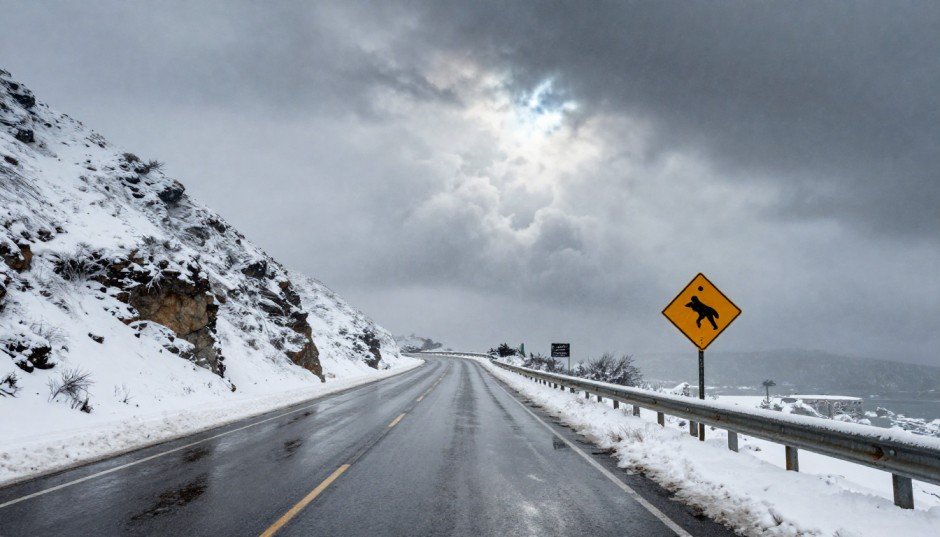
Most people picture California as sunshine, beaches, and palm trees. But if you have ever driven through the Sierra Nevada in January or watched the news after a brutal Pacific storm rolls in, you know that a snow storm in California is very real and very dangerous.
California gets some of the most intense winter storms in the entire country. These storms can dump several feet of snow in a matter of hours. They shut down major highways, strand thousands of travelers, knock out power across entire counties, and sometimes cost lives.
In this article, you will learn exactly where California snow storms hit, what causes them, how bad they can get, what you need to do to stay safe, and what to expect in the coming years as the climate shifts. Whether you live in the mountains, plan to drive through them, or just want to understand what winter really looks like in the Golden State, this guide covers everything you need to know.
What Causes a Snow Storm in California?
The Role of the Pacific Ocean and Atmospheric Rivers
California does not get snow from the same systems that pummel the Midwest or Northeast. Most of the state’s major winter storms come from the Pacific Ocean in the form of atmospheric rivers. These are long, concentrated bands of moisture in the atmosphere that carry enormous amounts of water vapor from the tropics directly into the western United States.
When an atmospheric river hits the California coast, it can drop rain at lower elevations and massive amounts of snow at higher altitudes. The Sierra Nevada mountains act like a giant wall. Warm, moist air rises rapidly, cools, and dumps precipitation in enormous quantities. A single atmospheric river event can bring 5 to 10 feet of snow to the upper Sierra Nevada within just a few days.
Cold Arctic Air Masses
Sometimes, cold Arctic air pushes down from the north and collides with California’s Mediterranean climate. When this happens alongside any available moisture, it creates the conditions for unexpected and intense snowfall even at lower elevations. This is the kind of event that can dust the hilltops above Los Angeles or bring light snow to the Bay Area’s higher neighborhoods.
La Nina and El Nino Effects
The intensity and frequency of California snow storms shift with the Pacific Ocean’s natural climate cycles. During La Nina years, the jet stream often shifts northward, sending fewer storms into central and southern California. During El Nino years, the jet stream dips south, directing more frequent and wetter storms straight into California. El Nino winters often produce the most dramatic snowfall seasons the state sees.
Where Do Snow Storms Hit Hardest in California?
The Sierra Nevada: Ground Zero for Heavy Snow
The Sierra Nevada mountain range stretches about 400 miles along California’s eastern spine. This is where snow storm California events become truly extreme. Towns and communities like Truckee, South Lake Tahoe, Mammoth Lakes, and the communities near Donner Pass receive some of the deepest seasonal snowpack in North America.
Mammoth Mountain, for example, has recorded single-season snowfall totals exceeding 600 inches. In the winter of 2022 to 2023, California experienced a historic series of atmospheric river events that buried the Sierra Nevada under record-setting snow. Some areas received more than 700 inches across the season.
Key Sierra Nevada snow zones include:
- Donner Pass (Interstate 80 corridor): One of the most frequently closed roads in California during winter storms
- South Lake Tahoe and the Tahoe Basin: A popular ski destination that also sees dangerous residential snowfall
- Mammoth Lakes and the Eastern Sierra: Consistently among the snowiest spots in the lower 48 states
- Highway 50 corridor: Another major route frequently impacted by storm closures
Northern California Mountains
The Cascade Range in Northern California, including areas near Mount Shasta and Lassen Peak, also receives significant snowfall. Shasta County and Siskiyou County can see storms that rival the Sierra Nevada in intensity. These areas are less populated but their roads and infrastructure face serious stress during major snow events.
Southern California’s Surprising Snow
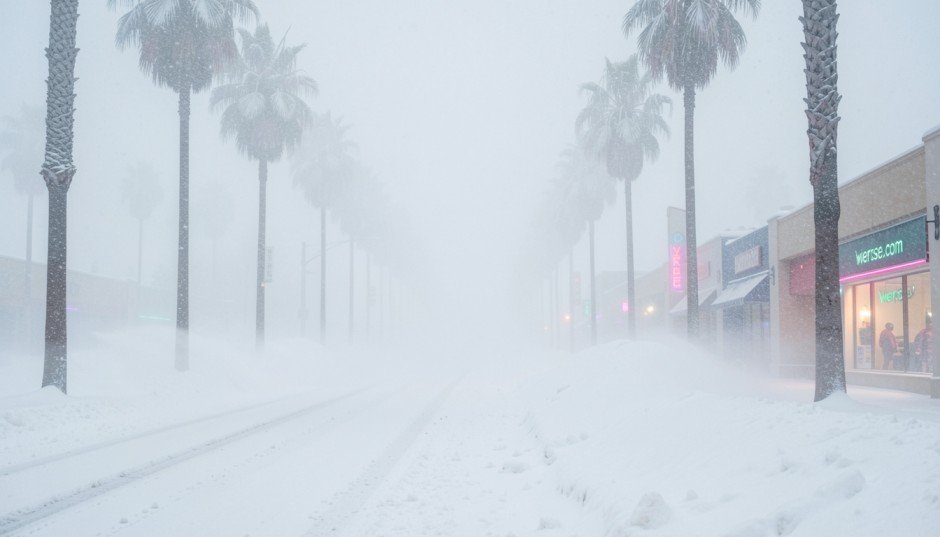
People are often shocked to learn that Southern California gets snow too. The San Bernardino Mountains, Big Bear Lake, Wrightwood, and the San Gabriel Mountains all receive substantial snowfall in major winters. Big Bear Lake sits at over 6,700 feet and regularly records snowfall totals that rival Tahoe. During strong storm years, snow can even fall in Malibu’s hills or on the outskirts of Los Angeles.
How Bad Can California Snow Storms Get? Historical Events
The 2023 Sierra Nevada Mega-Storm Season
The winter of 2022 to 2023 was historic by any measure. A relentless parade of atmospheric rivers slammed California from December through March. The Sierra Nevada snowpack reached 237 percent of its historical average by April. Donner Pass received over 50 feet of snow during the season. Interstate 80 and Highway 50 closed repeatedly for days at a time. Thousands of residents in mountain communities were stranded for days with no road access.
This was one of the most significant snow storm California seasons on record, and it reshaped how meteorologists and emergency managers think about California’s winter weather capacity.
The 1952 to 1953 Season: The Historical Benchmark
Long before modern tracking tools, California recorded a legendary snowfall season in the early 1950s. Mammoth Mountain and surrounding areas received what researchers believe were record totals. This season helped establish Mammoth as a world-class ski destination, but it also demonstrated how dangerous extended California snow events could become.
The 1982 to 1983 El Nino Winter
This was one of the most powerful El Nino events of the 20th century, and California bore the brunt of it. Widespread flooding and snowfall battered the state. The Sierra Nevada snowpack broke records, ski resorts had historic seasons, and avalanche risks surged dramatically across mountain communities.
How Snow Storms Affect Life in California
Road Closures and Travel Chaos
Interstate 80 through Donner Pass is one of the most critical freight and travel corridors in the western United States. When a snow storm in California hits this corridor, the economic ripple effects are immediate. Trucking delays, supply chain disruptions, and stranded travelers create cascading problems across the region.
Caltrans, California’s transportation agency, uses a tiered chain control system for vehicles during snow events. At its most restrictive level, only vehicles with snow chains or four-wheel drive with snow tires can travel. At the most extreme level, the road closes entirely. This happens dozens of times each winter along key mountain corridors.
Power Outages in Mountain Communities
Heavy, wet snow is extremely effective at bringing down power lines and snapping tree branches onto electrical infrastructure. Mountain communities in El Dorado County, Nevada County, and Placer County frequently deal with multi-day power outages after major storms. Backup generators, wood stoves, and emergency supply kits are standard household items in these areas.
Water Supply: A Double-Edged Benefit
One thing that makes California’s snow storms unusual compared to other states is their critical role in the water supply. The Sierra Nevada snowpack functions as a natural reservoir. As snow melts gradually through spring and summer, it feeds rivers and reservoirs that supply water to tens of millions of Californians. A big snow year often means water security for the following dry season. This is why water managers watch Sierra Nevada snowpack data as closely as farmers watch crop forecasts.
Staying Safe During a Snow Storm in California
Before the Storm Hits
Preparation is everything. If you live in or plan to travel through a mountain area, you need to act before the storm arrives, not during it.
Here is what you should do:
- Check the National Weather Service forecast for your specific region, not just general California weather
- Stock your car with chains, a shovel, blankets, food, and water before driving into mountain areas
- Keep a three-day emergency supply of food, water, medication, and batteries at home
- Sign up for emergency alerts through your county’s notification system
- Check Caltrans road conditions at quickmap.dot.ca.gov before departing
During the Storm
When a snow storm in California is actively occurring, the safest move is usually to stay off the roads entirely. If you must drive, use snow chains when required by law and travel at slow, controlled speeds. Keep your gas tank full. Let someone know your route and expected arrival time.
If you get stranded in your vehicle, stay inside. Running your engine periodically for heat is acceptable, but crack a window slightly and make sure your exhaust pipe is not blocked by snow. A blocked exhaust pipe can cause deadly carbon monoxide to build up inside the car.
After the Storm
The danger does not end when the snow stops falling. Rooftops can collapse under accumulated snow weight. Ice can form on walkways and driveways within hours of temperatures dropping. Tree branches saturated with ice and snow can fall without warning. Watch for downed power lines and never assume they are safe to approach.
Climate Change and California Snow Storms: What the Future Looks Like
Climate scientists paint a complicated picture for California’s snow future. Warmer average temperatures mean that precipitation that once fell as snow is increasingly falling as rain at lower elevations. The snowpack is melting earlier in the spring, reducing the natural water storage the state depends on.
However, warmer air holds more moisture. This means that when big storms do arrive, they can carry more water and produce more extreme snowfall at higher elevations. In other words, the trend points toward fewer snow storm California events on average, but the ones that do occur may be more intense and more damaging than historical averages would suggest.
The 2022 to 2023 season is a preview of this pattern. After several dry years that prompted severe drought warnings, an extraordinary series of storms buried the mountains in record snow within a single season. California’s water future may increasingly look like this: long dry stretches interrupted by explosive, record-breaking winter events.
Frequently Asked Questions
Does California get snow storms often? Yes, particularly in the Sierra Nevada and other mountain ranges. The frequency depends heavily on whether it is an El Nino or La Nina year, but major snow events happen every winter in mountain areas.
What is the snowiest place in California? Mammoth Mountain in the Eastern Sierra is consistently among the snowiest locations. In exceptional years, it receives more than 600 inches of snow per season.
When is snow storm season in California? The main season runs from November through April, with the peak activity typically occurring between December and March.
Which California highways close most often due to snow? Interstate 80 at Donner Pass and Highway 50 near South Lake Tahoe close most frequently. Highway 89 and State Route 88 are also commonly affected.
Do I need chains to drive in California mountains in winter? During active snow events, Caltrans can require chains or snow tires on designated roads. Always check Caltrans road conditions before departing.
Can it snow in Los Angeles? Snow rarely falls in Los Angeles itself, but the surrounding mountains including the San Gabriels and the ranges near Big Bear regularly receive significant snowfall.
How much snow did California get in 2023? The 2022 to 2023 season was historic. The Sierra Nevada snowpack reached 237 percent of its historical average. Some locations received over 700 inches during the full season.
Are California snow storms dangerous to drive through? Yes. Whiteout conditions, black ice, sudden road closures, and avalanche risks make mountain driving during California snow storms extremely hazardous. If you can avoid driving, you should.
How does a California snow storm affect the water supply? Snowpack in the Sierra Nevada is a critical water source for the state. Heavy snow winters generally improve California’s water supply heading into the dry summer and fall months.
What should I keep in my car during California winter travel? Snow chains, a shovel, an ice scraper, blankets, warm clothing, water, non-perishable snacks, a flashlight, jumper cables, and a first-aid kit are all recommended.
Conclusion
A snow storm in California is not a minor inconvenience. It is a powerful natural force that closes highways, shuts down communities, and shapes the state’s water future. At the same time, California’s winter storms are part of what makes this state’s landscape so dramatic and its ecosystems so rich.
Whether you are a mountain resident, a ski-trip planner, or simply someone who wants to understand what California winters really look like beyond the beach imagery, the takeaway is clear. Prepare early, respect the conditions, and never underestimate what the Sierra Nevada can do when a storm rolls in from the Pacific.
Have you ever been caught in a California snow storm? Share your experience or pass this article along to anyone planning a winter trip through the mountains.
Author Bio: Daniel Reeves is a California-based weather writer and outdoor travel journalist with over a decade of experience covering Western United States climate events. He has driven through Donner Pass in a blizzard more times than he can count and believes good preparation is the difference between a great story and a terrible one. He writes regularly about weather safety, adventure travel, and climate trends across the American West.
Also read reflectionverse.com
Email: johanharwen314@gmail.com
Author Name: Johan Harwen