

Introduction to Backlinks
Backlinks, also referred to as inbound links or incoming links, are hyperlinks that direct users from one website to another. They play a crucial role in search engine optimization (SEO), signaling to search engines the credibility and authority of a webpage. When high-quality websites link to a particular site, it enhances the latter’s visibility and ranking on search engine results pages (SERPs). Consequently, backlinks are an essential component of any effective digital marketing strategy.
The mechanism of backlinks is rooted in the way search engines evaluate content on the web. Search engines like Google prioritize websites that are linked by other reputable sources, considering these links as votes of confidence. A site with numerous high-quality backlinks is often perceived as more trustworthy and relevant, which can significantly affect its position in search results. This relationship underscores the significance of strategic backlink building in improving domain authority.
Moreover, backlinks serve not only to boost rankings but also to drive referral traffic. When a user clicks on a backlink that points to another site, they are directed to the linked content. This process can lead to increased visibility, user engagement, and potential conversions for the receiving website. Therefore, understanding the nature and impact of backlinks is crucial for marketers, content creators, and business owners aiming to enhance their online presence. In essence, backlinks act as a bridge connecting disparate pieces of content across the internet, making them a fundamental element in the landscape of digital marketing and SEO.
Types of Backlinks
Backlinks, essential components of any robust SEO strategy, can be categorized into four primary types: dofollow, nofollow, internal, and external links. Each type serves a unique purpose and contributes differently to the overall visibility and ranking of a website.
Dofollow backlinks are the most common type and are vital for search engine optimization. When a website links to another using a dofollow tag, it effectively tells search engines to follow that link and pass along its authority to the linked site. This transfer of authority can significantly enhance the link’s value and improve the ranking of the receiving site in search engine results pages.
In contrast, nofollow backlinks have a different implication in the realm of SEO. A nofollow link carries an HTML attribute that instructs search engines not to follow the link or pass on any link equity. While these links are often used in contexts such as blog comments or sponsored content, they still maintain value, particularly in driving traffic, and can foster relationships within the digital landscape.
Internal backlinks refer to links that originate from within the same domain pointing to other pages of that domain. They facilitate easier navigation for users and assist search engines in understanding the website’s structure. This type of linking helps distribute page authority across the entire website, enhancing the chances for other pages to rank higher in search results.
On the other hand, external backlinks, or outbound links, lead from a domain to a different site. They provide additional context for users and enhance the credibility of the content. When used effectively, external links can boost trust and authority, crucial aspects of any effective SEO strategy.
The Importance of Backlinks for SEO
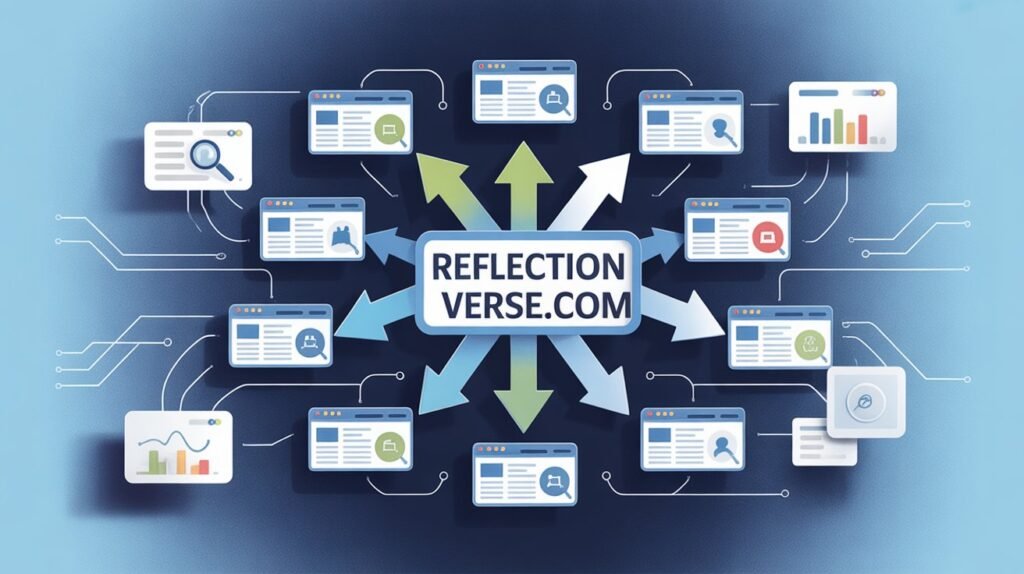
Backlinks, also known as inbound links or incoming links, are critical components of search engine optimization (SEO) strategies. They serve as pathways that lead from one web page to another, effectively linking different websites across the internet. The presence of backlinks can significantly influence the authority and trustworthiness of a website, which in turn affects its ability to rank favorably in search engine results.
When a website links to another, it essentially signals to search engines that the content is credible and valuable. This is analogous to receiving a vote of confidence, enhancing the linked website’s authority. Consequently, search engines like Google take these backlinks into account when determining the relevance and rankings of web pages. Websites with higher numbers of quality backlinks tend to achieve better visibility, thereby attracting more organic traffic.
Moreover, backlinks help with the indexing of web pages by search engines. When search engine crawlers follow these links, they are able to discover new content more efficiently, leading to improved indexing. Well-structured backlink strategies can assist websites in identifying and targeting specific niches, drawing in audiences looking for relevant content. As such, effective backlinking also plays a pivotal role in shaping a website’s reputation within its industry and among its peers.
In conclusion, the importance of backlinks in SEO cannot be overstated. Through their ability to elevate website authority, enhance page ranking, and boost overall visibility, backlinks are integral to achieving a successful online presence. Therefore, implementing a robust backlink strategy should be a top priority for anyone looking to improve their website’s SEO performance.
How Backlinks are Created
Backlinks, which are crucial for SEO and online visibility, can be created through various methods. Understanding these methods can help website owners and digital marketers implement effective strategies for acquiring valuable links. The primary categories of backlink creation include organic methods, outreach efforts, and purchased backlinks.
Organic backlinks are often viewed as the most desirable, as they are earned rather than solicited. They typically result from creating high-quality, engaging content that others find valuable enough to link to. When a website publishes informative articles, research studies, or captivating visuals, it stands a better chance of naturally attracting links from other sites, blogs, or social media. The benefit of organic backlinks lies in their authenticity; they signal to search engines that the content is worthy of citation. However, achieving such backlinks can take time and requires ongoing investment in content creation and promotion.
Outreach strategies involve actively seeking links by contacting webmasters, bloggers, or influencers to request backlinks. This method can take several forms, including guest blogging, where individuals contribute articles to other websites in exchange for a link back to their site. While outreach can be effective in building a network of backlinks, it often requires persuasive communication skills and can be time-consuming. Additionally, not every outreach effort will result in a link, necessitating persistence and adaptability in the approach.
Lastly, purchased backlinks involve acquiring links through monetary transactions. While this method can lead to rapid link acquisition, it poses significant risks. Search engines like Google discourage these practices, and websites caught engaging in link buying may face penalties that diminish their search rankings. In conclusion, understanding the pros and cons of each method for creating backlinks will enable website owners to make informed decisions about their SEO strategies.
The Role of Anchor Text in Backlinks
Anchor text refers to the clickable text in a hyperlink, and it plays a vital role in the functioning of backlinks. The words included in the anchor text give context to both users and search engines regarding the content of the linked page. Utilizing relevant anchor text not only enhances user navigation but also contributes significantly to search engine optimization (SEO) strategies.
There are several types of anchor text, including exact match, partial match, branded, generic, and naked URLs. Exact match anchor text contains the exact keyword for the page being linked to, while partial match anchor text includes a variation of that keyword. Branded anchor text incorporates the name of the brand, generic anchor text utilizes non-descriptive terms such as “click here,” and naked URLs display the full web address. Each type of anchor text holds value in its own right, affecting how search engines interpret the relevance and credibility of the linked content.
Optimizing anchor text with relevant keywords can provide considerable advantages in search rankings. When search engines crawl a webpage, they use anchor text to gauge the topic of the linked page. Therefore, keyword-rich anchor text can indicate to search engines the specific content focus. Moreover, it enhances the user experience by providing clear expectations about what to find upon clicking the link, which in turn can lead to lower bounce rates and increased engagement.
In conclusion, implementing strategically crafted anchor text in backlinks is essential for optimizing SEO efforts and enhancing overall user interaction with the content. Choosing the right type of anchor text is crucial for facilitating both effective search engine interpretation and a seamless user experience.
Backlink Quality vs. Quantity
The debate between backlink quality and quantity is a pivotal discussion in the realm of search engine optimization (SEO). While acquiring numerous backlinks may seem advantageous, the focus should primarily be on the quality of those links. High-quality backlinks are defined as links originating from authoritative sources that are relevant to the content of the linked page. In contrast, a large number of backlinks from low-quality or unrelated sites can adversely affect a website’s search engine ranking.
Metrics for evaluating backlink quality involve several key indicators. One of the foremost metrics is domain authority, which measures the credibility and influence of a website. A backlink from a site with high domain authority conveys more trust and value than several links from sites with low authority. Similarly, relevance is critical—backlinks from websites within the same niche or industry signal to search engines that the linked content is pertinent and credible, further enhancing its value.
Moreover, the context in which a backlink appears is significant. Backlinks placed within relevant content are likely to be deemed more valuable than links embedded in footers or sidebars, which are often ignored by users and may be considered as less informative by search engines. This leads to the conclusion that a strategic approach focused on securing high-quality backlinks can yield better benefits than a sheer numbers game.
In synthesis, while backlinks are essential for SEO, prioritizing quality over quantity fosters a more sustainable path towards improved visibility and ranking in search engine results. Therefore, marketers and webmasters should aim to build a robust portfolio of high-quality backlinks rather than merely increasing their total backlink count.
Tools for Analyzing Backlinks
Backlinks play a crucial role in the overall SEO strategy of a website, making it essential for webmasters to monitor and analyze their backlink profiles. Various tools are available that facilitate this analysis, providing valuable insights into the quality and quantity of backlinks. Among the most popular tools are Google Search Console, Ahrefs, and SEMrush.
Google Search Console is a free tool offered by Google, which allows website owners to monitor their site’s performance in search results. One of the key features of this tool is the ability to examine the backlinks that point to the website. By accessing the “Links” section within Google Search Console, users can find insights on which sites link to them, the most linked pages, and the total number of backlinks. This data helps webmasters identify potential areas for improvement and understand their site’s authority.
Ahrefs is another powerful tool widely used for backlink analysis. This software provides an extensive backlink database, allowing users to perform in-depth analyses of their backlinks as well as their competitors’ links. Ahrefs offers features such as the “Site Explorer,” which enables users to view the backlink profile of any website. Users can examine metrics such as domain rating, the types of backlinks, and the most valuable links in terms of referral traffic. Ahrefs also provides keyword research tools to help optimize content strategies based on backlink profiles.
SEMrush is another comprehensive digital marketing platform that offers robust backlink analysis capabilities. Users can access features such as a backlink analysis tool, which identifies the backlinks pointing to their domains and evaluates their quality. SEMrush calculates a “Trust Score” for various links, helping webmasters prioritize which backlinks are beneficial for their SEO strategies. This tool also includes competitive analysis features, allowing users to compare their backlink profiles with those of competitors.
Common Backlinking Mistakes to Avoid
When it comes to backlinking, there are several common mistakes that marketers and website owners need to avoid to ensure effective link-building strategies. One of the most prevalent pitfalls is spamming. This occurs when an individual engages in the overuse of low-quality links, often leading to penalties from search engines. Spammy backlinks can damage a website’s authority and credibility, making it crucial to establish quality over quantity in any backlink strategy.
Another common mistake involves reliance on a limited number of domains. While it might be tempting to secure multiple backlinks from a handful of trusted sites, a diverse backlink profile is far more beneficial. Search engines value a natural spectrum of sources. Therefore, acquiring backlinks from various domains not only improves a site’s visibility but also enhances its overall authority. Focusing too narrowly can signal to search engines that a site is engaging in manipulative practices.
It is equally important to maintain an updated and accurate record of your backlink profile. Failing to track backlinks can lead to missed opportunities for disavowing toxic links that may harm your site’s performance. Regular monitoring allows website owners to identify which backlinks offer value and which could potentially pose risks. Such assessments are vital to bolster your site’s search engine optimization (SEO) efforts.
Finally, neglecting the anchor text used in backlinks can also hinder a backlink strategy’s success. The anchor text not only provides context but also helps search engines understand the relevance of the content linked. Mismanagement in any of these areas can detract from the overall efficacy of a backlinking campaign, making it essential to approach link-building with a well-rounded and attentive mindset.
Conclusion and Future of Backlinks
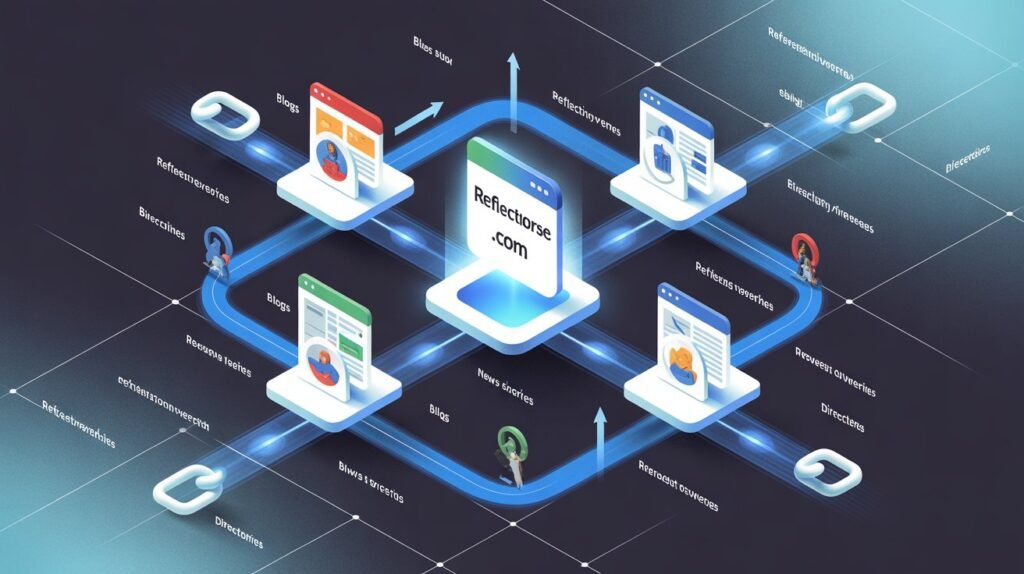
Backlinks remain a critical component of SEO strategies, serving as indicators of a website’s authority, relevance, and trustworthiness. They play a significant role in boosting organic search visibility and driving traffic, making them indispensable for website owners and digital marketers alike. As search engines continue to refine their algorithms to provide users with the most relevant content, the importance of high-quality backlinks cannot be overstated. Websites that prioritize acquiring genuine, authoritative links will likely continue to see positive outcomes in their search rankings.
Looking forward, the landscape of backlinks and link-building strategies is poised for change. As artificial intelligence and machine learning become more integrated into search engine algorithms, the evaluation criteria for backlinks may evolve. Algorithms are expected to place an increasing emphasis on the context and relevance of links rather than simply the quantity. This shift could lead to a future where content quality and user experience play a heavier role in determining backlink value.
Moreover, emerging trends such as the increasing importance of social signals and user engagement can potentially shape link-building strategies. As businesses strive to create engaging content that inspires shares and social interactions, the overlap between backlinks and social media presence may grow. Therefore, businesses should consider leveraging their digital platforms holistically to enhance their backlink profiles.
In conclusion, backlinks will remain a fundamental aspect of SEO, but their effectiveness will ultimately depend on how they align with changing best practices regarding content and user engagement. Staying updated with search engine algorithm changes and adapting to new strategies will be essential for continuing to benefit from backlinks in the ever-evolving digital landscape