
Introduction
Have you ever walked past the refrigerated section of an Asian grocery store and noticed those bright red jars of what looks like spicy cabbage? That’s kimchi, and it’s way more than just a side dish. This Korean staple has taken the world by storm, appearing on restaurant menus from Seoul to San Francisco, and for good reason.
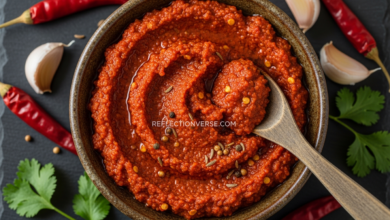
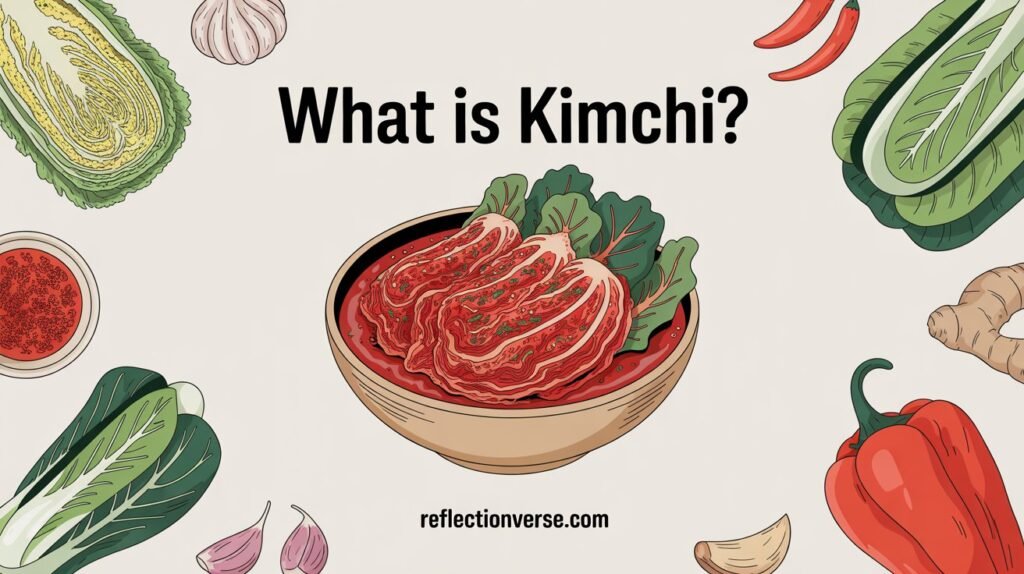
So, what is kimchi exactly? At its core, kimchi is a traditional Korean fermented vegetable dish, most commonly made with napa cabbage and Korean radishes. It’s seasoned with a mix of chili pepper flakes, garlic, ginger, and fish sauce, then left to ferment. The result is a tangy, spicy, umami-packed food that’s become a global sensation.
In this article, you’ll learn everything about kimchi: its history, how it’s made, the different varieties, its incredible health benefits, and how you can incorporate it into your daily meals. Whether you’re a curious foodie or someone looking to add more fermented foods to your diet, this guide will give you the complete picture.
The Rich History Behind Kimchi
Kimchi isn’t just food. It’s a cultural icon that represents thousands of years of Korean tradition. The practice of preserving vegetables through fermentation dates back to ancient times when refrigeration didn’t exist. Koreans needed a way to store vegetables through harsh winters, and fermentation was the perfect solution.
The earliest forms of kimchi were simple. Vegetables were salted and stored without the red chili peppers we associate with modern kimchi. That’s because chili peppers didn’t arrive in Korea until the 16th century, when Portuguese traders introduced them to Asia. Once Koreans discovered these fiery peppers, kimchi transformed into the vibrant dish we know today.
Each Korean family has its own kimchi recipe, passed down through generations. In fact, making kimchi, known as “kimjang,” is a communal event. Families gather in late autumn to prepare massive batches that will last through winter. This tradition is so important that UNESCO recognized kimjang as an Intangible Cultural Heritage of Humanity in 2013.
Regional differences also play a huge role. Northern kimchi tends to be less spicy and saltier, while southern versions pack more heat. Coastal regions might add seafood, while inland areas stick to vegetables. This diversity makes kimchi endlessly fascinating.
What Makes Kimchi So Special
When you ask “what is kimchi,” you’re really asking about a complex food that combines science, tradition, and flavor in one jar. The magic happens during fermentation. When vegetables are salted and submerged in their own juices, beneficial bacteria called lactobacilli start to multiply.
These bacteria feed on the natural sugars in the vegetables, producing lactic acid. This acid gives kimchi its characteristic tangy taste and acts as a natural preservative. The longer kimchi ferments, the more sour it becomes. Some people prefer fresh, crunchy kimchi, while others love the intense, funky flavor of well-aged batches.
The ingredient list might seem intimidating at first. Beyond cabbage, you’ll find Korean red chili flakes (gochugaru), garlic, ginger, fish sauce or salted shrimp, sugar, and salt. Some recipes include Korean pear or apple for sweetness, green onions for texture, and even carrots for color.
What sets Korean chili flakes apart is their unique flavor profile. They’re not just hot. They bring a subtle sweetness and smokiness that you won’t find in other chili powders. This is crucial because it gives kimchi its signature taste that’s impossible to replicate with substitutes.
The Incredible Health Benefits of Kimchi
Here’s where kimchi really shines. This fermented vegetable dish is a nutritional powerhouse that deserves a spot in your diet. Let me break down why health experts and nutritionists are so excited about it.
First, kimchi is loaded with probiotics. These are the good bacteria that support your gut health. A healthy gut microbiome is linked to better digestion, stronger immunity, and even improved mental health. One serving of kimchi can contain millions of beneficial bacteria, making it one of the most potent probiotic foods available.
The vegetables in kimchi are packed with vitamins and minerals. Napa cabbage is rich in vitamins A, B, and C. The garlic and ginger add anti-inflammatory compounds. The chili peppers contain capsaicin, which may boost metabolism and reduce inflammation.
Studies have shown that regular kimchi consumption may help with weight management. The combination of fiber, probiotics, and low calories makes it a smart choice for anyone watching their weight. Some research suggests it might even help lower cholesterol levels and reduce the risk of heart disease.
Kimchi is also incredibly low in calories but high in flavor. A typical serving contains only about 15 to 20 calories, yet it adds so much taste to meals that you don’t need heavy sauces or excessive salt. This makes it perfect for anyone trying to eat healthier without sacrificing flavor.
The antioxidants in kimchi fight free radicals in your body. This may help slow aging and reduce the risk of chronic diseases. Some studies have even explored kimchi’s potential anti-cancer properties, though more research is needed in this area.
Different Types of Kimchi You Should Know
When people think about what is kimchi, they usually picture the classic red cabbage variety. But there are actually over 200 different types of kimchi in Korean cuisine. Each region, season, and family has its own variations.
Baechu Kimchi is the most common type. This is the napa cabbage kimchi you’ll find in most Korean restaurants. The whole cabbage is cut into quarters, salted, and coated with the spicy red paste. It’s crunchy, spicy, and perfect as a side dish.
Kkakdugi uses Korean radish cut into cubes. It’s crunchier than cabbage kimchi and has a slightly different flavor profile. The radish absorbs the seasoning beautifully, creating a refreshing, crisp texture that pairs wonderfully with rich dishes.
Oi Sobagi is cucumber kimchi, often served in summer. The cucumbers are scored and stuffed with the spicy mixture. They don’t ferment as long as cabbage kimchi, so they stay crisp and fresh. This variety is incredibly refreshing on hot days.
Baek Kimchi is white kimchi, made without chili peppers. It’s milder and often preferred by children or those who can’t handle spicy food. The flavor comes from garlic, ginger, and sometimes fruit like pear or apple.
Dongchimi is a watery radish kimchi that’s more like a soup. It’s not spicy at all and is incredibly refreshing. Koreans often drink the liquid as a palate cleanser or digestive aid.
Yeolmu Kimchi uses young summer radish greens. It’s light, refreshing, and perfect for warm weather. The tender greens provide a different texture than the usual crunchy vegetables.
How Kimchi Is Made
Understanding how kimchi is made helps you appreciate what goes into each jar. The process requires patience, but it’s not as complicated as you might think. Many people make kimchi at home once they understand the basic steps.
The first step is preparing the vegetables. For cabbage kimchi, you’ll cut the cabbage into quarters or halves, then soak it in salted water. This step is crucial. The salt draws out moisture and starts breaking down the cell walls, making the cabbage tender and ready to absorb flavors.
After several hours of soaking, you rinse the cabbage thoroughly to remove excess salt. Then comes the fun part: making the spice paste. You’ll blend or mix together chili flakes, garlic, ginger, fish sauce, sugar, and sometimes rice flour paste. The rice paste helps the seasonings stick to the vegetables and feeds the fermentation process.
Some recipes include salted shrimp or fermented fish sauce for that deep umami flavor. This might sound unusual, but it’s what gives kimchi its complex, savory taste. Vegetarian versions skip these ingredients and use soy sauce or miso instead.
You’ll coat every leaf of cabbage with this spice mixture, making sure it gets into all the crevices. Then you pack it tightly into jars or containers, pressing down to remove air bubbles. The kimchi sits at room temperature for a day or two to kickstart fermentation, then moves to the refrigerator.
During fermentation, you’ll notice bubbles forming. This is completely normal. The bacteria are doing their job, creating those beneficial probiotics and developing complex flavors. The kimchi will continue to ferment slowly in the refrigerator, becoming tangier over time.
Ways to Enjoy Kimchi in Your Meals
Now that you know what is kimchi and how it’s made, let’s talk about eating it. Kimchi is incredibly versatile and works in far more dishes than you might expect.
The traditional way is as banchan, the small side dishes served with Korean meals. A little kimchi alongside rice and grilled meat is classic and delicious. The spicy, tangy flavor cuts through rich foods beautifully.
Kimchi fried rice is a fantastic way to use older, more fermented kimchi. You chop the kimchi, stir-fry it with rice, vegetables, and maybe an egg on top. It’s quick, satisfying, and packed with flavor. I’ve made this countless times when I needed a fast dinner.
Kimchi jjigae, or kimchi stew, is Korean comfort food at its finest. You simmer kimchi with pork, tofu, and vegetables in a spicy broth. The fermented kimchi adds incredible depth to the soup. It’s perfect for cold days or when you’re feeling under the weather.
But kimchi isn’t just for Korean food. You can add it to grilled cheese sandwiches for a spicy kick. Throw it on tacos or burgers for extra flavor. Mix it into scrambled eggs or omelets. Top your pizza with it before baking. The possibilities are genuinely endless.
Kimchi also makes a great addition to grain bowls. Layer it with quinoa or brown rice, roasted vegetables, avocado, and a protein of your choice. The tangy kimchi brightens the whole dish and adds probiotics to your meal.
Buying and Storing Kimchi
If you’re not ready to make kimchi at home, buying it is easy. Most grocery stores now carry at least one brand of kimchi, usually in the refrigerated section near other international foods. Asian supermarkets will have the widest selection.
When shopping for kimchi, check the ingredients list. Authentic kimchi should have recognizable ingredients like cabbage, chili flakes, garlic, and ginger. Avoid brands with excessive preservatives or artificial colors. The best kimchi relies on fermentation for preservation.
Fresh kimchi will be crunchy and bright red. As it ages, it becomes softer and the flavor intensifies. Some people prefer young kimchi, while others love the funky, sour taste of well-aged batches. You’ll need to experiment to find your preference.
Store kimchi in the refrigerator in an airtight container. The cold temperature slows fermentation but doesn’t stop it completely. Your kimchi will continue to develop flavor over weeks and months. Just make sure the vegetables stay submerged in their liquid to prevent mold.
You might notice that your kimchi bubbles or fizzes when you open the jar. This is normal and shows that active fermentation is happening. If you see any mold on the surface, simply remove it. As long as the kimchi smells and tastes right, it’s safe to eat.
An unopened jar of kimchi can last several months in the refrigerator. Once opened, it’s best to consume it within a few weeks, though properly stored kimchi can last much longer. The flavor will just become more intense and sour over time.
Common Misconceptions About Kimchi
Despite kimchi’s growing popularity, several myths and misconceptions persist. Let’s clear up some common confusion about what is kimchi and what it isn’t.
Some people think all kimchi is extremely spicy. While many varieties do have heat, not all kimchi will set your mouth on fire. White kimchi has no chili peppers at all. Even red kimchi varies in spiciness depending on how much chili is used. You can absolutely find milder versions.
Another misconception is that kimchi smells bad. Yes, fermented foods have a distinct aroma, and kimchi is no exception. But “bad” is subjective. The smell is strong and pungent, but to kimchi lovers, it’s appetizing. It’s similar to how cheese lovers appreciate blue cheese even though others find it off-putting.
Some people worry about the sodium content in kimchi. While kimchi does contain salt, a typical serving provides less sodium than many processed snacks. The fermentation process actually reduces the salt content over time. Plus, the health benefits often outweigh the sodium concerns for most people.
There’s also confusion about whether kimchi needs to be cooked. You can eat kimchi straight from the jar, and many people do. However, cooking kimchi changes its character, making it milder and softer. Both raw and cooked kimchi have their place in Korean cuisine.
Finally, some think making kimchi is incredibly difficult. While it does require time and specific ingredients, the actual process is straightforward. Thousands of families make kimchi at home with no special equipment. If you can follow a recipe, you can make kimchi.
Kimchi Around the World
Kimchi has transcended its Korean origins to become a global phenomenon. You’ll find it in fusion restaurants, food trucks, and home kitchens worldwide. This spread has led to creative interpretations and innovations.
In the United States, kimchi has become a trendy ingredient among chefs and home cooks. It appears in unexpected places like kimchi quesadillas, kimchi mac and cheese, and even kimchi bloody marys. These fusion creations might make Korean grandmothers raise an eyebrow, but they show kimchi’s versatility.
Health-conscious communities have embraced kimchi for its probiotic benefits. It’s become a staple in the wellness world, recommended by nutritionists and featured in articles about gut health. This has introduced kimchi to people who might never have tried Korean food otherwise.
The fermentation movement has also boosted kimchi’s popularity. As more people explore fermenting at home, kimchi becomes a natural next step after sauerkraut or pickles. Workshops and online classes teaching kimchi-making have sprouted up everywhere.
Even fast-food chains have gotten in on the trend. You can now find kimchi burgers, kimchi fries, and kimchi-topped dishes at various restaurants. This mainstream acceptance shows how far kimchi has come from its traditional roots.
Conclusion
So, what is kimchi? It’s a fermented vegetable dish with thousands of years of history, packed with probiotics, vitamins, and incredible flavor. It’s a cultural treasure that represents Korean tradition and ingenuity. It’s a versatile ingredient that works in countless dishes, from traditional Korean meals to modern fusion creations.
Whether you’re drawn to kimchi for its health benefits, its complex flavors, or simple curiosity, there’s never been a better time to explore this amazing food. Start with a jar from your local grocery store, try it in different dishes, and see how it transforms your meals. You might just discover your new favorite ingredient.
Have you tried kimchi yet? What’s your favorite way to eat it? Share your experiences and let others know what you think of this incredible Korean staple.
FAQs
What does kimchi taste like? Kimchi has a complex flavor profile that combines spicy, sour, salty, and umami tastes. Fresh kimchi is crunchy and mildly tangy with a spicy kick. As it ferments, it becomes more sour and intense. The garlic and ginger add aromatic notes that round out the flavor.
Is kimchi healthy for you? Yes, kimchi is extremely healthy. It’s low in calories, high in fiber, and packed with vitamins A, B, and C. The probiotics from fermentation support gut health and immunity. Regular consumption may help with digestion, weight management, and reducing inflammation.
Can vegetarians eat kimchi? Traditional kimchi often contains fish sauce or salted shrimp, making it non-vegetarian. However, many brands now offer vegetarian and vegan versions that use soy sauce or other plant-based seasonings instead. Always check the ingredients if you’re following a vegetarian diet.
How long does kimchi last in the refrigerator? Properly stored kimchi can last several months in the refrigerator. It continues to ferment slowly, becoming more sour over time. As long as it stays submerged in its liquid and shows no signs of mold, it’s safe to eat even after several months.
Can I make kimchi at home? Absolutely! Making kimchi at home is straightforward once you have the right ingredients. You’ll need napa cabbage, Korean chili flakes, garlic, ginger, salt, and fish sauce or a vegetarian alternative. The process takes time but doesn’t require special equipment.
Why is kimchi so popular? Kimchi’s popularity stems from its unique flavor, health benefits, and versatility. The fermentation trend has introduced it to new audiences, while Korean culture’s global influence has made Korean food more accessible. Its probiotic content appeals to health-conscious consumers.
Does kimchi need to be refrigerated? Yes, kimchi should be refrigerated after the initial fermentation period. The cold temperature slows fermentation, keeping the kimchi from becoming too sour too quickly. Unrefrigerated kimchi will continue to ferment rapidly and may become too strong to enjoy.
What’s the difference between fresh and fermented kimchi? Fresh kimchi is crunchy, mildly flavored, and hasn’t undergone much fermentation. Fermented kimchi is softer, tangier, and has more developed flavors. Fresh kimchi is better for eating raw, while fermented kimchi works well in cooked dishes like stews and fried rice.
Also read reflectionverse.com