

Introduction
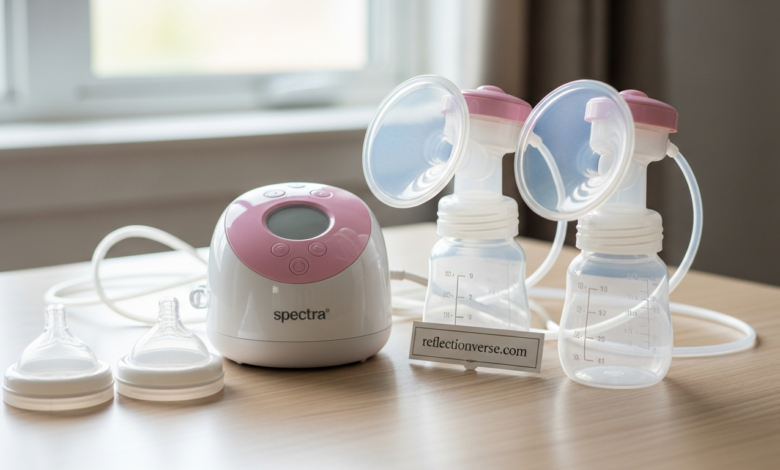
When you’re navigating the world of breastfeeding, finding the right breast pump can feel overwhelming. You want something efficient, comfortable, and reliable. That’s where the Spectra breast pump comes into the picture. This hospital-grade pump has earned a reputation among mothers for its quiet operation and effective milk expression.
I remember talking to new moms in parenting groups, and the Spectra name kept coming up. Women praised its gentle suction and customizable settings. Whether you’re exclusively pumping or building a freezer stash, understanding what makes this pump special can help you decide if it’s right for you.
In this guide, we’ll explore everything about the Spectra breast pump. You’ll learn about its key features, how it compares to other pumps, and practical tips for getting the best results. Let’s dive into why so many mothers trust this pump for their breastfeeding journey.
What Makes the Spectra Breast Pump Stand Out
The Spectra breast pump has become a household name in the pumping community. But what exactly sets it apart from dozens of other options on the market?
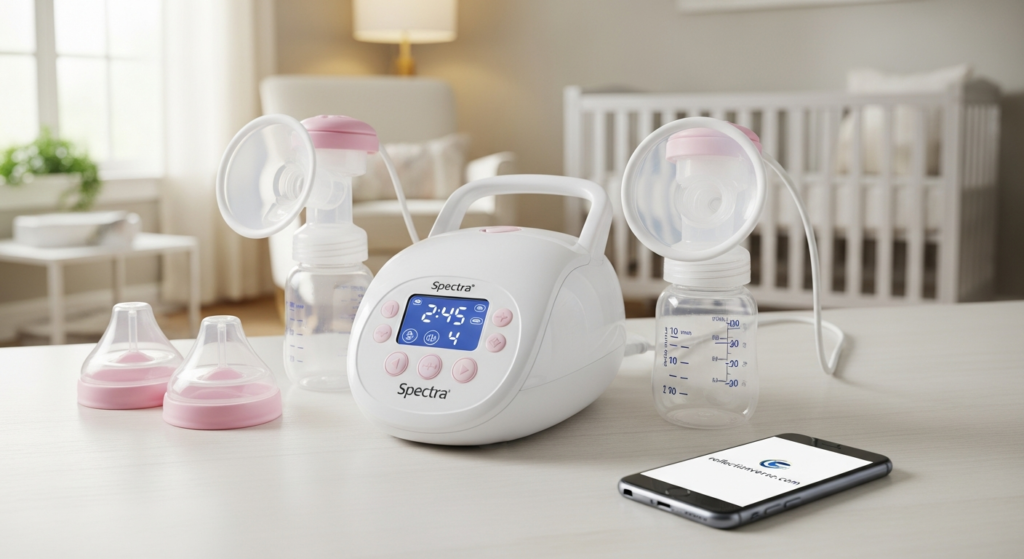
First, it’s a closed system pump. This means there’s a barrier preventing milk from entering the tubing and motor. You get a more hygienic experience with less risk of mold or contamination. This feature alone makes it a safer choice compared to open system pumps.
Second, the suction strength is impressive without being painful. The pump offers multiple suction levels and speed settings. You can start gentle and gradually increase as your milk begins flowing. This customization helps prevent nipple damage and makes pumping more comfortable overall.
Third, the noise level is remarkably low. Many mothers pump while their babies sleep or while working in shared spaces. The Spectra operates quietly enough that you won’t wake your little one or draw attention in an office setting.
Finally, the price point is reasonable for a hospital-grade pump. While not the cheapest option available, it offers professional-level performance without the premium price tag of some competitors.
Different Spectra Models Explained
Spectra offers several models, and knowing the differences helps you choose the right one for your lifestyle.
Spectra S1 Plus
This is the portable model with a rechargeable battery. You can pump anywhere without being tethered to an outlet. The battery lasts several pumping sessions on a single charge. It’s perfect if you’re constantly on the go or don’t always have access to power outlets.
The S1 includes a night light feature. This comes in handy during those middle-of-the-night pumping sessions when you don’t want to turn on bright lights. You can see what you’re doing without fully waking yourself up.
Spectra S2 Plus
The S2 is essentially the same pump as the S1 but without the battery. It must be plugged into a wall outlet to operate. This makes it slightly lighter and less expensive than the S1.
If you primarily pump at home or in consistent locations with outlets, the S2 is an excellent choice. You get the same performance as the S1 at a lower price point.
Spectra 9 Plus
This is Spectra’s newer, compact portable model. It’s significantly smaller and lighter than both the S1 and S2. The rechargeable battery makes it ideal for travel or discreet pumping.
However, the smaller size means a less powerful motor. It works well for maintaining supply but might not be as effective for building supply initially. Some mothers use this as a secondary pump for convenience.
Spectra Baby USA vs. International Models
Spectra pumps sold in the United States meet FDA standards. International versions might have different specifications or features. Always verify you’re purchasing a USA model if you’re in America to ensure warranty coverage and proper voltage compatibility.
Key Features That Make Pumping Easier
Understanding the Spectra breast pump features helps you maximize your pumping efficiency and comfort.
Adjustable Suction and Speed
The pump offers variable suction levels and two-speed modes: expression and letdown. The letdown mode mimics your baby’s initial rapid sucking to trigger milk release. Once your milk flows, you switch to expression mode for deeper, slower suction.
You control both elements independently. Some mothers need high speed with medium suction. Others prefer low speed with stronger suction. This flexibility means you can find your perfect combination.
Massage Mode
The massage cushions included with Spectra pumps enhance comfort. They provide gentle stimulation that encourages letdown. Many mothers report faster letdown times when using these cushions compared to standard flanges.
The soft silicone feels more natural against your skin. It reduces friction and irritation during longer pumping sessions.
Backflow Protection
The closed system design prevents milk from traveling back into the tubing. This protects the motor from damage and prevents bacterial growth. You don’t need to worry about cleaning tubes or replacing them due to milk residue.
This feature also makes the pump more durable. Without milk exposure, the motor maintains consistent performance over time.
Digital Display
The clear LCD screen shows your current settings at a glance. You can see exactly which suction level and speed you’re using. This helps you remember your preferred settings for future sessions.
The display also includes a timer. You can track how long you’ve been pumping without checking your phone or watch constantly.
How to Use Your Spectra Breast Pump Effectively
Getting the most from your pump requires proper setup and technique. Here’s what you need to know.
Finding the Right Flange Size
Flange fit is crucial for comfort and efficiency. The flange is the funnel-shaped piece that fits over your nipple. If it’s too small, your nipple rubs against the sides painfully. If it’s too large, too much areola gets pulled in, reducing milk output.
Measure your nipple diameter after pumping when it’s at its largest. Your nipple should move freely in the tunnel without excessive areola tissue being pulled through. There should be a few millimeters of space around your nipple.
Spectra pumps come with standard 24mm flanges. Many mothers need different sizes. You can purchase additional flanges in various sizes separately. Some women even need different sizes for each breast.
Optimal Pumping Position
Sit comfortably with your back supported. Lean slightly forward so gravity assists milk flow. Don’t hunch over your pump as this can restrict milk ducts and cause back pain.
Use pillows to support your arms if needed. Pumping sessions can last 15 to 30 minutes. Maintaining a comfortable position prevents fatigue and tension.
Stay relaxed throughout the session. Stress inhibits oxytocin release, which triggers letdown. Try looking at photos of your baby, listening to calming music, or practicing deep breathing.
Creating an Effective Pumping Schedule
For building supply, pump as often as your baby would nurse, typically every two to three hours. This frequent stimulation signals your body to produce more milk.
If you’re maintaining supply while at work, pump during times when you’d normally feed your baby. Most working mothers pump two to three times during an eight-hour shift.
Power pumping can boost supply when needed. Pump for 20 minutes, rest for 10 minutes, pump for 10 minutes, rest for 10 minutes, then pump for 10 minutes. Do this once daily for a few days to mimic cluster feeding.
Massage and Hands-On Pumping
Breast massage before and during pumping increases milk output. Gently massage from the outer breast toward the nipple before starting. This helps trigger letdown.
During pumping, use breast compressions. When milk flow slows, compress your breast gently like squeezing water from a sponge. This technique can increase milk volume by 20 to 30 percent.
Cleaning and Maintaining Your Pump
Proper care extends your pump’s life and keeps it hygienic.
After Each Use
Disassemble all parts that touched milk. Rinse them with cold water first to prevent protein buildup. Then wash with hot, soapy water or place them in the dishwasher if they’re dishwasher safe.
Air dry all parts completely on a clean towel or drying rack. Don’t use dish towels as they can harbor bacteria. Make sure everything is completely dry before reassembling or storing.
The Spectra pump parts are BPA-free and generally dishwasher safe on the top rack. Check your manual for specific cleaning instructions for your model.
Daily Sanitizing
Once daily, sanitize your pump parts. You can boil them for five minutes, use a steam sanitizer, or run them through a sanitizing dishwasher cycle. This extra step eliminates bacteria that regular washing might miss.
Always inspect parts for wear and tear. Replace valves every four to six weeks as they lose elasticity over time. Worn valves reduce suction effectiveness and milk output.
Storing Between Sessions
Some mothers practice refrigerator storage between pumping sessions during the day. Place all parts in a clean, sealed container or bag in the refrigerator. The cold temperature slows bacterial growth.
When ready for your next session, use the parts directly from the refrigerator. You must still wash and sanitize everything at the end of the day. This method only works for parts that will be used again within four hours.
Motor Care
Wipe the exterior of the motor unit with a damp cloth. Never submerge the motor in water or put it in the dishwasher. Keep it in a clean, dry location when not in use.
Check the tubing periodically for condensation or milk. If moisture appears, run the pump for a few minutes without attachments to dry it out. Replace tubing if you see mold or milk inside, though the closed system design makes this rare.
Troubleshooting Common Issues
Even the best pumps occasionally present challenges. Here’s how to solve common problems.
Low Milk Output
If you’re not expressing much milk, check your flange size first. Incorrect fit is the most common cause of low output. Also verify that all parts are assembled correctly and valves are properly positioned.
Ensure you’re well hydrated and eating enough calories. Milk production requires significant energy and fluid intake. Stress and fatigue also impact supply, so prioritize rest when possible.
Try pumping more frequently for a few days. Your body responds to increased demand by producing more milk. Be patient as it can take several days to see results.
Painful Pumping
Pain during pumping isn’t normal and usually indicates a problem. Check flange size again as this is often the culprit. Lower your suction strength even if it means pumping slightly longer.
Ensure you’re using massage cushions or inserts. These reduce friction and make pumping gentler. Apply lanolin or coconut oil to your nipples before pumping if you’re experiencing dryness.
If pain persists, consult a lactation consultant. You might have an underlying issue like nipple damage or blocked ducts that needs professional attention.
Pump Not Turning On
Verify the power cord is securely connected to both the outlet and pump. For the S1 model, ensure the battery is charged. Try a different outlet to rule out electrical issues.
Check that the power button is being held long enough. Some models require pressing and holding for a few seconds rather than a quick press.
If the pump still won’t start, contact Spectra customer service. There might be a motor issue covered under warranty.
Loss of Suction
Weak suction usually stems from loose connections or worn parts. Check that all pieces are firmly attached. Look for cracks or damage in flanges, valves, or bottles.
Valves are small but crucial components. They create the suction needed to express milk. Replace them regularly as they wear out and lose effectiveness.
Ensure the backflow protectors are properly seated. If these small silicone pieces aren’t positioned correctly, suction won’t build properly.
Comparing Spectra to Other Popular Pumps
Understanding how Spectra stacks up against competitors helps you make an informed choice.
Spectra vs. Medela
Medela is probably Spectra’s biggest competitor. The Medela Pump in Style is similarly priced and popular. However, Medela uses an open system design where milk can enter the tubing.
Spectra pumps are generally quieter than Medela models. Many mothers find the Spectra more comfortable due to its gentler suction pattern. Medela pumps have a faster cycling speed that some mothers prefer.
Replacement parts for both brands are widely available. Medela has been around longer and has more accessory options. However, Spectra’s closed system means fewer parts to replace over time.
Spectra vs. Elvie
The Elvie is a wearable, wireless pump that fits inside your bra. It offers incredible freedom and discretion. You can pump while walking around or working without anyone knowing.
However, wearable pumps are significantly more expensive than the Spectra. The smaller motors often don’t empty breasts as effectively. Many mothers use both styles depending on the situation.
If efficiency and milk output are your priorities, Spectra is the better choice. If discretion and mobility matter most, consider a wearable option.
Spectra vs. Willow
Like the Elvie, the Willow is a wearable pump. It’s even more expensive than most breast pumps but offers ultimate convenience. The technology is impressive with smart tracking features.
The Spectra breast pump provides better value for most mothers. You get hospital-grade performance at a fraction of the cost. Unless you need to pump while being extremely active, Spectra’s quality and price point are hard to beat.
Insurance Coverage and Where to Buy
Most insurance plans cover breast pumps under the Affordable Care Act.
Getting Coverage
Contact your insurance provider during pregnancy to understand your coverage. They’ll explain which pumps are covered and how to obtain one. Many companies work with durable medical equipment suppliers who handle the process.
You typically need a prescription from your healthcare provider. Some insurance plans let you choose any pump, while others limit you to specific brands or suppliers.
Order your pump before delivery but not too early. Most insurance companies cover pumps only during pregnancy or shortly after birth. Timing your order correctly ensures you receive it when needed.
Purchasing Options
If buying out of pocket, several retailers carry Spectra pumps. Amazon, Target, and Buy Buy Baby regularly stock them. Prices vary, so compare before purchasing.
Spectra’s official website offers pumps and accessories. Buying directly ensures you receive an authentic product with full warranty coverage. Be cautious of third-party sellers offering suspiciously low prices as they might sell counterfeit products.
Used pumps are available but come with risks. The FDA recommends against sharing pumps due to contamination concerns. Even closed system pumps can harbor bacteria in places you can’t see or clean.
Tips from Experienced Pumping Mothers
Real mothers who have used the Spectra breast pump share valuable insights.
Start Lower Than You Think
Many new pumpers assume maximum suction means maximum milk. This isn’t true and can cause damage. Start with lower settings and gradually increase only if comfortable. Most mothers find their sweet spot at moderate levels.
Your comfort directly impacts milk letdown. If pumping hurts, your body works against you. Pain triggers stress hormones that inhibit oxytocin, the hormone responsible for milk release.
Pump Both Breasts Simultaneously
Double pumping saves time and may increase milk production. When both breasts are stimulated together, prolactin levels rise higher than single-side pumping. Higher prolactin means more milk production.
It also helps balance supply between breasts. Many mothers produce different amounts from each side. Simultaneous pumping encourages more even production over time.
Keep Spare Parts Available
Having backup parts prevents missed pumping sessions. Valves break, flanges crack, and parts get misplaced. A spare set keeps you going when problems arise.
This is especially important for working mothers. Missing a pumping session at work because of equipment failure can lead to engorgement and decreased supply.
Create a Pumping Station
Set up a dedicated space with everything you need. Include your pump, storage bags or bottles, nursing pads, water, snacks, and phone charger. Having supplies organized reduces stress and makes sessions more efficient.
If pumping at work, keep a complete set of supplies there. This eliminates the need to pack and unpack daily. Just bring home your expressed milk and pump parts for cleaning.
Maximizing Milk Production with Your Spectra
Getting optimal output requires more than just having the right equipment.
Timing Matters
Milk production typically peaks in the early morning. Many mothers get more milk from their first pump session of the day. If building a freezer stash, consider adding an early morning pump even if baby isn’t feeding.
Your body produces milk based on demand. Frequent removal signals your body to make more. If supply is low, pump more often rather than pumping longer at each session.
Nutrition and Hydration
Breastfeeding and pumping require extra calories and fluids. Aim for an additional 300 to 500 calories daily. Drink water throughout the day, keeping a bottle handy during pumping sessions.
Some foods are thought to boost supply, like oats, flaxseed, and fenugreek. While scientific evidence is limited, many mothers report positive results. There’s no harm in trying lactation cookies or teas if you enjoy them.
Mental and Emotional Health
Stress significantly impacts milk supply. Cortisol, the stress hormone, interferes with oxytocin release. Finding ways to relax during pumping helps trigger letdown.
Some mothers watch videos of their babies. Others listen to guided meditations or favorite music. Find what helps you feel calm and happy, then incorporate it into your pumping routine.
Don’t let pumping output define your worth as a mother. Some women’s bodies respond better to babies than pumps. Lower pump output doesn’t necessarily mean low supply or poor parenting.
When to Seek Professional Help
Sometimes you need expert guidance beyond what an article can provide.
Lactation Consultants
These certified professionals specialize in breastfeeding challenges. They can assess your pumping technique, flange fit, and overall breastfeeding relationship. Many insurance plans cover lactation consultant visits.
Seek help if you’re experiencing pain, not getting enough milk, or feeling overwhelmed. Early intervention prevents small problems from becoming major obstacles. Many hospitals offer free or low-cost consultancy for recent patients.
Your Healthcare Provider
Discuss any concerns with your doctor or midwife. Certain medical conditions affect milk production. Thyroid problems, PCOS, and diabetes can all impact supply. Addressing underlying health issues often resolves pumping challenges.
Some medications reduce milk production. If you started a new medication and noticed decreased output, mention this to your provider. Alternative medications might be available.
Support Groups
Connecting with other pumping mothers provides emotional support and practical tips. Online forums, Facebook groups, and local meetups offer community. Hearing how others overcame similar challenges can be incredibly encouraging.
La Leche League and similar organizations host meetings where mothers share experiences. These groups welcome questions and provide judgment-free support for your feeding journey.
Conclusion
The Spectra breast pump offers an excellent combination of performance, comfort, and value. Its closed system design, customizable settings, and quiet operation make it a favorite among nursing mothers. Whether you choose the portable S1, the economical S2, or the compact 9 Plus, you’re getting a reliable tool for your breastfeeding journey.
Remember that every mother’s experience is unique. What works perfectly for one person might need adjustment for another. Be patient with yourself as you learn your pump and establish your routine. With the right flange size, comfortable settings, and consistent practice, the Spectra breast pump can help you reach your breastfeeding goals.
Are you currently using a Spectra pump, or are you considering one? What questions do you still have about making pumping work for your lifestyle?
Frequently Asked Questions
How often should I replace Spectra pump parts?
Replace valves every four to six weeks as they lose suction effectiveness over time. Flanges and bottles can last much longer if they remain undamaged. Inspect all parts regularly for cracks, tears, or discoloration. Replace immediately if you notice any wear.
Can I use my Spectra pump for multiple children?
Yes, Spectra’s closed system design makes it safe to reuse for future children. The barrier prevents milk from contaminating the motor. Always use new personal use parts like flanges, valves, and tubing for each child to maintain hygiene.
Why is my Spectra pump making unusual noises?
Check that all parts are assembled correctly first. Loose connections can cause rattling or whistling sounds. Ensure valves are properly positioned. If noise persists and seems to come from the motor, contact customer service as there might be a mechanical issue.
Does the Spectra work with different bottle brands?
Spectra bottles have a standard neck size that fits most wide-neck bottle systems. You can purchase adapters for other brands. Many mothers successfully use Spectra with bottles from Avent, Dr. Brown’s, and Comotomo.
How long does the S1 battery last per charge?
A fully charged S1 battery typically provides three to six pumping sessions depending on your settings and session length. Higher suction levels drain the battery faster. Many mothers charge overnight and find it lasts throughout their workday.
Is the Spectra pump covered by insurance?
Most insurance plans in the United States cover breast pumps including Spectra models. Contact your insurance provider to verify coverage and ordering procedures. You typically need a prescription from your healthcare provider.
Can I pump directly into freezer bags?
Spectra doesn’t make adapters for pumping directly into storage bags. You need to pump into bottles first, then transfer to bags. Some third-party adapters claim to work with Spectra, but results vary. Transferring milk adds a step but ensures proper collection.
What if I accidentally get water in the motor?
Turn off and unplug the pump immediately. Don’t attempt to use it until completely dry. Contact Spectra customer service for guidance. Depending on the extent of water exposure, the motor might need professional servicing or replacement.
How do I know if my pump is still working correctly?
Test suction by covering the flange opening with your palm. You should feel consistent, strong suction. If suction seems weak, check all connections and replace worn valves. Decreased milk output despite proper technique might indicate reduced pump efficiency.
Can I travel internationally with my Spectra pump?
The S1 and 9 Plus models work well for international travel since they have rechargeable batteries. The S2 requires an outlet adapter for countries with different plug types. Check voltage compatibility as Spectra pumps are designed for standard US electrical systems at 120V.
Also read reflectionverse.com
